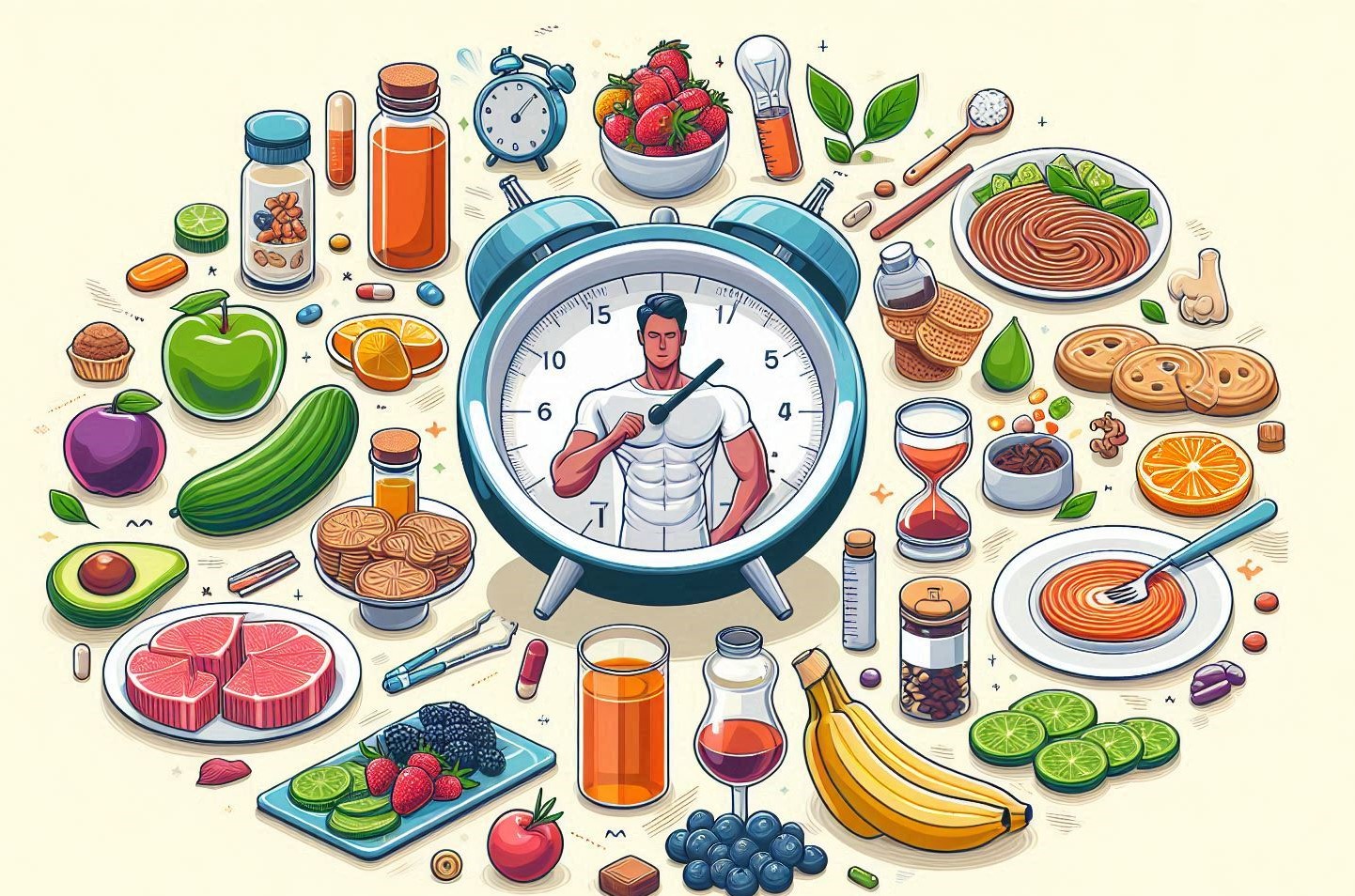
Intermittent Fasting (IF) has surged from a niche biohacking practice to a mainstream health and wellness phenomenon. Unlike traditional diets that prescribe what to eat, IF is an eating pattern that dictates when to eat. It cycles between periods of fasting and eating, leveraging the body’s innate metabolic pathways to potentially confer a wide range of health benefits. This article provides a deep dive into the various methods of intermittent fasting, explores the science-backed benefits, and crucially, outlines the populations for whom this eating pattern may be unsuitable or even dangerous.
Understanding the Core Mechanism: What Happens During a Fast?
To appreciate the benefits of IF, one must first understand the physiological shifts that occur when the body is deprived of food for a sustained period. After consuming a meal, the body enters a fed state, spending several hours metabolizing the food. Insulin levels are high, signaling cells to absorb glucose from the blood for energy. Excess glucose is stored as glycogen in the liver and muscles or converted into fat.
Once the body has finished digesting and absorbing nutrients—typically 3 to 5 hours after eating—it enters the post-absorptive state. This state persists until about 12-18 hours after the last meal, when the body truly transitions into a fasted state. In this critical window, several key changes occur:
- Insulin Levels Drop Sharply: With no incoming food, insulin secretion decreases significantly. Low insulin is a primary signal for the body to start burning stored energy.
- Glycogen Depletion: The body first uses up its readily available glycogen stores for energy.
- Transition to Fat Burning: Once glycogen stores are depleted, the body begins to break down fatty acids into ketone bodies in the liver, a process called ketogenesis. These ketones become the primary fuel source for many tissues, including the brain.
- Cellular Repair Processes Initiate: The fasted state triggers autophagy (from the Greek for “self-eating”), a cellular “housekeeping” process where cells identify, digest, and recycle damaged proteins and organelles. This is considered a crucial mechanism for cellular rejuvenation and longevity.
It is this metabolic switch from a sugar-burning to a fat-burning state, coupled with the activation of autophagy, that underlies most of the proposed health benefits of intermittent fasting.
Popular Methods of Intermittent Fasting
IF is not a one-size-fits-all approach. Several protocols have gained popularity, allowing individuals to choose a method that best fits their lifestyle, experience level, and physiological response.
The 16/8 Method (or Time-Restricted Feeding)
This is arguably the most popular and sustainable form of IF. It involves fasting for 16 hours each day and consuming all calories within an 8-hour “eating window.”
- How it works: For example, one might finish dinner at 8 PM and then not eat again until noon the next day. During the 16-hour fast, water, black coffee, and unsweetened tea are permitted. All meals are consumed between noon and 8 PM.
- Best for: Beginners due to its relative ease of integration into daily life. It often simply means skipping breakfast.
The 5:2 Diet
This method focuses on calorie intake rather than a strict fasting window across the week.
- How it works: For five days of the week, you eat normally, without any calorie restrictions. On the other two, non-consecutive days (e.g., Monday and Thursday), you drastically reduce calorie intake to around 500-600 calories.
- Best for: Those who prefer having “normal” eating days most of the week and can handle the discipline of two very low-calorie days.
Eat-Stop-Eat (24-Hour Fast)
This is a more advanced approach that involves one or two 24-hour fasts per week.
- How it works: A person might finish dinner at 7 PM on a Monday and then fast until 7 PM on Tuesday. This constitutes one 24-hour fast. During the fast, non-caloric beverages are allowed. On non-fasting days, eating resumes normally.
- Best for: Experienced fasters who have adapted to shorter fasts. It can be challenging due to potential side effects like hunger, fatigue, and irritability.
Alternate-Day Fasting (ADF)
As the name implies, this protocol alternates between fasting and feasting days.
- How it works: There are variations, but a common version involves alternating between a “fast day” (either complete fasting or consuming ~500 calories) and a “feast day” (eating without restriction).
- Best for: Individuals seeking more aggressive results and who can tolerate the frequent cycling. Long-term adherence can be difficult for many.
The Warrior Diet
This method involves a daily cycle of a 20-hour fast followed by a 4-hour eating window.
- How it works: During the 20-hour “fast,” small amounts of raw fruits and vegetables, and small servings of protein are allowed. Then, one large meal is consumed within the 4-hour evening window.
- Best for: Those who prefer eating one large meal at night and can function on very little food during the day.
The Science-Backed Benefits of Intermittent Fasting
A substantial body of research, primarily from animal studies and a growing number of human trials, has linked IF to numerous health benefits that extend far beyond simple weight loss.
Weight Loss and Fat Reduction
This is the most common reason people try IF. It works through two primary mechanisms:
- Reduced Caloric Intake: By condensing the eating window, most people naturally consume fewer calories without consciously dieting.
- Enhanced Hormonal Function: The drop in insulin and increase in norepinephrine (noradrenaline) during fasting increases the metabolic rate and facilitates the release and burning of body fat. A 2020 review by Patterson & Sears highlighted that time-restricted feeding can be an effective strategy for reducing body weight and improving metabolic health.
Improved Insulin Sensitivity and Reduced Type 2 Diabetes Risk
By giving the body prolonged breaks from insulin secretion, IF can significantly improve insulin sensitivity. This means cells become more responsive to insulin, requiring less of it to lower blood sugar levels. Improved insulin sensitivity is a cornerstone of preventing and managing Type 2 Diabetes. A seminal study by Mattson et al. (2017) has shown that IF can reduce blood sugar levels and insulin resistance as effectively as or even more effectively than continuous calorie restriction.
Cellular Repair and Autophagy
As mentioned, fasting induces autophagy. This process cleans out cellular debris, including misfolded proteins that are implicated in neurodegenerative diseases like Alzheimer’s and Parkinson’s. While difficult to measure directly in humans, animal studies consistently show that enhanced autophagy is a key mediator of the anti-aging and disease-preventing effects of caloric restriction and IF.
Cardiovascular Health
IF has been shown to improve several key risk factors for heart disease.
- Blood Pressure: Studies note reductions in both systolic and diastolic blood pressure.
- Cholesterol Markers: It can lower levels of LDL (“bad”) cholesterol, blood triglycerides, and total cholesterol.
- Inflammatory Markers: Fasting reduces markers of inflammation, such as C-reactive protein (CRP), which is a key driver of cardiovascular disease. Research by de Cabo & Mattson (2019) summarizes these cardioprotective effects, linking them to the metabolic switch and improved cellular stress resistance.
Brain Health and Cognitive Function
The benefits of IF extend to the brain. Ketones are a more efficient fuel for the brain than glucose and may enhance mental clarity and focus. Furthermore, IF increases the production of a protein called brain-derived neurotrophic factor (BDNF). Low BDNF is linked to depression and various brain disorders, while higher levels support the survival of existing neurons and encourage the growth of new ones. Mattson et al. (2018) have extensively documented how IF can bolster neuronal resilience and protect against age-related neurodegenerative disorders.
Potential for Longevity
While human longevity data is still emerging, studies in yeast, worms, flies, and mice have consistently shown that various forms of caloric restriction and fasting extend lifespan. The proposed mechanisms include reduced oxidative damage, decreased inflammation, and enhanced autophagy. The translation to human lifespan is a subject of intense ongoing research.
Who Should Avoid Intermittent Fasting? Crucial Contraindications and Precautions
Despite its potential benefits, IF is not a suitable or safe eating pattern for everyone. Certain populations should avoid it or only undertake it under strict medical supervision.
Children and Adolescents
Young individuals are in critical stages of growth and development, requiring a consistent supply of nutrients. Restricting eating windows can impair growth, disrupt hormonal development, and lead to nutrient deficiencies.
Pregnant and Breastfeeding Women
Pregnancy and lactation are periods of high energy and nutrient demand. Fasting can deprive both the mother and the developing fetus or infant of essential calories, vitamins, and minerals, potentially leading to developmental complications and low milk supply.
Individuals with a History of Eating Disorders
IF, with its focus on rules and restrictions around food timing, can trigger or exacerbate disordered eating patterns like anorexia, bulimia, or orthorexia in susceptible individuals. It can create an unhealthy obsession with food and a dysfunctional relationship with eating.
People with Diabetes, Especially on Medication
For individuals with diabetes, particularly those on insulin or sulfonylureas, fasting can be dangerous. The combination of medication that lowers blood sugar and a lack of food intake can lead to severe and potentially life-threatening hypoglycemia (low blood sugar). Any diabetic individual considering IF must do so only under the close guidance of their healthcare provider.
Individuals with Low Body Weight or Underweight (BMI < 18.5)
People who are underweight do not have the energy reserves to sustain a fast. IF can lead to further unhealthy weight loss, muscle wasting, bone density loss, and severe nutrient deficiencies.
Those with Thyroid Dysfunction, Particularly Adrenal Fatigue
Chronic stress can dysregulate the hypothalamic-pituitary-adrenal (HPA) axis. Fasting is a physiological stressor that can further elevate cortisol levels. For individuals with adrenal fatigue or significant thyroid issues like Hashimoto’s, this added stress can worsen symptoms like fatigue, brain fog, and hormonal imbalances.
People with Gallbladder Issues or a History of Gallstones
Fasting can reduce the frequency of gallbladder contractions. For individuals prone to gallstones, this can allow bile to become overly concentrated, increasing the risk of stone formation. Rapid weight loss from any method is a known risk factor for gallstones.
Individuals with Significant Gastrointestinal Reflux Disease (GERD)
An empty stomach can sometimes exacerbate acid reflux symptoms in certain individuals. The lack of food to absorb stomach acid may lead to increased heartburn and discomfort during fasting periods.
Getting Started and Mitigating Side Effects
For those for whom IF is appropriate, starting slowly is key. Common initial side effects include hunger, irritability, headaches, and constipation. These often subside as the body adapts over one to two weeks.
- Start Gradually: Begin with a 12-hour fast (e.g., 7 PM to 7 AM) and gradually extend the window to 14, then 16 hours.
- Stay Hydrated: Drink plenty of water, herbal tea, and black coffee or tea (without sugar, milk, or cream).
- Eat Nutrient-Dense Foods: When you break your fast, prioritize whole foods—lean proteins, healthy fats, fiber-rich vegetables, and complex carbohydrates. This ensures you meet your nutritional needs despite the shorter eating window.
- Listen to Your Body: IF is a tool, not a dogma. If you feel unwell, dizzy, or excessively weak, break your fast. It is more important to be in tune with your body’s signals than to rigidly adhere to a schedule.
Conclusion
Intermittent Fasting represents a paradigm shift from traditional dieting, focusing on meal timing to harness the body’s natural metabolic cycles. The evidence supporting its benefits for weight loss, metabolic health, insulin sensitivity, and cellular repair is compelling and continues to grow. The induction of autophagy, in particular, offers a promising mechanism for promoting longevity and protecting against chronic disease.
However, this powerful dietary intervention is not without its risks and is decidedly not for everyone. It is contraindicated for children, pregnant women, those with a history of eating disorders, underweight individuals, and people with certain medical conditions like diabetes requiring medication. As with any significant dietary change, consultation with a healthcare professional or a registered dietitian is strongly recommended before embarking on an intermittent fasting journey. For the appropriate individual, when implemented correctly and safely, IF can be a sustainable and effective strategy for improving health and well-being.
SOURCES
de Cabo, R., & Mattson, M. P. (2019). Effects of Intermittent Fasting on Health, Aging, and Disease. The New England Journal of Medicine, *381*(26), 2541–2551.
Mattson, M. P., Longo, V. D., & Harvie, M. (2017). Impact of intermittent fasting on health and disease processes. Ageing Research Reviews, *39*, 46–58
Mattson, M. P., Moehl, K., Ghena, N., Schmaedick, M., & Cheng, A. (2018). Intermittent metabolic switching, neuroplasticity and brain health. Nature Reviews Neuroscience, *19*(2), 63–80
Patterson, R. E., & Sears, D. D. (2020). Metabolic Effects of Intermittent Fasting. Annual Review of Nutrition, *40*, 1–24.
HISTORY
Current Version
Nov 19, 2025
Written By:
SUMMIYAH MAHMOOD