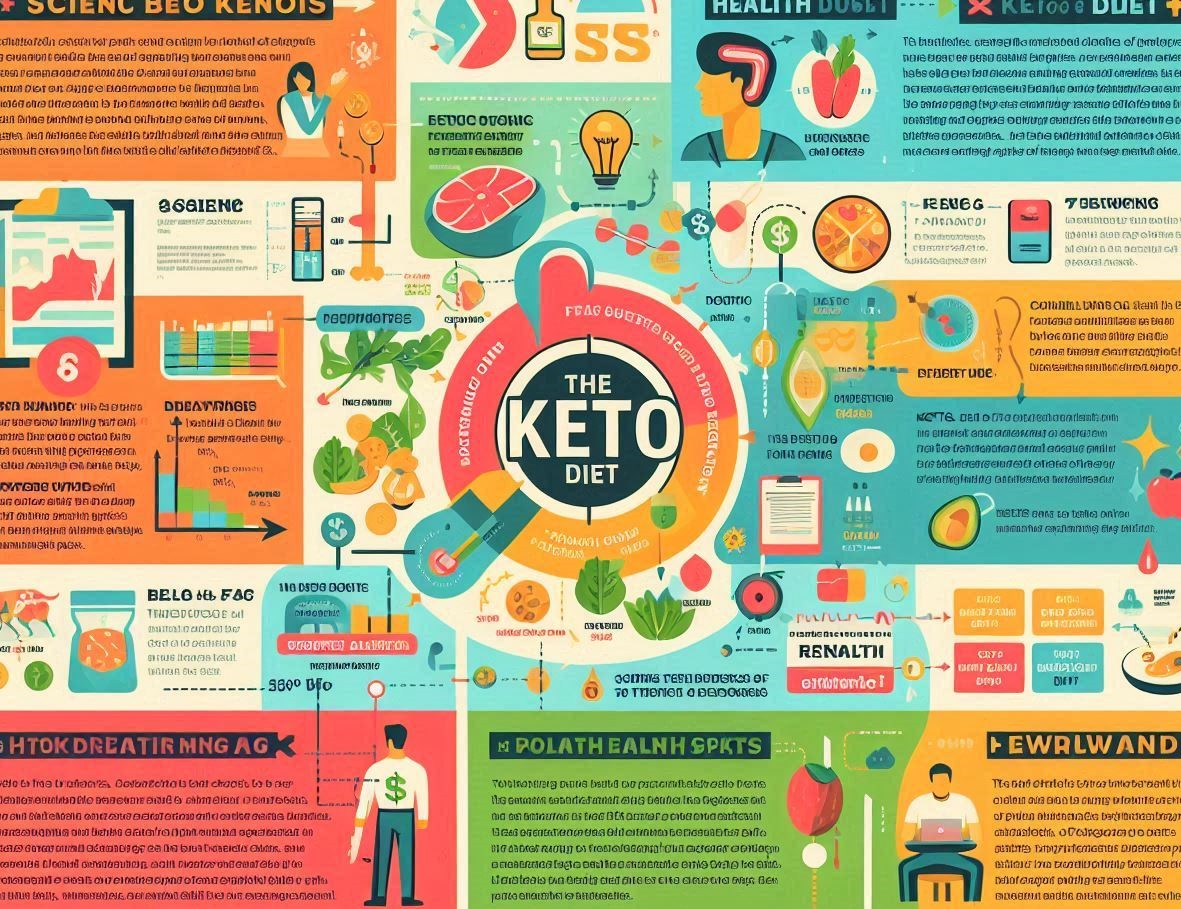
The ketogenic, or “keto,” diet has surged from a niche therapeutic protocol to a mainstream nutritional phenomenon. Promoted for rapid weight loss, enhanced mental clarity, and improved metabolic health, it has sparked both fervent advocacy and significant criticism. To navigate the polarizing landscape of information, one must move beyond anecdotal claims and examine the robust science, the legitimate risks, and the potential rewards that define this high-fat, very-low-carbohydrate way of eating. This guide provides a comprehensive exploration of the ketogenic diet, detailing its physiological mechanisms, its therapeutic applications, the substantial benefits many experience, and the serious health considerations it demands.
The Science of Ketosis – A Metabolic Paradigm Shift
At its core, the ketogenic diet is a deliberate intervention designed to force the body into a fundamental metabolic state known as ketosis.
The Standard Metabolic Pathway: Glucose as Primary Fuel
Under normal dietary conditions, the human body prefers glucose for energy. Carbohydrates—from bread and pasta to fruits and vegetables—are broken down into simple sugars, primarily glucose. This glucose enters the bloodstream, prompting the pancreas to release insulin. Insulin’s role is to shuttle glucose into the body’s cells to be used for immediate energy. Any excess glucose is converted into glycogen and stored in the liver and muscles. When these storage sites are full, the liver converts the remaining glucose into fat for long-term storage.
This system provides a steady, readily available energy source as long as carbohydrate intake remains consistent.
The Keto Intervention: Shifting to Fat as Primary Fuel
The ketogenic diet fundamentally disrupts this process by drastically reducing carbohydrate intake. A standard keto diet typically comprises:
- 70-80% of calories from Fat
- 20-25% of calories from Protein
- 5-10% of calories from Carbohydrates (often only 20-50 grams of net carbs per day)
This severe carbohydrate restriction depletes the body’s glycogen reserves within a few days. With glucose availability scarce and glycogen stores empty, the body must find an alternative fuel source to survive. It enters a state of “metabolic adaptation,” turning to its largest reserve of stored energy: fat.
The Liver and the Birth of Ketone Bodies
The liver becomes the epicenter of this new metabolic activity. It begins to aggressively break down both dietary and stored body fat into fatty acids and glycerol. Through a process called hepatic ketogenesis, the liver converts these fatty acids into new, water-soluble molecules called ketone bodies (or simply ketones).
The three primary ketone bodies are:
- Acetoacetate (AcAc): The first ketone produced.
- Beta-Hydroxybutyrate (BHB): The most abundant and stable ketone in the blood, often used to measure nutritional ketosis.
- Acetone: A volatile ketone produced from the spontaneous breakdown of acetoacetate; it is expelled through the breath, causing the characteristic “keto breath.”
These ketone bodies are released into the bloodstream and transported to various tissues throughout the body, including the brain, heart, and muscles. These tissues then convert the ketones back into acetyl-CoA to fuel the cellular mitochondria, the powerhouses of the cell, producing adenosine triphosphate (ATP)—the fundamental currency of energy.
The brain, which typically relies exclusively on glucose, efficiently adapts to using ketones for up to 70% of its energy needs, with the remaining portion being supplied by gluconeogenesis, a process where the liver creates glucose from amino acids (in protein) and glycerol.
Measuring Ketosis
Nutritional ketosis is typically defined as having a blood BHB level between 0.5 and 3.0 mmol/L. This can be measured through:
- Blood Ketone Meters: The most accurate method.
- Breath Acetone Meters: Less invasive but can be less consistent.
- Urine Ketone Strips: Inexpensive but generally only effective in the initial stages of ketosis, as the body becomes more efficient at using ketones and excretes fewer of them.
The Proven Rewards and Therapeutic Applications
The shift into ketosis is not merely about fuel substitution; it elicits a cascade of hormonal and metabolic changes that underpin the diet’s reported benefits.
Significant and Rapid Weight Loss
This is the most common driver for adopting a keto diet, and the results are often dramatic, particularly in the short term.
- Water Weight: The initial rapid weight loss is largely due to water loss. Glycogen is stored with water; for every gram of glycogen depleted, the body releases 3-4 grams of water.
- Fat Loss: The sustained weight loss is due to genuine fat reduction. The state of ketosis creates a metabolic environment conducive to fat burning. Furthermore, the diet is highly satiating. High fat and adequate protein intake promote feelings of fullness, while ketones themselves may have an appetite-suppressing effect (Gibson, 2022). This often leads to a natural reduction in caloric intake without conscious calorie counting.
- Reduced Insulin Levels: By minimizing carbohydrate intake, insulin levels plummet. Insulin is a fat-storage hormone; lower baseline insulin levels facilitate the mobilization and burning of stored body fat.
Powerful Therapeutic Tool for Epilepsy
Long before it was a weight-loss trend, the ketogenic diet was a well-established, non-pharmacological treatment for drug-resistant epilepsy, particularly in children. The pioneering work of Wilder (1921) demonstrated its efficacy. The exact anticonvulsant mechanisms are still being unraveled but are believed to involve:
- Stabilizing neuronal membranes.
- Altering neurotransmitter levels.
- Providing a more efficient fuel source for the brain that is less likely to trigger excitability.
- Reducing brain inflammation.
The success of the classic keto diet in managing seizures has led to the development of modified versions, such as the Modified Atkins Diet and the Low Glycemic Index Treatment, which are slightly less restrictive.
Improved Type 2 Diabetes and Insulin Sensitivity
For individuals with insulin resistance and Type 2 Diabetes, the keto diet can be profoundly effective.
- Glycemic Control: By removing the primary dietary driver of high blood sugar, the diet can lead to rapid and significant reductions in HbA1c (a long-term measure of blood glucose).
- Reduced Medication Dependency: Many individuals can drastically reduce or even eliminate their need for insulin and other glucose-lowering medications, though this must be done under strict medical supervision (Saslow, 2017).
- Improved Insulin Sensitivity: The diet helps reset the body’s sensitivity to insulin, allowing cells to respond to the hormone more effectively.
Enhanced Mental Clarity and Cognitive Benefits
Many adherents report improved focus, concentration, and mental clarity. Scientifically, this is plausible for several reasons:
- Stable Energy Supply: Ketones provide a steady, efficient fuel source for the brain, avoiding the energy crashes associated with blood sugar spikes and dips from high-carb meals.
- Reduced Brain Fog: Ketones may improve mitochondrial function and increase the production of brain-derived neurotrophic factor (BDNF), a protein that supports brain cell health and connectivity.
- Potential Neuroprotective Effects: Research is exploring the diet’s potential in other neurological conditions, including Alzheimer’s disease (often described as “Type 3 Diabetes” due to insulin resistance in the brain), Parkinson’s disease, and traumatic brain injuries. The theory is that ketones may provide an alternative fuel for brain cells that have become impaired in their ability to utilize glucose (Newport, 2015).
Other Potential Benefits
Emerging research suggests other potential rewards, though the evidence is often less established:
- Improved Cardiovascular Markers: Despite being high in fat, well-formulated keto diets often lead to improved HDL (“good”) cholesterol, decreased triglycerides, and a more favorable LDL particle size and pattern (Bhanpuri, 2018).
- Management of PCOS: Polycystic Ovary Syndrome is driven by insulin resistance. By improving insulin sensitivity, the keto diet may help regulate menstrual cycles and improve hormone profiles in women with PCOS.
- Potential Anti-Cancer Effects: Some cancer cells are obligate glucose metabolizers. The “Warburg effect” describes their reliance on glycolysis even in the presence of oxygen. By starving these cells of glucose, a ketogenic diet is being investigated as an adjuvant therapy to potentially slow tumor growth, though this remains a highly experimental area.
The Significant Risks and Challenges
The ketogenic diet is a powerful metabolic tool, but it is not without significant drawbacks, side effects, and potential risks. Acknowledging and managing these is crucial for safe and sustainable practice.
The “Keto Flu” and Initial Side Effects
As the body adapts to using ketones, many people experience a collection of unpleasant symptoms known as the “keto flu.” This is not a real flu but a temporary state of carbohydrate withdrawal and electrolyte imbalance. Symptoms include headache, fatigue, nausea, irritability, dizziness, and muscle cramps. These typically subside within a week and can be mitigated by:
- Staying Hydrated: Drinking plenty of water.
- Replenishing Electrolytes: Increasing sodium, potassium, and magnesium intake through broth, supplements, and low-carb vegetables.
Nutrient Deficiencies
By eliminating or severely restricting entire food groups like grains, legumes, and many fruits and starchy vegetables, individuals on a keto diet are at risk for deficiencies in:
- Fiber: Leading to constipation.
- Vitamins and Minerals: Such as Vitamin C, Vitamin D, magnesium, selenium, and the B vitamins (especially thiamine and folate).
A well-formulated keto diet must emphasize non-starchy vegetables, nuts, and seeds, and supplementation may be necessary.
Potential Impact on Cardiovascular Health
This is one of the most contentious areas. A diet high in saturated fat (e.g., from red meat, butter, and lard) can raise LDL (“bad”) cholesterol in some individuals, a known risk factor for heart disease. The key distinction lies in the type of fats consumed and individual response. A keto diet rich in avocados, olive oil, nuts, and fatty fish is likely to have a very different cardiovascular impact than one centered on processed meats and cheese. Regular blood lipid monitoring is essential.
Ketoacidosis: A Dangerous Complication
It is critical to distinguish between nutritional ketosis and diabetic ketoacidosis (DKA). Nutritional ketosis is a controlled, physiological state with BHB levels up to 3.0 mmol/L. DKA is a life-threatening medical emergency that occurs primarily in individuals with Type 1 Diabetes when a lack of insulin causes blood sugar and ketone levels to skyrocket (often >20 mmol/L), turning the blood acidic.
While rare, a condition called euglycemic ketoacidosis has been reported in some individuals on a keto diet, including those with Type 2 Diabetes using SGLT2 inhibitor medications. Anyone with diabetes must consult a doctor before attempting a ketogenic diet.
Liver and Kidney Strain
- Liver: The liver is responsible for ketogenesis. For individuals with pre-existing non-alcoholic fatty liver disease (NAFLD), a keto diet may initially help by reducing liver fat. However, for those with advanced liver disease, the added metabolic burden could be problematic.
- Kidneys: The diet’s high protein content (in some versions) and the potential for dehydration have raised concerns about long-term kidney stress, particularly in individuals with pre-existing kidney impairment. The kidneys also play a key role in electrolyte balance, which is already challenged on keto.
Social and Long-Term Sustainability Challenges
The keto diet is highly restrictive. This can make social dining difficult, contribute to feelings of isolation, and increase the risk of developing an unhealthy relationship with food. The long-term adherence rate is low, and many people regain the weight lost once they reintroduce carbohydrates, especially if they revert to their previous high-carb eating patterns.
Crafting a Healthy Keto Diet and Conclusion
A “well-formulated” ketogenic diet is essential to maximizing rewards and minimizing risks. This involves:
- Focusing on Whole Foods: Prioritizing non-starchy vegetables (leafy greens, broccoli, cauliflower), high-quality fats (avocado, olive oil, coconut oil, nuts, seeds), and adequate protein (fatty fish, pasture-raised meat, eggs).
- Limiting Processed “Keto” Products: Many commercial keto snacks, bars, and desserts are highly processed and can stall progress.
- Staying Hydrated and Managing Electrolytes.
- Cyclical or Targeted Keto: Some athletes or individuals adopt variations where they strategically reintroduce carbohydrates (e.g., Cyclical Keto with one high-carb day per week, or Targeted Keto with carbs around workouts) to improve performance and sustainability.
Conclusion
The ketogenic diet is a powerful metabolic intervention with a solid scientific foundation. Its efficacy in driving rapid weight loss, managing epilepsy, and reversing the markers of Type 2 Diabetes is well-documented. The rewards of sustained energy, mental clarity, and improved metabolic health can be life-changing for many.
However, these rewards are counterbalanced by significant risks and challenges, including initial side effects, potential nutrient deficiencies, cardiovascular concerns for some individuals, and serious questions about long-term sustainability. It is not a one-size-fits-all solution. Before embarking on a ketogenic journey, a consultation with a healthcare provider is imperative, particularly for individuals with pre-existing conditions like diabetes, kidney disease, or cardiovascular issues. For those who proceed, a mindful, well-formulated approach centered on whole foods is the only path to harnessing the power of ketosis safely and effectively. The keto diet is a tool, and like any powerful tool, its value is determined by the knowledge, care, and context with which it is used.
SOURCES
Bhanpuri, N. H. (2018). Cardiovascular disease risk factor responses to a type 2 diabetes care model including nutritional ketosis induced by sustained carbohydrate restriction at 1 year: an open label, non-randomized, controlled study. Cardiovascular Diabetology, 17(1), 56.
Gibson, A. A. (2022). The role of ketosis in appetite regulation and weight loss: A systematic review. Obesity Reviews, 23(4), e13414.
Newport, M. T. (2015). The use of dietary therapy for the management of Alzheimer’s disease: A review of the evidence. Journal of Alzheimer’s Disease & Parkinsonism, 5(4), 1-7.
Saslow, L. R. (2017). A randomized pilot trial of a moderate carbohydrate diet compared to a very low carbohydrate diet in overweight or obese individuals with type 2 diabetes mellitus or prediabetes. PLOS ONE, 12(4), e0175485.
Wilder, R. M. (1921). The effects of ketonemia on the course of epilepsy. Mayo Clinic Proceedings, 2, 307-308.
HISTORY
Current Version
Nov 19, 2025
Written By:
SUMMIYAH MAHMOOD