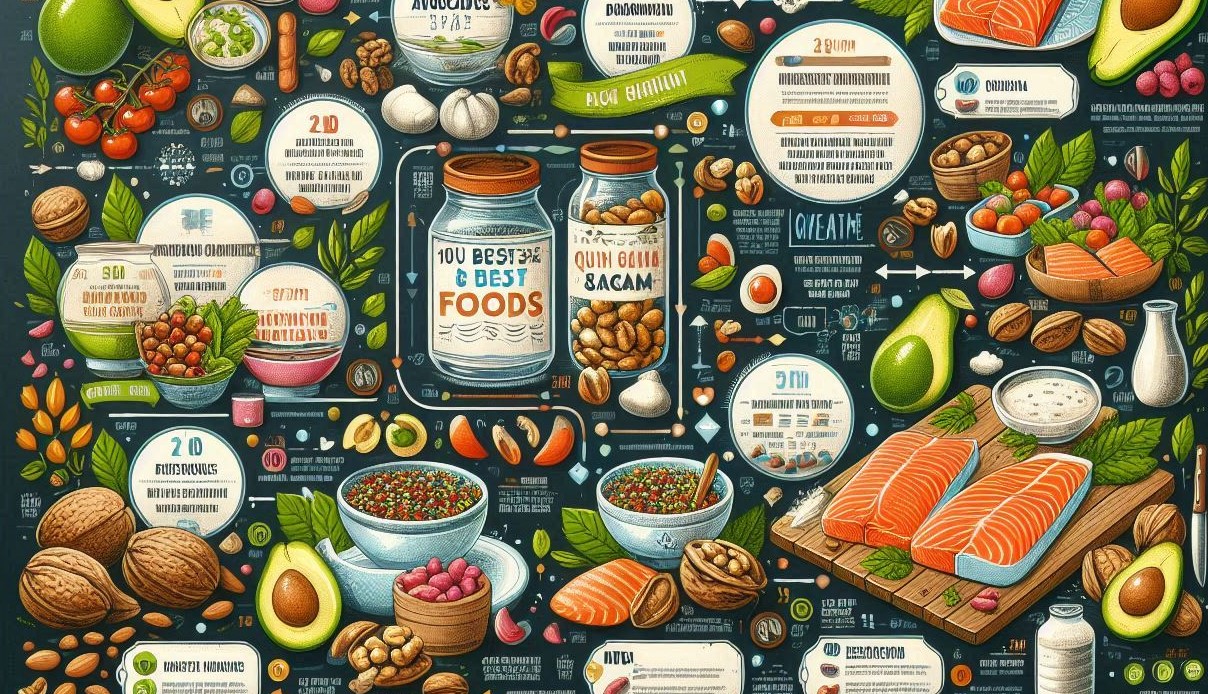
In a world saturated with messaging about weight loss, the struggle to gain weight healthily is often overlooked and misunderstood. For individuals who are naturally lean, have a fast metabolism, or are recovering from illness, achieving a higher number on the scale can be just as challenging as losing weight. The goal, however, should never be to gain weight indiscriminately by consuming empty calories from junk food. This approach leads to unhealthy fat accumulation, poor metabolic health, and a lack of essential nutrients.
Healthy, sustainable weight gain is a deliberate process focused on increasing lean muscle mass and supporting overall well-being through nutrient-dense foods. It requires a consistent caloric surplus—consuming more calories than your body burns—paired with resistance training to ensure those extra calories are used to build muscle rather than stored as fat. This guide delves into the ten best food groups to help you achieve this goal, providing a blueprint for gaining weight the right way.
The Core Principles of Healthy Weight Gain
Before exploring the specific foods, it’s crucial to understand the foundational principles:
- Caloric Surplus: This is non-negotiable. You must consume more energy than you expend. A surplus of 300-500 calories per day is a good starting point for lean mass gains, potentially leading to a gain of 0.5 to 1 pound per week.
- Macronutrient Balance: Calories shouldn’t come from just anywhere. A balanced intake is key:
- Protein: Essential for muscle repair and synthesis. Aim for 1.6-2.2 grams per kilogram of body weight.
- Complex Carbohydrates: The primary fuel source for your body and workouts, aiding in recovery and replenishing glycogen stores.
- Healthy Fats: A concentrated source of calories (9 calories per gram) and vital for hormone production, including testosterone, which plays a role in muscle growth.
- Nutrient Density: Every calorie should work for you. Choosing foods rich in vitamins, minerals, and antioxidants supports overall health, improves workout performance, and enhances recovery.
- Resistance Training: Without a stimulus for growth, the extra calories will primarily be stored as fat. Engaging in strength training (e.g., weightlifting, calisthenics) signals to your body that it needs to build muscle.
With these principles in mind, let’s explore the ten best food categories to incorporate into your diet.
The 10 Best Foods for Healthy Weight Gain
Red Meat and Lean, Fatty Cuts
Red meat has been a staple for muscle building for generations, and for good reason. It is one of the most bioavailable sources of high-quality protein, containing all the essential amino acids needed for muscle protein synthesis. Furthermore, red meat is rich in creatine, a compound well-researched for its ability to increase strength and power output during exercise, leading to more effective workouts and greater muscle growth over time (Campbell et al., 2022). It is also a superior source of heme iron, which is more easily absorbed than plant-based iron, and vitamin B12, crucial for nerve function and energy production.
How to Incorporate:
- Choose lean but marbled cuts like sirloin, ribeye, or ground beef with a 85/15 or 80/20 lean-to-fat ratio.
- Prepare as steaks, in burgers (without excessive processed fillers), in chili, or in stir-fries.
- Aim for 2-4 servings per week, balancing your diet with other protein sources.
Fatty Fish: Salmon, Mackerel, and Herring
Fatty fish are a powerhouse for weight gain and overall health. Salmon, for instance, provides high-quality protein and is packed with omega-3 fatty acids, specifically EPA and DHA. These fats are renowned for their anti-inflammatory properties, which can significantly enhance workout recovery by reducing muscle soreness and damage. A study published in the Clinical Journal of Sport Medicine found that omega-3 supplementation attenuated muscle soreness and improved range of motion after eccentric exercise (Lenn et al., 2018). Improved recovery means you can train more consistently and effectively.
How to Incorporate:
- Bake, grill, or pan-sear a salmon fillet for a quick and easy meal.
- Canned salmon and sardines are cost-effective and convenient options for salads, sandwiches, or crackers.
- Aim to consume fatty fish at least twice a week.
Whole Eggs: The Complete Nutritional Package
Often referred to as “nature’s multivitamin,” the egg is a perfect food for weight gain. The yolk is where most of the nutrients reside, including fat-soluble vitamins (A, D, E, K), choline for brain health, and essential fatty acids. The protein in eggs is considered the gold standard for bioavailability. The combination of high-quality protein and healthy fats in eggs makes them incredibly satiating, yet calorically dense enough to support a surplus.
How to Incorporate:
- Scrambled or boiled eggs make for a quick breakfast or snack.
- Add hard-boiled eggs to salads for a protein and calorie boost.
- Use whole eggs in omelets filled with cheese, avocado, and vegetables.
Whole Milk and Full-Fat Dairy
For decades, whole milk has been a go-to weight gain shake for athletes and bodybuilders. It provides an ideal ratio of proteins—fast-digesting whey and slow-digesting casein—which promotes sustained muscle protein synthesis. It also contains carbohydrates (lactose) for energy and a significant amount of fat for calories and hormone health. Full-fat Greek yogurt and cottage cheese are other excellent options, offering a thick, protein-packed base that can be combined with other high-calorie foods.
How to Incorporate:
- Drink a glass of whole milk with meals or as a post-workout drink.
- Use full-fat Greek yogurt as a base for parfaits with granola, nuts, and honey.
- Mix cottage cheese with fruit and a drizzle of nut butter for a high-protein snack.
Nuts and Nut Butters: Calorie-Dense Powerhouses
Nuts and seeds, along with their butters, are among the most calorie-efficient foods available. Just a small handful of almonds or two tablespoons of peanut butter can provide over 150-200 calories from healthy fats, protein, and fiber. They are also rich in vitamin E, magnesium, and other micronutrients. A long-term study by Bes-Rastrollo et al. (2023) suggested that frequent nut consumption was associated with reduced risk of weight gain and obesity, highlighting their role in promoting satiety and metabolic health, which is crucial for sustainable gains.
How to Incorporate:
- Keep a jar of natural peanut, almond, or cashew butter on hand. Add a spoonful to oatmeal, smoothies, or spread on apple slices.
- Carry mixed nuts (almonds, walnuts, cashews) as a portable, high-calorie snack.
- Use tahini (sesame seed paste) in dressings and sauces.
Complex Carbohydrates: Oats, Quinoa, and Brown Rice
Muscles run on glycogen, which is stored carbohydrates. To fuel intense workouts and replenish stores afterward, a steady intake of complex carbohydrates is essential. Unlike simple sugars, complex carbs provide a slow and steady release of energy, preventing blood sugar spikes and crashes.
- Oats: A fantastic source of soluble fiber and a great base for a high-calorie breakfast.
- Quinoa: A unique plant-based source of complete protein, making it doubly valuable.
- Brown Rice & Sweet Potatoes: Staple carb sources that are versatile, filling, and rich in fiber and micronutrients like beta-carotene (in sweet potatoes).
How to Incorporate:
- Start your day with a large bowl of oatmeal made with whole milk and topped with nuts and dried fruit.
- Use quinoa or brown rice as the carbohydrate base for lunch and dinner bowls.
- Bake sweet potatoes as a side dish, or mash them for a nutrient-dense carb source.
Healthy Oils: The Easiest Calorie Boost
Liquid calories are one of the simplest ways to increase your total caloric intake without significantly increasing the volume of food you eat. Healthy oils like extra virgin olive oil, avocado oil, and flaxseed oil are pure fat, meaning they provide 9 calories per gram—over double that of protein or carbs. They are also central to the Mediterranean diet and are associated with reduced inflammation and improved heart health.
How to Incorporate:
- Drizzle extra virgin olive oil generously over salads, cooked vegetables, and pasta.
- Use avocado oil for cooking due to its high smoke point.
- Add a tablespoon of olive or flaxseed oil to your protein shakes (the flavor is easily masked).
Dried Fruits: Concentrated Energy
While whole fruits are important for their fiber and water content, dried fruits offer a more concentrated source of calories and carbohydrates, making them excellent for weight gain. Raisins, dates, prunes, and dried apricots are packed with energy, vitamins, and minerals like potassium and iron. They are a natural and quick way to add a significant caloric punch to meals and snacks.
How to Incorporate:
- Mix dried fruits into trail mix with nuts and dark chocolate chips.
- Chop up dates and add them to oatmeal or yogurt.
- Use dried fruits in homemade energy balls blended with oats, nut butter, and protein powder.
Avocados: The Creamy Fat Source
Avocados are a unique fruit, consisting primarily of healthy monounsaturated fats. One medium avocado provides over 240 calories, along with nearly 10 grams of fiber, and a host of vitamins like C, E, K, and B-6. Their creamy texture and mild flavor make them incredibly versatile for adding healthy calories and fats to various dishes. The fiber content also supports digestive health, which is crucial when increasing food intake.
How to Incorporate:
- Mash avocado on whole-grain toast for a balanced breakfast or snack.
- Add slices to sandwiches, wraps, and salads.
- Blend half an avocado into a smoothie to make it creamier and more calorie-dense.
Dark Chocolate (70%+ Cocoa)
Yes, you can eat chocolate and gain weight healthily. High-quality dark chocolate (with a cocoa content of 70% or higher) is a source of antioxidants, flavonoids, and, importantly, calories from fat. It is far superior to milk chocolate, which is high in added sugar and unhealthy fats. The antioxidants in dark chocolate can help combat oxidative stress induced by intense training. Enjoying a few squares as a daily treat can contribute to your caloric surplus while providing health benefits.
How to Incorporate:
- Enjoy a square or two of dark chocolate as an after-dinner treat.
- Grate dark chocolate over Greek yogurt or oatmeal.
- Use it in homemade energy bars.
Putting It All Together: A Sample Day of Eating
To illustrate how these foods can be combined, here is a sample meal plan for a day, designed to create a healthy caloric surplus.
- Breakfast (approx. 700 calories):
- 1 cup of rolled oats cooked with 1.5 cups of whole milk.
- 1 tablespoon of peanut butter and a handful of mixed berries stirred in.
- 2 scrambled whole eggs.
- Morning Snack (approx. 400 calories):
- 1 cup of full-fat Greek yogurt.
- ¼ cup of granola and a tablespoon of honey.
- Lunch (approx. 800 calories):
- 6 oz grilled chicken breast.
- 1 large baked sweet potato with a pat of butter.
- Large salad with mixed greens, cherry tomatoes, and a dressing made from 2 tbsp olive oil and lemon juice.
- 1 medium avocado on the side.
- Pre-Workout Snack (approx. 300 calories):
- 1 apple with 2 tablespoons of almond butter.
- Post-Workout (approx. 500 calories):
- Protein Smoothie: 1 scoop protein powder, 1 cup whole milk, 1 medium banana, 1 tbsp flaxseed oil, and a handful of spinach.
- Dinner (approx. 900 calories):
- 6 oz sirloin steak.
- 1 cup of cooked quinoa.
- Sautéed broccoli and bell peppers in avocado oil.
- Evening Snack (approx. 250 calories):
- A square of dark chocolate and a handful of walnuts.
Total Estimated Calorie
The Role of Supplements
While whole foods should always be the foundation, certain supplements can be helpful:
- Protein Powder: Useful for convenience, especially post-workout or when struggling to meet protein needs through food alone.
- Creatine Monohydrate: One of the most researched and effective supplements for increasing strength and muscle mass.
- Weight Gainers: Use with caution. While they provide a large number of calories, they are often filled with low-quality sugars. It is often better to make your own high-calorie shakes with whole foods.
Conclusion
Healthy, sustainable weight gain is a marathon, not a sprint. It requires a consistent, strategic approach centered on nutrient-dense, calorie-rich foods like red meat, fatty fish, eggs, dairy, nuts, complex carbs, and healthy oils. By building your diet around these ten food groups, engaging in regular resistance training, and maintaining a slight caloric surplus, you can build lean muscle mass, improve your strength, and enhance your overall health. Move away from the mindset of simply “eating more” and embrace the strategy of “eating better.” Track your progress, be patient with your body, and remember that this is a journey of nourishing yourself towards a stronger, healthier version of you.
SOURCES
Bes-Rastrollo, M., Sabaté, J., Gómez-Gracia, E., Alonso, A., Martínez, J. A., & Martínez-González, M. A. (2023). Nut consumption and weight gain in a Mediterranean cohort: The SUN study. Obesity, *31*(3), 723–731.
Campbell, B., Kreider, R. B., Taylor, L., Wilborn, C., Roberts, M., Dugdale, H., & Rasmussen, C. (2022). International Society of Sports Nutrition position stand: protein and exercise. Journal of the International Society of Sports Nutrition, *19*(1), 1-25.
Lenn, J., Uhl, T., Mattacola, C., Boissonneault, G., & Yates, J. (2018). The effects of fish oil and isoflavones on delayed onset muscle soreness. Clinical Journal of Sport Medicine, *28*(2), 139–145.
HISTORY
Current Version
Nov 19, 2025
Written By:
SUMMIYAH MAHMOOD