1. Introduction
Motivation, focus, and goal-directed behavior are fundamental components of human functioning, and at the petrochemical level, dopamine serves as the principal driver. Often referred to as the “reward neurotransmitter,” dopamine orchestrates neural circuits underlying pleasure, reinforcement learning, attention, and executive functioning. A deficiency or deregulation in dopaminergic signaling manifests as diminished motivation, apathy, fatigue, and in extreme cases, mood disorders. Consequently, dietary strategies that support dopamine synthesis and modulation have garnered increasing attention in neuroscience, clinical nutrition, and behavioral health.
While pharmacological interventions exist for clinically significant dopamine deficiencies, emerging evidence emphasizes the potential of nutrition-based interventions to support dopaminergic function in both healthy and subclinical populations. The dopamine deficiency diet is conceptualized not merely as a regimen for mood enhancement but as a scientifically grounded approach to sustain motivation, cognitive drive, and petrochemical balance. By integrating knowledge from neurobiology, nutritional biochemistry, and behavioral sciences, this framework positions food as both substrate and signal for optimal brain function.
This guide provides a detailed exploration of dopamine biology, the role of essential nutrients, and practical dietary strategies designed to optimize mental drive. It bridges molecular mechanisms with applied nutrition, offering an evidence-based roadmap for those seeking to enhance motivation and cognitive vitality through food.
2. The Biochemistry of Dopamine
Dopamine (DA) is a catecholamine neurotransmitter synthesized primarily in the substantial Ingra, ventral segmental area, and hypothalamus. Its biosynthesis begins with the amino acid phenylalanine, which is hydroxylated to tyrosine via phenylalanine hydroxyls. Tyrosine is then converted to L-DOPA by tyrosine hydroxyls, the rate-limiting enzyme in dopamine production. Subsequently, DOPA decarboxylase catalyzes the conversion of L-DOPA to dopamine.
Dopamine exerts its physiological effects through five receptor subtypes (D1–D5), each with distinct localization and function. The mesolimbic pathway regulates reward and motivation, the nigrostriatal pathway controls movement and habit formation, and the neocortical pathway modulates executive function and working memory. Dopamine levels are tightly regulated through reuptake mechanisms (via the dopamine transporter, DAT), enzymatic degradation by monoamine oxidize (MAO) and catechu-O-methyltransferase (COMT), and vesicular storage dynamics.
Optimal dopaminergic activity depends not only on precursor availability but also on cofactors required for enzymatic reactions, including vitamins B6, B9, B12, iron, magnesium, and copper. Furthermore, oxidative stress and inflammation can impair dopamine synthesis, receptor sensitivity, and signaling efficiency, highlighting the intersection of metabolic health, nutrition, and petrochemical function.
3. Nutrient Requirements for Optimal Dopamine Function
Dopamine synthesis and regulation rely on a range of macro- and micronutrients:
3.1 Amino Acids
- Phenylalanine and Tyrosine: Essential and semi-essential amino acids, respectively, act as direct precursors for dopamine. Dietary intake from protein-rich foods ensures adequate substrate availability for neurotransmitter synthesis.
- Tryptophan: While primarily a serotonin precursor, tryptophan competes with tyrosine at the blood-brain barrier, influencing dopaminergic balance indirectly.
3.2 Vitamins
- Vitamin B6 (Pyridoxal-5’-phosphate): Cofactor for DOPA decarboxylase, critical for L-DOPA conversion to dopamine.
- Vitamin B9 (Foliate) and B12 (Coalmine): Support methylation reactions that maintain neurotransmitter balance, homocysteine metabolism, and neural health.
- Vitamin C: Acts as an antioxidant and participates in catecholamine synthesis by regenerating tetrahydrobiopterin (BH4), a cofactor for tyrosine hydroxyls.
3.3 Minerals
- Iron: Essential for tyrosine hydroxyls activity; deficiency impairs dopamine production and is linked to fatigue and cognitive decline.
- Magnesium: Modulates NMDA receptor function, affecting dopaminergic excitability and synaptic plasticity.
- Copper: Cofactor for dopamine β-hydroxyls, converting neither dopamine to nor epinephrine in catecholamine pathways.
3.4 Antioxidants and Phytonutrients
Oxidative stress diminishes dopamine synthesis and receptor function. Nutrients with antioxidant properties—vitamins C and E, polyphones, flavonoids—mitigate oxidative damage and maintain dopaminergic integrity. Green tea catechism, cocoa flavones, and anthocyanin-rich berries have demonstrated neuroprotective effects in preclinical and clinical models.
4. Amino Acids: Tyrosine, Phenylalanine, and Protein Sources
Tyrosine and phenylalanine are the primary building blocks of dopamine. Adequate dietary intake ensures sufficient precursor availability, particularly under stress or high cognitive demand when endogenous stores may be depleted.
4.1 Tyrosine Supplementation
L-tyrosine supplementation has been shown to enhance cognitive performance, working memory, and stress resilience in situations of acute fatigue or sleep deprivation. Typical supplementation ranges from 100–150 mg/kg body weight, administered 30–60 minutes before cognitive or physical stress. Mechanistically, tyrosine augments dopamine synthesis in catecholaminergic neurons, thereby sustaining neurotransmission when basal stores are insufficient.
4.2 Protein Sources
High-quality protein sources supply both tyrosine and phenylalanine. Examples include:
- Lean meats (chicken, turkey, beef)
- Fish (salmon, cod, tuna)
- Eggs and dairy (milk, yogurt, cheese)
- Legumes and soy-based products (lentils, chickpeas, tofu)
- Nuts and seeds (almonds, pumpkin seeds, sesame seeds)
In addition to supplying precursors, dietary protein stimulates insulin release, which facilitates amino acid uptake into the brain, further supporting neurotransmitter synthesis.
4.3 Considerations for Vegan or Vegetarian Diets
Plant-based diets may provide lower absolute levels of tyrosine and phenylalanine, necessitating careful planning. Combining legumes, soy, and whole grains ensures adequate intake. Fortified plant-based proteins and amino acid supplements can serve as targeted interventions to support dopaminergic function in these populations.
5. Vitamins and Minerals: Cofactors for Dopamine Synthesis
Enzymatic reactions in dopamine biosynthesis are heavily dependent on vitamins and minerals. Suboptimal intake impairs synthesis, reduces receptor sensitivity, and contributes to petrochemical imbalances.
5.1 Vitamin B6
- Active form pyridoxal-5’-phosphate (PLP) is required by DOPA decarboxylase.
- Deficiency results in impaired conversion of L-DOPA to dopamine, contributing to fatigue, low motivation, and mood disturbances.
- Sources: Poultry, fish, fortified cereals, bananas, and spinach.
5.2 Foliate (B9) and Vitamin B12
- Foliate participates in tetrahydrofolate-mediated methylation reactions, essential for neurotransmitter metabolism.
- Vitamin B12 deficiency leads to elevated homocysteine, which negatively affects dopaminergic neurons.
- Sources: Leafy greens, legumes, fortified cereals (B9); meat, eggs, dairy, fortified plant-based milks (B12).
5.3 Iron
- Iron is a cofactor for tyrosine hydroxyls, the rate-limiting enzyme in dopamine production.
- Iron deficiency is associated with fatigue, apathy, and reduced cognitive performance.
- Sources: Red meat, liver, lentils, spinach, fortified cereals; absorption is enhanced with vitamin C co-ingestion.
5.4 Magnesium and Copper
- Magnesium modulates NMDA receptors and dopaminergic excitability; deficiencies contribute to cognitive impairment and stress susceptibility.
- Copper is a cofactor for dopamine β-hydroxyls, necessary for neither converting dopamine to nor epinephrine in catecholaminergic pathways.
- Sources: Nuts, seeds, whole grains, legumes, shellfish.
6. Foods That Support Dopamine Production
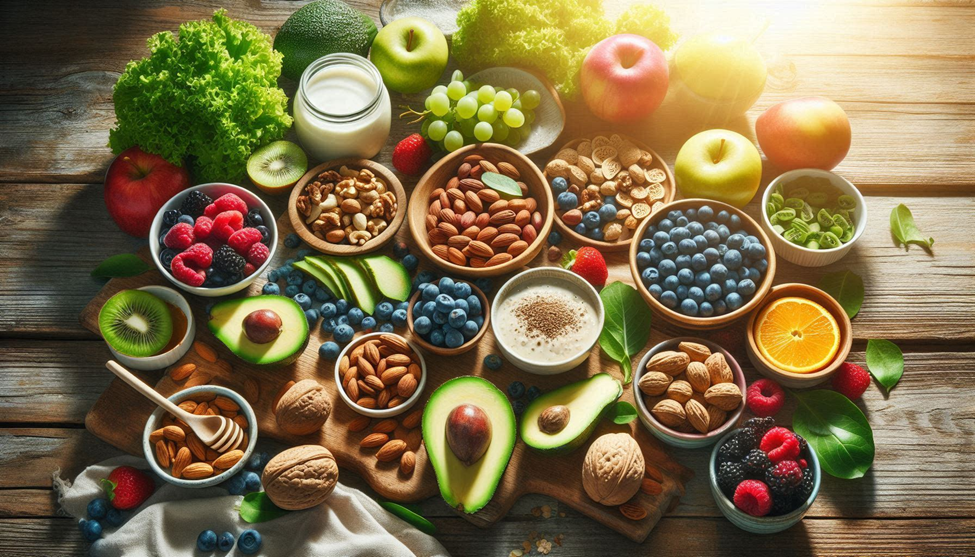
Dietary intake can directly influence dopamine availability and synthesis by providing precursors, cofactors, and modulator compounds. Evidence indicates that consuming nutrient-dense foods rich in protein, vitamins, minerals, and phytonutrients can optimize dopaminergic activity.
6.1 Proteins-Rich Foods
Proteins are critical sources of tyrosine and phenylalanine, the amino acids necessary for dopamine biosynthesis. Lean meats, fish, eggs, and dairy provide a complete amino acid profile. Plant-based sources such as soy, lentils, chickpeas, and quinoa supply these precursors, albeit in varying concentrations. Regular inclusion of these foods ensures sustained substrate availability for dopaminergic neurons.
6.2 Tyrosine- and Phenylalanine-Dense Foods
Specific foods have particularly high levels of these amino acids:
- Lean chicken and turkey
- Tuna and salmon
- Egg whites
- Pumpkin seeds, sesame seeds, and almonds
- Soy products (tofu, tempeh, edamame)
6.3 Antioxidant-Rich Fruits and Vegetables
Oxidative stress diminishes dopamine receptor sensitivity and accelerates neurotransmitter degradation. Fruits such as berries (blueberries, blackberries), citrus, and pomegranate provide polyphones that scavenge free radicals. Vegetables like spinach, kale, and broccoli contribute both antioxidants and micronutrients supporting enzyme cofactors.
6.4 Fermented Foods
Emerging research highlights the gut-brain axis, wherein gut micro biota influence neurotransmitter synthesis, including dopamine. Fermented foods such as yogurt, kefir, kamahi, and sauerkraut contain robotics that enhances intestinal health, potentially supporting systemic dopamine metabolism.
6.5 Omega-3 Fatty Acids
Dopamine receptor function relies on membrane fluidity, which is influenced by phospholipids composition. Omega-3 fatty acids (EPA and DHA) from fatty fish, flaxseeds, and walnuts improve receptor function and signaling efficiency, optimizing neurotransmission.
7. Foods and Habits That Impair Dopamine Signaling
Just as certain foods support dopamine synthesis, others can undermine it by depleting cofactors, generating oxidative stress, or inducing receptor down regulation.
7.1 Excessive Added Sugars and Refined Carbohydrates
High-sugar diets produce transient dopamine spikes followed by receptor desensitization. Chronic intake may blunt dopaminergic response, contributing to low motivation and reward deficiency.
7.2 Highly Processed and Fried Foods
Trans fats, excessive omega-6 fatty acids, and advanced glycation end-products negatively affect membrane integrity and receptor sensitivity, impairing neurotransmission.
7.3 Excessive Alcohol and Caffeine
While moderate caffeine supports alertness, chronic overconsumption can disrupt dopaminergic homeostasis. Alcohol impairs dopamine signaling by modifying receptor density and neurotransmitter release.
7.4 Nutrient Deficiency
Inadequate intake of B-vitamins, iron, magnesium, or amino acids impairs enzymatic reactions essential for dopamine synthesis, reducing mental drive and energy levels.
8. Meal Timing and Dopamine Optimization
Chrononutrition—aligning nutrient intake with circadian rhythms—affects neurotransmitter availability and cognitive performance.
8.1 Protein Distribution
Steady intake of protein throughout the day ensures a consistent supply of tyrosine and phenylalanine for dopamine synthesis. Over-reliance on a single high-protein meal may create short-term peaks with subsequent dips.
8.2 Breakfast and Dopaminergic Function
A balanced breakfast including protein, complex carbohydrates, and micronutrient-rich fruits primes dopaminergic pathways, enhancing alertness, attention, and mental drive during the morning.
8.3 Pre-Work and Study Nutrition
For acute cognitive or physical demand, tyrosine-rich snacks or meals 30–60 minutes prior to the activity can improve working memory, stress resilience, and executive function.
8.4 Avoiding Late-Night Overeating
Consuming high-sugar or high-fat meals late at night can interfere with dopamine receptor sensitivity and disrupt circadian regulation, impairing motivation and cognitive function the following day.
9. Integration with Lifestyle: Sleep, Exercise, and Stress Management
Diet alone is insufficient for optimal dopaminergic function. Lifestyle factors interact synergistically with nutrition to maintain mental drive.
9.1 Sleep
Dopamine receptors, particularly in the striatum, are downregulated with chronic sleep deprivation. Adequate sleep (7–9 hours) enhances receptor sensitivity and maintains neurotransmitter homeostasis.
9.2 Physical Activity
Exercise increases dopamine release, receptor density, and downstream signaling. Both aerobic and resistance training have been shown to enhance motivation, cognitive focus, and mood.
9.3 Stress Management
Chronic stress elevates cortical, which impairs dopamine synthesis and receptor function. Mindfulness, meditation, and structured relaxation techniques mitigate stress-induced dopaminergic deficits.
9.4 Synergistic Nutrition-Lifestyle Strategies
Combining protein-rich meals, micronutrient sufficiency, antioxidant intake, and regular exercise provides a multifaceted approach to sustaining dopamine balance. Integration with sleep hygiene and stress reduction maximizes petrochemical resilience.
10. Clinical and Practical Applications
Dopamine deficiency contributes to low motivation, attention deficits, mood disorders, and cognitive decline. While pharmacological interventions exist, nutritional strategies offer a foundational, non-invasive approach.
10.1 Subclinical Motivation Deficits
Individuals experiencing fatigue, low drive, or diminished executive function can benefit from a diet emphasizing tyrosine-rich proteins, B-vitamin sufficiency, antioxidants, and omega-3 fatty acids.
10.2 Mood Disorders and Cognitive Impairment
Emerging evidence suggests that dietary interventions supporting dopaminergic function may complement pharmacotherapy for depression, ADHD, and age-related cognitive decline.
10.3 Personalized Nutrition
Genetic polymorphisms in dopamine metabolism (e.g., COMT Val158Met) influence responsiveness to nutrient interventions. Individualized dietary planning, potentially informed by nutrigenomic analysis, can optimize dopamine synthesis and receptor function.
Conclusion
The dopamine deficiency diet emphasizes nutrient-rich, balanced eating to support dopamine synthesis, receptor sensitivity, and petrochemical homeostasis. By providing precursors, cofactors, and protective antioxidants, and by avoiding foods that blunt signaling, individuals can enhance motivation, focus, and mental resilience. Integration with sleep, exercise, and stress management amplifies dietary effects, positioning nutrition as a central pillar in sustaining mental drive.
This approach transcends simplistic “mood-boosting” diets by aligning biochemistry, lifestyle, and behavioral outcomes, offering a scientifically grounded roadmap for cognitive optimization and sustained motivation.
SOURCES
Firestorm, J. D. (2013). Role of Amino Acids in Neurotransmitter Synthesis and Function. Journal of Nutrition.
Lieberman, H. R. (2015). Tyrosine Supplementation and Cognitive Performance under Stress. Neuroscience & Biobehavioral Reviews.
Ashok, A. H. (2017). Dopamine and Motivation: Neurobiology and Clinical Implications. Nature Reviews Neuroscience.
Grace, A. A. (2016). Dopaminergic Regulation of Motivation and Reward. Frontiers in Neural Circuits.
Kennedy, D. O. (2011). B Vitamins and Cognitive Function: Role in Dopamine Synthesis. Nutritional Neuroscience.
Michaels, A. J. (2019). Vitamin C, Oxidative Stress, and Catecholamine Metabolism. Free Radical Biology & Medicine.
Guyenne, S. J. (2010). Regulation of Dopamine Neurotransmission by Diet and Metabolism. Trends in Neurosciences.
Firestorm, J. D., & Firestorm, M. H. (2007). Tyrosine, Phenylalanine, and Neurotransmitter Synthesis in Humans. Journal of Nutrition.
Rae, T. S. S. (2008). Omega-3 Fatty Acids and Dopaminergic Function. Current Opinion in Clinical Nutrition & Metabolic Care.
Grace, A. A., & Bunny, B. S. (1984). Neural Mechanisms of Dopamine Signaling. Brain Research Reviews.
Lassen, E. S. (2017). Gut Micro biota, Fermented Foods, and Dopamine Metabolism. Frontiers in Cellular Neuroscience.
Firestorm, J. D. (2012). Protein Intake and Neurotransmitter Precursor Availability. American Journal of Clinical Nutrition.
Jackson, P. L. (2016). Iron, Tyrosine Hydroxyls, and Dopaminergic Function. Journal of Neural Transmission.
Wang, G. J. (2004). Dopamine and Reward Deficiency Syndromes. NeuroImage.
Reid, K. J. (2012). Sleep, Circadian Rhythms, and Dopamine Regulation. Sleep Medicine Reviews.
Meuse, R., & De Mealier, K. (1995). Exercise, Tyrosine, and Dopamine Function. International Journal of Sports Medicine.
Blum, K. (2000). Nutritional Interventions for Reward Deficiency Syndrome. Journal of Psychoactive Drugs.
Kahn, D. D. (2002). Nutritional Modulation of Catecholamine’s in Mood Disorders. Nutritional Neuroscience.
Firestorm, M. H. (2015). Tyrosine, Phenylalanine, and Stress-Induced Cognitive Performance. Neuroscience Letters.
HISTORY
Current Version
Nov 05, 2025
Written By
ASIFA