Introduction
The gut barrier is a dynamic, multi-layered system that serves as the frontline between the external environment and the body’s internal milieu. Its integrity is essential for nutrient absorption, immune tolerance, microbial symbiosis, and systemic health. Barrier dysfunction is implicated in a wide array of conditions, including inflammatory bowel disease, metabolic disorders, autoimmune diseases, and even neurodegenerative processes. While much research has focused on diet, micro biota composition, and inflammation, an increasingly recognized determinant of gut barrier health is hormonal modulation. Sex steroids, glucocorticoids, thyroid hormones, and metabolic peptides dynamically influence barrier integrity through direct effects on epithelial cells, immune modulation, and interactions with the gut micro biome.
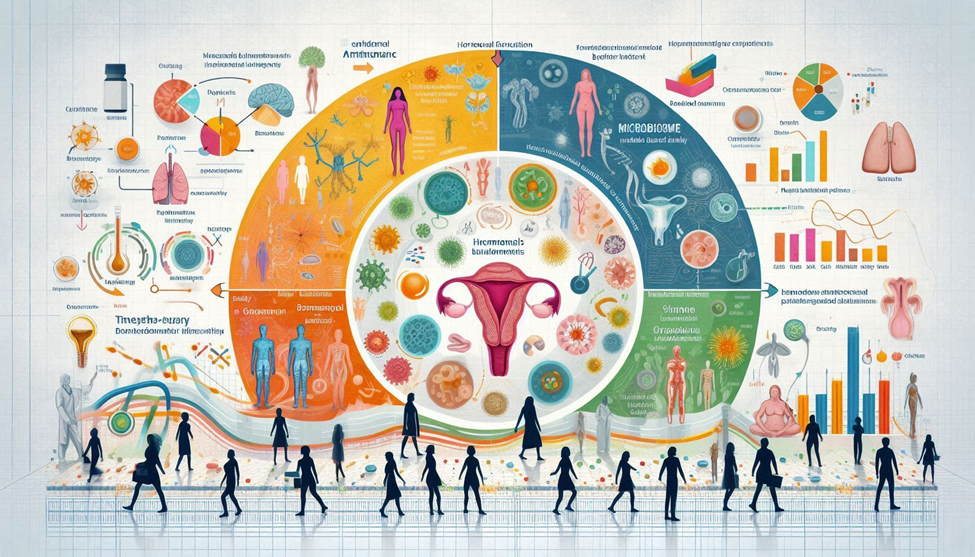
This guide explores the complex interplay between hormonal fluctuations and micro biome-mediated gut barrier regulation, providing mechanistic insights into how hormones modulate microbial ecology, epithelial physiology, and immune homeostasis. By understanding these interactions, we can better appreciate the physiological variability in barrier resilience across life stages differences, and endocrine conditions.
1. The Multilayered Gut Barrier: Structure and Functional Dynamics
The gut barrier is composed of multiple, interdependent layers:
- Mucus layer: Composed primarily of MUC2 mains, glycoproteins, and antimicrobial peptides, this layer protects the epithelium from mechanical and microbial insult.
- Epithelial cell monolayer: Includes entrecotes, goblet cells, Panetta cells, and enter endocrine cells, each contributing to nutrient absorption, mucus secretion, and immune signaling.
- Tight junctions and adherents junctions: Proteins such as ZO-1, occluding, Claudine, and E-adhering provide selective permeability and structural cohesion.
- Immune layer: Gut-associated lymphoid tissue (GALT) contains T and B lymphocytes, dendrite cells, macrophages, and Secretary Inga, forming an immune surveillance network.
- Micro biome habitat: The luminal microbial community interacts with the host epithelium and immune system to modulate barrier function and metabolic signaling.
The barrier’s functional stability relies on dynamic crosstalk between epithelial cells, immune populations, and the micro biome, all of which are sensitive to hormonal fluctuations.
2. Hormonal Influences on Gut Barrier Physiology
Hormones regulate gut barrier integrity through direct and indirect mechanisms. The principal hormonal modulators include:
2.1 Steroids (Estrogens, Progesterone, Androgens)
Sex hormones influence epithelial proliferation, mucosal thickness, immune tolerance, and microbial diversity.
- Estrogens
- Up regulate tight junction proteins (ZO-1, occluding, claudin-4).
- Promote mucus production via enhanced goblet cell differentiation.
- Modulate anti-inflammatory cytokines (IL-10, TGF-β) while suppressing pro-inflammatory mediators (IL-6, TNF-α).
- Enhance colonization of beneficial commensalism such as Lactobacillus spp., which in turn produce metabolites that strengthen barrier function.
- Progesterone
- Supports mucosal immune tolerance during pregnancy.
- Influences epithelial cell proliferation and turnover rates.
- Reduces epithelial permeability by modulating Claudine expression.
- Androgens
- Enhance epithelial proliferation through androgen receptor-mediated transcription.
- May indirectly modulate microbial composition, favoring butyrate-producing taxi that maintains tight junction integrity.
Sex hormone fluctuations during the menstrual cycle, pregnancy, and menopause profoundly affect micro biome composition and barrier resilience. For instance, estrogen declines in menopause are associated with increased intestinal permeability and symbiosis.
2.2 Glucocorticoids (Cortical)
Glucocorticoids have dual effects on the gut barrier:
- Acute cortical elevations: Suppress inflammation, reduce immune-mediated epithelial damage, and promote transient barrier stabilization.
- Chronic cortical elevations: Lead to epithelial apoptosis, reduced mucus thickness, decreased tight junction protein expression, and micro biome symbiosis.
- Cortical modulates microbial metabolism, favoring growth of pathobionts such as Enterobacteriaceae, which exacerbate barrier dysfunction.
The HPA axis therefore represents a critical link between stress, microbial dynamics, and epithelial integrity.
2.3 Thyroid Hormones (T3, T4)
Thyroid hormones influence basal metabolic rate and cellular energy production, which in turn affects gut barrier function:
- Promote epithelial proliferation and villas height.
- Modulate expression of tight junction proteins and mains.
- Influence microbial composition indirectly through changes in gut motility and luminal nutrient availability.
- Hypothyroidism is associated with delayed epithelial turnover, reduced mucus secretion, and symbiosis.
2.4 Metabolic Hormones (Insulin, GLP-1, Gherkin, Lepton)
- Insulin: Supports epithelial metabolism and barrier maintenance via nutrient-sensing pathways.
- GLP-1 (Glucagon-like peptide-1): Enhances epithelial survival and modulates inflammation.
- Gherkin: Promotes tight junction integrity and mucus secretion; has anti-inflammatory effects.
- Lepton: Influences immune cell activity in the lamina propriety; deregulated lepton signaling contributes to permeability and low-grade inflammation
3. Hormone-Micro biome Interactions
The gut micro biome both influences and responds to hormonal fluctuations, creating bidirectional crosstalk:
3.1 Microbial Modulation by Hormones
- Estrogen and progesterone increase colonization of Lactobacillus and Bifid bacterium, species known to produce short-chain fatty acids (SCFAs) that reinforce tight junctions.
- Cortical favors pathobiont overgrowth (e.g., Proteobacteria) and reduces microbial diversity.
- Thyroid hormones affect microbial enzymatic activity, influencing bile acid metabolism and luminal pH, which indirectly shapes barrier integrity.
3.2 Micro biome-Derived Metabolites and Barrier Function
- SCFAs (acetate, propionate, butyrate)
- Serve as energy substrates for colonocytes.
- Up regulate tight junction proteins via AMPK activation.
- Modulate cumin synthesis and anti-inflammatory signaling.
- Polyamines (putrescence, sperm dine, serine)
- Promote epithelial proliferation and autophagy.
- Stabilize tight junctions and mucus architecture.
- Insole derivatives from tryptophan metabolism
- Activate aryl hydrocarbon receptor (Air) pathways in epithelial cells.
- Enhance barrier function and immune tolerance.
- Bile acid metabolites
- Modulate FXR and TGR5 signaling in entrecotes.
- Influence tight junction expression and immune homeostasis.
Hormonal fluctuations alter the production of these metabolites, creating dynamic shifts in barrier resilience.
4. Mechanistic Pathways Linking Hormones, Micro biome, and Barrier Integrity
4.1 Tight Junction Regulation
- Estrogens increase ZO-1 and occluding expression via Era and Era signaling.
- Cortical and pro-inflammatory cytokines can down regulate tight junction proteins through NF-be activation.
- Micro biome-derived butyrate counteracts NF-be signaling, restoring tight junction stability.
4.2 Mucus Layer Modulation
- Progesterone and estrogen stimulate goblet cell differentiation via Notch and Want pathways.
- SCFAs produced by micro biota enhance MUC2 transcription.
- Symbiosis reduces SCFA availability, impairing mucus integrity.
4.3 Immune System Crosstalk
- Hormones modulate dendrite cell activity, Trig differentiation, and Inga production.
- Microbial metabolites influence hormone receptor expression in immune cells, creating a feedback loop.
- Balanced hormonal-micro biome interactions suppress pro-inflammatory Th17 activity, preventing barrier damage.
4.4 Epithelial Stem Cell Function and Renewal
- Estrogen and thyroid hormones increase stem cell proliferation via Want/β-catena pathways.
- Micro biota-derived polyamines and SCFAs enhance epithelial renewal and prevent senescence.
- Chronic cortical impairs stem cell function, leading to reduced barrier resilience.
5. Life Stage Variations in Hormone-Micro biome-Barrier Dynamics
5.1 Puberty and Adolescence
- Rising sex hormones promote epithelial proliferation and microbial diversity.
- Hormonal surges influence barrier maturation, SCFA production, and mucosal immunity.
5.2 Pregnancy
- Elevated progesterone and estrogen enhance mucus secretion and tight junction integrity.
- Micro biome shifts toward bifid bacterium and Lactobacillus species.
- Immune tolerance increases to protect the fetus, facilitated by microbial metabolite signaling.
5.3 Menopause and Andropause
- Declining sex hormones reduce tight junction protein expression and mucus layer thickness.
- Symbiosis may exacerbate barrier dysfunction.
- SCFA levels decline, reducing epithelial energy supply and anti-inflammatory signaling.
5.4 Aging
- Decreased sex hormones, altered thyroid function, and deregulated cortical rhythms compromise barrier integrity.
- Microbial diversity decreases; pathobionts increase.
- Polyamine production declines, impairing epithelial renewal and autophagy.
These changes collectively increase intestinal permeability and systemic inflammation.
6. Stress, Cortical, and Barrier Vulnerability
Chronic stress induces HPA axis activation, elevating cortical:
- Tight junction proteins are down regulated.
- Mucus secretion decreases.
- Microbial diversity diminishes; Proteobacteria and Enterobacteriaceae increase.
- Immune suppression leads to reduced Inga secretion.
Stress-related barrier dysfunction is often reversible with periodic/robotic interventions or polyamine-rich diets, highlighting the interaction between hormones and micro biome metabolites.
7. Therapeutic Implications
7.1 Nutritional Modulation
- Periodic fibers increase SCFA production.
- Polyamine-rich foods (wheat germ, mushrooms, and legumes) enhance epithelial renewal.
- Fermented foods boost beneficial microbial populations.
7.2 Hormonal Interventions
- Hormone replacement therapy may restore barrier integrity in postmenopausal women.
- Thyroid hormone optimization supports epithelial metabolism and microbial homeostasis.
7.3 Micro biome-Targeted Therapies
- Robotics (Lactobacillus, Bifid bacterium) strengthens tight junctions and mucus layers.
- Fecal micro biota transplantation (FMT) is being explored for severe barrier dysfunction.
7.4 Stress Management
- Behavioral interventions to reduce chronic cortical exposure help maintain barrier integrity.
- Meditation, exercise, and sleep regulation modulate HPA axis activity and microbial composition.
8. Integrative Model: Hormones, Micro biome, and Barrier Longevity
The gut barrier functions as a holistic, hormone-sensitive ecosystem:
- Hormones directly influence epithelial cells, immune populations, and microbial communities.
- Micro biome metabolites (SCFAs, polyamines, insoles, bile acids) mediate the barrier effects of hormones.
- Feedback loops exist: microbial metabolites influence hormonal signaling via enter endocrine cells, liver metabolism, and systemic immune modulation.
- Life-stage and sex-specific hormone fluctuations create temporal patterns of barrier resilience and vulnerability.
This integrated view underscores the need for precision nutrition and lifestyle interventions tailored to hormonal context to optimize gut barrier health.
9. Future Directions in Research
- Mapping hormone-specific microbial signatures that correlate with barrier function.
- Mechanistic studies linking sex hormones and polyamine metabolism in epithelial renewal.
- Longitudinal studies tracking menstrual, pregnancy, and menopausal transitions and barrier outcomes.
- Clinical trials evaluating combined hormone, diet, and micro biome interventions to prevent barrier dysfunction and systemic inflammation.
Conclusion
Hormonal fluctuations exert profound, multidimensional effects on gut barrier integrity, mediated both directly through epithelial and immune cells and indirectly through modulation of the micro biome. Sex steroids, glucocorticoids, thyroid hormones, and metabolic peptides influence tight junction expression, mucus production, stem cell renewal, and immune tolerance. Simultaneously, microbial communities respond to and modulate these hormonal signals, producing metabolites such as SCFAs, polyamines, insoles, and bile acid derivatives that reinforce epithelial resilience and suppress inflammation.
Life stage transitions—puberty, pregnancy, menopause, and aging—exemplify the dynamic interplay between hormones and micro biome-mediated barrier maintenance. Chronic stress, endocrine disorders, and symbiosis disrupt these interactions, leading to increased intestinal permeability, systemic inflammation, and susceptibility to metabolic and autoimmune conditions. Emerging therapeutic strategies targeting diet, microbial modulation, hormone optimization, and stress reduction offer avenues for restoring barrier function.
Integrating hormonal context with micro biome-targeted interventions represents a promising frontier in gut barrier research and clinical practice. By understanding the mechanistic pathways connecting endocrine fluctuations with microbial ecology and epithelial physiology, clinicians and researchers can develop precision approaches to preserve intestinal integrity, promote healthy aging, and prevent systemic disease.
SOURCES
Foster, J. A., 2017. “Gut micro biota and brain-gut communication: hormonal modulation.” Nature Reviews Neuroscience.
Org, E., 2016. “Sex differences and hormone-micro biome interactions in metabolic health.” Molecular Metabolism.
Mueller, S., 2006. “Sex hormones affect microbial composition in the gastrointestinal tract.” Gut.
Koran, O., 2012. “Host remodeling of the gut micro biome during pregnancy.” Nature.
Markel, J. G., 2013. “Sex differences in immune responses mediated by micro biota.” Science.
O’Hara, A. M., 2006. “The gut micro biome as an endocrine organ.” Nature Reviews Gastroenterology & Hematology.
Jašarević, E., 2016. “Sex hormones shape the gut micro biome across life stages.” Frontiers in Microbiology.
Vijay-Kumar, M., 2010. “Metabolic end toxemia, gut micro biota, and barrier dysfunction.” Cell Metabolism.
Arietta, M. C., 2006. “Alterations in intestinal permeability during inflammation and stress.” Gut.
Cain, P. D., 2007. “Gut micro biota and glucagon-like peptide-1 in barrier integrity.” Diabetes.
Kelly, J. R., 2015. “Micro biota and stress: hormonal pathways affecting gut function.” Trends in Neurosciences.
Cribs, S. K., 2012. “Thyroid hormones and gut barrier homeostasis.” Endocrinology.
Gibson, G. R., 2014. “Diet, micro biome, and hormonal modulation of gut barrier.” Current Opinion in Biotechnology.
Baker, J. M., 2017. “Estradiol impacts gut micro biota composition and barrier integrity.” American Journal of Physiology – Gastrointestinal.
Nugent, S. G., 2001. “Mucosal immune system and microbial modulation by sex steroids.” Gut.
Ouwehand, A. C., 2002. “Robotics and hormone-mediated gut barrier effects.” Journal of Nutrition.
Bengal, C., 2019. “Polyamines, estrogen, and epithelial renewal in the gut.” Frontiers in Immunology.
Reid, G., 2011. “Micro biota and hormonal crosstalk: implications for mucosal immunity.” Nature Reviews Microbiology.
Elian, E., 2011. “Host-micro biome interactions and endocrine regulation of barrier function.” Cell.
Zhou, L., 2016. “Glucocorticoid effects on epithelial tight junctions via micro biome metabolites.” Scientific Reports.
Kraus, D., 2020. “Hormonal influence on microbial metabolite production and barrier resilience.” Gut Microbes.
Ding, S., 2018. “Micro biome-derived SCFAs mediate estrogenic effects on the gut.” Cell Host & Microbe.
Kelly, C. J., 2015. “Micro biome, immune tolerance, and hormonal regulation.” Immunity.
Shula, R., 2021. “Sex steroid and micro biota interactions in intestinal inflammation.” Frontiers in Cellular and Infection Microbiology.
Hsu, T. H., 2020. “Endocrine modulation of gut barrier functions through microbial metabolites.” Trends in Endocrinology & Metabolism.
HISTORY
Current Version
Nov 18, 2025
Written By
ASIFA