1. The Ancient Link between Fermentation and Immunity
Fermentation is one of the oldest biotechnological practices known to humankind. Long before the advent of refrigeration, fermentation served as a method of food preservation — but its health effects extend far beyond storage. Ancient cultures from Korea to the Mediterranean recognized that fermented foods not only nourished but fortified the body’s resilience against disease. Modern science now confirms what tradition intuited: fermentation profoundly modulates the immune system, shaping both innate and adaptive immune responses through biochemical and microbiological transformations.
The immune system operates as a dynamic network — a symphony of cells, signaling molecules, and microbial interactions. Within this complexity, the gut plays a central role. Nearly 70% of the immune system resides in the gut-associated lymphoid tissue (GALT), forming the body’s primary defense interface with the outside world. Fermented foods, rich in live microorganisms, bioactive peptides, and metabolic by-products, act as immune educators, training the gut ecosystem to balance tolerance and defense.
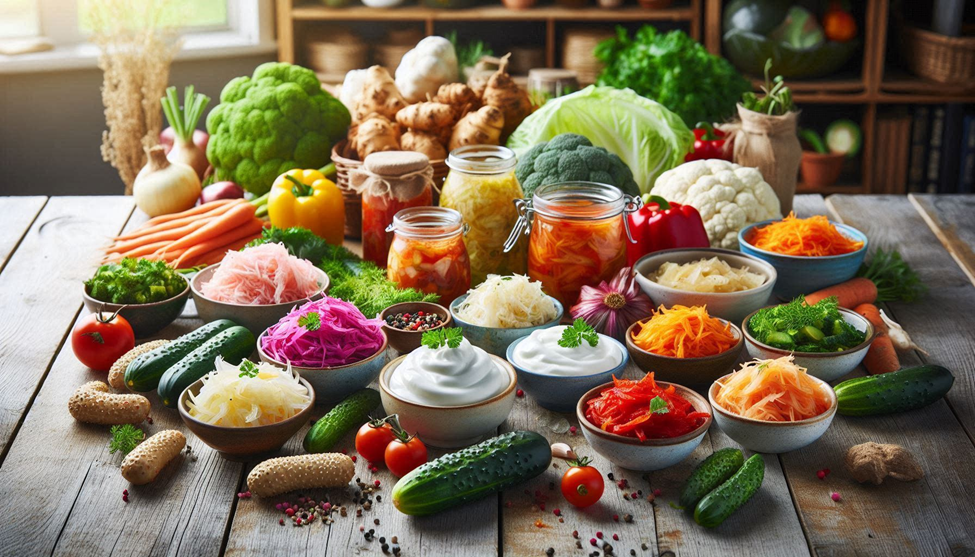
From kamahi, kefir, yogurt, miss, sauerkraut, and kombucha, each fermented food introduces a unique microbial signature and metabolic fingerprint. Together, they modulate inflammation, enhance mucosal immunity, and strengthen the gut barrier — collectively supporting the body’s capacity for immune homeostasis.
2. The Microbial Ecology of Fermentation
Fermentation is fundamentally an act of controlled microbial transformation. Bacteria, yeasts, and molds convert raw substrates into nutritionally and functionally enhanced foods. The dominant players in most fermented foods are lactic acid bacteria (LAB), primarily of the genera Lactobacillus, Leuconostoc, Lactococcus, and Streptococcus. Yeasts such as Saccharomyces cerevisiae and molds like Aspergillus oryzae also play vital roles in specific fermentations.
These microbes generate a diverse spectrum of metabolites — organic acids, bacteriocins, exopolysaccharides, peptides, vitamins, and polyphone derivatives — that contribute to both flavor and immunological function. Notably:
- Lactic acid and short-chain fatty acids (SCFAs) create an acidic environment that favors beneficial bacteria while suppressing pathogens.
- Exopolysaccharides act as immunomodulatory agents, influencing cytokine production.
- Bacteriocins exhibit antimicrobial activity that helps maintain microbial balance in the gut.
- Bioactive peptides derived from protein hydrolysis may bind to immune receptors, influencing inflammatory signaling.
This microbial choreography transforms ordinary foods into biofunctional immunonutrients — a living pharmacy of immune-regulating compounds.
3. Gut Micro biota as the Immune Interface
The gut micro biota forms an intricate ecosystem that communicates directly with the immune system. The balance between commensally and pathogenic bacteria determines immune tone — whether the body is in a state of tolerance or inflammation. Symbiosis (microbial imbalance) can trigger immune dysfunction, contributing to allergies, autoimmunity, and chronic inflammatory diseases.
Fermented foods act as microbial educators, introducing beneficial strains that interact with gut receptors such as Toll-like receptors (TLRs) and NOD-like receptors (NLRs). These interactions stimulate pathways that:
- Increase Secretary Inga production, enhancing mucosal defense.
- Induce regulatory T-cells (Trigs) that suppress excessive inflammation.
- Up regulate anti-inflammatory cytokines (e.g., IL-10).
- Improve the gut epithelial barrier, reducing translocation of toxins and pathogens.
Through these mechanisms, fermented foods help maintain immune equilibrium — stimulating defense when needed, but promoting tolerance to avoid over activation.
4. The Immunobiotics Concept
The term “immunobiotics” describes robotic strains specifically characterized by their ability to modulate immune function. Unlike general robotics that focuses on digestive benefits, immunobiotics are selected for their impact on cytokine balance, antiviral defense, and mucosal immunity.
Species such as Lactobacillus rhamnosus GG, Lactobacillus plant arum, bifid bacterium brave, and Lactobacillus casein Shirt have demonstrated immune-regulating capacities:
- L. rhamnosus GG enhances NK cell cytotoxicity and interferon-γ production.
- L. plant arum promotes T-helper cell differentiation toward an anti-inflammatory Th2 profile.
- B. brave supports the development of Trigs that suppress allergic inflammation.
- L. casein Shirt reduces the duration of upper respiratory infections in clinical studies.
When delivered through fermented foods rather than capsules, these organisms engage in a matrix synergy — their immunobiotic effects are amplified by co-metabolites, peptides, and fiber interactions within the food structure.
5. Mechanistic Pathways: How Fermented Foods Talk to the Immune System
Immune modulation by fermented foods involves multiple intersecting pathways:
5.1. Microbial–Immune Crosstalk
Commensally and robotic microbes interact with intestinal dendrite cells and macrophages via pattern recognition receptors (PRRs), triggering downstream cascades that influence cytokine profiles and antibody production.
5.2. Barrier Enhancement
Fermented foods reinforce tight junction proteins (occluding, Claudine) within intestinal epithelial cells, preventing leaky gut and systemic inflammation. The result is an improved mucosal boundary that filters toxins and antigens.
5.3. Metabolite Signaling
Fermentation-derived SCFAs (acetate, propionate, and butyrate) act as immune messengers. Butyrate, in particular, promotes differentiation of regulatory T-cells and down regulates pro-inflammatory NF-be activity.
5.4. Antioxidant and Detoxification Effects
Fermented foods increase levels of bioavailable polyphones and glutathione, which neutralize oxidative stress — a known driver of immune dysfunction.
5.5. Epigenetic Modulation
Emerging evidence shows that microbial metabolites can influence his tone acetylating and DNA methylation, subtly reprogramming immune gene expression toward tolerance and resilience.
These layered mechanisms underscore that immune modulation is not a single event but a multi-systemic symphony — a coordinated dialogue between microbes, metabolites, and host cells.
6. Fermented Foods across Global Traditions and Their Immune Roles
6.1. Yogurt and Kefir (Western & Middle Eastern Traditions)
Yogurt contains Lactobacillus delbrueckii and Streptococcus thermopiles, which enhance gut barrier function and reduce inflammation. Kefir, a symbiotic culture of bacteria and yeasts, offers broader microbial diversity — linked to improved mucosal immunity and reduced allergic responses.
6.2. Kim chi and Sauerkraut (Korean and European Ferments)
Rich in Lactobacillus plant arum and Leuconostoc mesenteries, these vegetable ferments produce bioactive compounds that suppress inflammatory cytokines and modulate macrophage activation. Kim chi consumption correlates with reduced respiratory infections and improved NK cell activity.
6.3. Miss and Tempe (Japanese and Indonesian Ferments)
Fermented soy products generate isoflavone derivatives and peptides with immunomodulatory effects. Miss, produced by Aspergillums oryzae, supports intestinal immune maturation and antioxidant defense.
6.4. Kampuchea (Fermented Tea)
Its combination of organic acids and polyphones yields antiviral and anti-inflammatory effects, enhancing macrophage responsiveness and detoxification pathways.
6.5. Fermented Dairy and Plant Beverages
Modern innovations, such as plant-based yogurts and fermented oat drinks, use lactic acid bacteria to deliver similar immunobiotic effects for lactose-intolerant or vegan populations.
Each tradition contributes to the global immune repertoire, demonstrating how cultural fermentation practices prefigured micro biome science long before molecular biology caught up.
7. Fermentation-Derived Postbiotics: The Silent Immunoregulators
While live microbes receive most attention, non-viable bacterial components and their metabolic by-products — known as postbiotics — are increasingly recognized for their immunological value. These include:
- Cell wall fragments (peptidoglycans, lipoteichoic acids) that activate innate immunity.
- Bacterial lists that train immune cells in mucosal defense.
- Metabolites such as butyrate and tryptophan derivatives that shape adaptive immunity.
Unlike robotics, postbiotics are stable, safe, and quantifiable, making them ideal for functional foods. They act as immune training agents, promoting resilience even in individuals with compromised gut micro biota.
8. Clinical Evidence: Fermented Foods and Immune Outcomes
Numerous clinical trials substantiate the immunomodulatory potential of fermented foods:
- Lactic-fermented milk reduced incidence of upper respiratory tract infections in schoolchildren (Makino et al., 2018).
- Kimchi supplementation improved natural killer cell activity and antioxidant status (Choy et al., 2020).
- Kefir consumption enhanced Inga and Gig levels in athletes undergoing intensive training (Vinderola et al., 2019).
- Miso intake correlated with lower risk of allergic sensitization (Nagata et al., 2017).
- Fermented vegetables increased gut microbial diversity and reduced inflammatory markers in adults (Wastyk et al., 2021).
Collectively, these findings suggest that fermented foods train and temper immune function, bridging innate and adaptive immunity for systemic resilience.
9. Fermentation and the Inflammatory Cascade
Chronic low-grade inflammation underpins many modern diseases — from metabolic syndrome to depression. Fermented foods modulate this cascade at multiple points:
- Inhibit pro-inflammatory cytokines (TNF-α, IL-6).
- Activate anti-inflammatory mediators (IL-10, TGF-β).
- Reduce C-reactive protein (CRP) and oxidative stress biomarkers.
- Enhance intestinal barrier integrity, lowering systemic endotoxin exposure.
Through these actions, fermented foods serve as nutritional immunoregulators, offering dietary means to restore immunological balance.
10. The Gut–Brain–Immune Axis: A Triangular Dialogue
Recent research reveals that immunity is not an isolated process — it’s intertwined with mood, cognition, and stress resilience. The gut–brain–immune axis represents this multidirectional communication.
Fermented foods influence neurotransmitter pathways by:
- Producing GABA, serotonin precursors, and short-chain fatty acids that calm neuroinflammation.
- Reducing stress-induced immune suppression via microbial vague nerve signaling.
- Enhancing resilience to infection by stabilizing neuroendocrine responses.
Thus, immune modulation through fermented foods extends beyond infection control — it encompasses psychoneuroimmunological balance.
11. Fermented Foods in Immunotherapy and Disease Prevention
Emerging studies suggest a synergistic role for fermented foods in disease management:
- Allergy prevention: Early introduction of fermented dairy reduces atopic risk in children.
- Viral defense: Fermented products enhance interferon response to influenza and common cold viruses.
- Autoimmunity modulation: Certain Lactobacillus strains support Trig activity, beneficial in rheumatoid arthritis and IBD.
- Cancer immunonutrition: Fermented soy and dairy peptides stimulate immune surveillance and inhibit tumor-promoting inflammation.
While not a substitute for clinical therapy, fermented foods act as immune adjuvant, improving baseline immune readiness and therapeutic outcomes.
12. Modern Biotechnological Advances in Fermentation Science
Biotechnology has ushered fermentation into a new era of precision immunonutrition. Innovations include:
- Targeted starter cultures engineered for cytokine modulation.
- Controlled fermentation optimizing production of SCFAs, γ-amino butyric acid, and immunopeptides.
- Symbiotic formulations combining robotics with periodic substrates to enhance immune signaling.
- Met genomic screening to identify next-generation immunobiotic strains.
Such approaches merge ancient tradition with genomic intelligence, transforming fermentation into a scientifically optimized immunotherapy platform.
13. Personalized Immune Nutrition: The Micro biome Signature Approach
Not everyone responds to the same fermented food equally. The effectiveness of immune modulation depends on individual micro biome composition, genetic polymorphisms, and dietary context.
AI-driven nutrigenomic platforms now analyze stool and blood biomarkers to tailor fermented food intake — for example, recommending kefir for low SCFA producers or miss for antioxidant deficiency.
This represents the emergence of personalized immunonutrition — precision dietary strategies built around microbial individuality.
14. Safety, Quality, and Regulatory Considerations
While generally safe, fermented foods require microbiological vigilance. Contamination, excessive biogenic amine production, or uncontrolled fermentation may pose risks. Standardization and regulatory frameworks ensure safety without compromising microbial diversity.
Health claims related to immunity must be substantiated by robust clinical evidence. Regulatory agencies (e.g., EFSA, FDA, and WHO) emphasize validated mechanisms, defined strains, and reproducible outcomes.
Conclusion
Fermented foods embody the marriage of microbial intelligence and human immunity. They are not mere condiments or culinary relics — they are living ecosystems that teach the immune system how to coexist, communicate, and adapt.
In an age marked by immune deregulation, antibiotic overuse, and micro biome depletion, fermented foods offer a natural counterbalance — a way to retrain our immunity through daily nourishment. The key insight of modern immunonutrition is that health is not only about feeding the body but about educating the microbes that protect it.
Through centuries of evolution, fermentation has remained humanity’s most sophisticated immune training program — a biological conversation between human cells and microbial allies that continues to define our resilience in the modern world.
SOURCES
Hill et al., 2014 – The Robotic Definition Framework and Immune Health Implications.
Makino et al., 2018 – Lactic Acid Bacteria and Upper Respiratory Tract Immunity in Children.
Choy et al., 2020 – Kim chi Intake and Natural Killer Cell Activity.
Nagata et al., 2017 – Fermented Soy Products and Allergy Risk Reduction.
Waste et al., 2021 – Gut Microbial Diversity Increase with Fermented Foods.
Vinderola et al., 2019 – Kefir and Immunoglobulin Response in Athletes.
Suez et al., 2019 – Probiotics, Postbiotics, and Immune Tolerance.
Marco et al., 2017 – Microbial Ecology of Fermented Foods and Health.
Yamamoto et al., 2020 – Immunobiotics: The Future of Robotic Immunology.
Matsumoto et al., 2018 – Gut Micro biota and Intestinal Barrier Regulation by Fermented Foods.
Fukuda et al., 2011 – TLR Signaling and Robotic Immune Crosstalk.
Zhao et al., 2022 – Short-Chain Fatty Acids and Epigenetic Immune Modulation.
Liu et al., 2020 – Post biotic Compounds and Their Immunoregulatory Effects.
Blaser, 2018 – The Microbiome as an Immune Organ.
Rezac et al., 2018 – Fermentation Metabolites and Antioxidant Activity.
Li et al., 2021 – Fermented Foods and Gut–Brain–Immune Axis.
Wang et al., 2022 – Cytokine Modulation by Lactic Acid Bacteria.
Bienenstock & Forsythe, 2020 – Neuroimmune Communication via Microbes.
Cain & Averred, 2016 – Gut Barrier Function and Immunity.
Round & Tasmanian, 2009 – Commensally Microbes and Immune Homeostasis.
Tanaka et al., 2021 – Fermented Soy Peptides in Anti-inflammatory Response.
Chine et al., 2020 – Immunonutrition and Micro biota Interactions.
Marco & Tachyon, 2013 – Fermentation and Immune Health Review.
Joe et al., 2019 – Kim chi-Derived Lactobacillus and Antiviral Immunity.
Belk aid & Hand, 2014 – The Role of the Micro biota in Immunity and Inflammation.
HISTORY
Current Version
Nov 08, 2025
Written By
ASIFA