1. Introduction: The Biology of Skin Pigmentation
Skin pigmentation is a highly complex and evolutionarily conserved trait, serving multiple physiological functions including photo protection, UV defense, thermoregulation, and social signaling. At the biochemical core of pigmentation lies melanin, a heterogeneous biopolymer produced by melanocytes located in the basal layer of the epidermis. Melanin primarily exists in two forms: eumelanin, a brown-black pigment that offers strong photo protective properties, and pheomelanin, a yellow-red pigment that provides comparatively less UV protection. The ratio and distribution of these melanin types dictate skin tone, UV resilience, and susceptibility to photo damage.
While genetic polymorphisms, hormonal regulation, and environmental exposures such as sunlight remain the principal determinants of pigmentation, accumulating evidence underscores the crucial role of nutrition in modulating melanogenesis. Nutrients can act as substrates, enzymatic cofactors, or regulatory modulators within the melanogenic pathway. Amino acids like tyrosine and phenylalanine serve as direct precursors for melanin synthesis, while trace minerals including copper and zinc are indispensable cofactors for tyrosine’s, the rate-limiting enzyme responsible for converting tyrosine into dopaquinone, a melanin intermediate. Additionally, antioxidants such as vitamins C and E, arytenoids, and polyphones protect melanocytes from oxidative stress, preventing enzyme inactivation and preserving pigment stability.
The implications of nutrition-mediated pigmentation extend beyond aesthetics. Optimized melanin synthesis enhances the skin’s UV defense, reduces the incidence of sunburn, mitigates photo aging, and may lower the long-term risk of coetaneous malignancies. Nutritional interventions that support melanocyte function can also influence pigmentation homogeneity, improve skin photo stability, and synergize with dermatological treatments for conditions such as vitiligo or hyper pigmentation. By integrating dietary strategies with traditional clinical care, clinicians can adopt a holistic approach to skin pigmentation, simultaneously addressing protective, functional, and aesthetic outcomes.
2. Melanin Biosynthesis Pathways
2.1 Tyrosine-Melanin Pathway
Melanin synthesis is initiated by the amino acid L-tyrosine, derived either directly from the diet or from phenylalanine via phenylalanine hydroxyls. Within melanocytes, tyrosine undergoes oxidation catalyzed by tyrosines, forming dopaquinone, the central intermediate of melanin production. From dopaquinone, two primary pathways diverge:
- Eumelanin synthesis: Leads to brown or black pigment formation via dihydroxyindole intermediates, offering strong photo protective properties.
- Pheomelanin synthesis: Requires the presence of cytokine, yielding yellow-red pigments that provide limited UV protection.
The balance between eumelanin and pheomelanin is influenced by genetic factors (e.g., MC1R variants), hormonal regulation, and availability of dietary cofactors such as copper, which directly affects tyrosinase activity.
2.2 Regulatory Factors
Key regulators of melanogenesis include:
- Microphthalmia-associated transcription factor (MITF): Master transcription factor controlling tyrosinase, TYRP1, and TYRP2 expression.
- Alpha-melanocyte-stimulating hormone (α-MSH): Binds MC1R on melanocytes, activating cyclic AMP signaling to enhance eumelanin synthesis.
- Hormonal modulators: Estrogens, progesterone, and thyroid hormones can influence melanocyte activity and pigmentation intensity.
Environmental factors, including UV exposure, act synergistically with these pathways, inducing melanogenesis via oxidative stress signaling and DNA damage response mechanisms.
3. Nutrient Modulators of Melanin Production
3.1 Amino Acids
- Tyrosine and phenylalanine: Direct precursors for melanin synthesis. Dietary intake influences melanogenesis, particularly under conditions of high metabolic demand or stress.
- Cysteine: Required for pheomelanin synthesis; excessive cytokine can shift melanogenesis toward yellow-red pigment formation.
3.2 Vitamins
- Vitamin A (retinoid): Regulates melanocyte differentiation and proliferation, modulating pigmentation patterns.
- Vitamin C: Reduces oxidized dopaquinone, favoring eumelanin stabilization and preventing melanocyte oxidative damage.
- Vitamin D: Influences melanocyte signaling and may modulate UV-induced pigmentation.
- Vitamin E: Protects melanocytes from lipid per oxidation, preserving cell membrane integrity and enzyme activity.
3.3 Minerals
- Copper: Essential cofactor for tyrosinase; deficiency reduces melanin production, leading to hypo pigmentation.
- Zinc: Involved in DNA repair, antioxidant defense, and enzyme stabilization within melanocytes.
- Selenium: Protects against oxidative stress, supporting melanocyte survival and function.
3.4 Polyphones and Antioxidants
Dietary polyphones from green tea, berries, and dark chocolate influence melanogenesis via:
- Antioxidant protection of melanocytes.
- Modulation of intracellular signaling pathways, including MAPK and camp pathways.
- Inhibition or stimulation of tyrosinase activity depending on molecular structure.
4. Dietary Patterns and Pigmentation
4.1 Melanin Precursors in Foods
Foods rich in tyrosine and phenylalanine include:
- Dairy products: milk, cheese, yogurt.
- Legumes: soy, lentils, chickpeas.
- Eggs and lean meats.
These substrates are critical for enzymatic melanin synthesis, particularly in populations at risk of deficiency or hypo pigmentation.
4.2 Antioxidant-Rich Foods
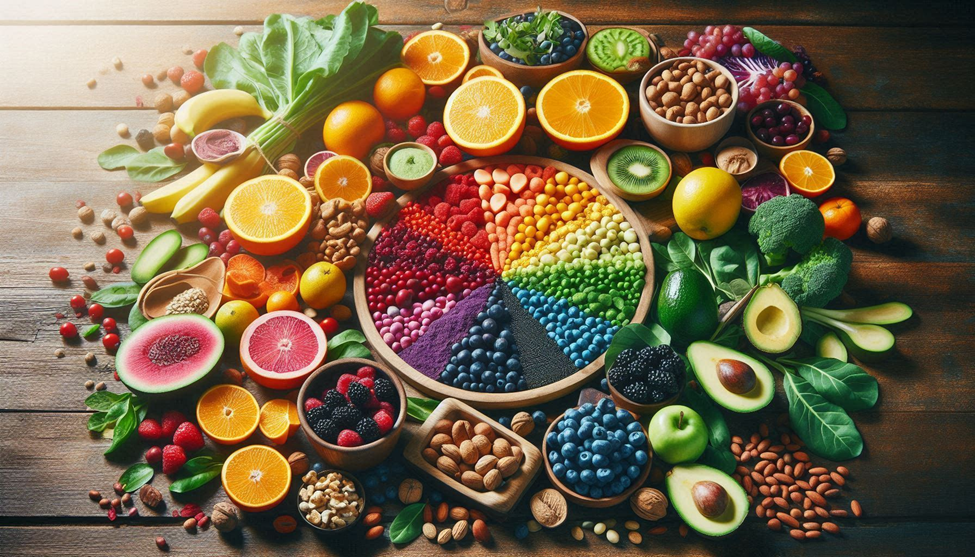
Fruits and vegetables high in vitamin C, arytenoids, and polyphones support melanocyte health and stabilize melanin intermediates:
- Citrus fruits: oranges, lemons.
- Berries: blueberries, strawberries, blackberries.
- Leafy greens: spinach, kale.
- Colorful vegetables: carrots, peppers, tomatoes.
4.3 Traditional Diets and Pigmentation
Certain cultural dietary patterns, such as Mediterranean diets rich in olive oil, nuts, and vegetables, have been associated with enhanced skin health and pigment uniformity, possibly due to synergistic antioxidant effects and provision of melanogenic cofactors.
5. Hormonal and Signaling Influences
Melanin synthesis is tightly coupled to endocrine and peregrine signals:
- MC1R and α-MSH signaling: Activates adenylate cycles, increasing camp and up regulating MITF and tyrosinase.
- Thyroid hormones: Modulate melanocyte proliferation and enzymatic activity, linking systemic metabolic state to pigmentation.
- Sex hormones: Estrogen and progesterone influence melanocyte distribution and melanin density, accounting for pigmentation changes during pregnancy and menstrual cycles.
Nutrition can modulate these pathways indirectly. For example, dietary zinc and selenium support hormone receptor stability and enzymatic function, enhancing pigmentation efficiency.
6. Clinical Implications
The modulation of sebum fatty acid profiles through targeted nutrition has significant clinical relevance for dermatology and skin health. Acne vulgarism, one of the most common sebaceous disorders, is closely linked to both sebum quantity and composition. Altering dietary intake of essential fatty acids, particularly increasing linoleum acid and omega-3 polyunsaturated fatty acids can reduce pro-inflammatory lipid mediators in sebum, decrease come done formation, and attenuate inflammatory lesions. High-glycolic diets, which elevate insulin and IGF-1 signaling, have been shown to increase palmitoleic and other pro-inflammatory fatty acids in sebum, suggesting dietary carbohydrate modulation as an adjunct therapy.
Beyond acne, sebaceous lipid composition influences barrier function, microbial colonization, and oxidative stress, affecting conditions such as rosaceous, seborrhea dermatitis, and sensitive skin syndromes. Nutrients with antioxidant properties—such as vitamin E, selenium, and arytenoids—can prevent lipid per oxidation in sebum, mitigating local inflammation and oxidative damage. Micronutrients like zinc and vitamin A further regulate sebocyte proliferation and differentiation, providing a multi-layered approach to managing sebaceous disorders.
6.1 Hyper pigmentation
Excessive melanin synthesis manifests as miasma, lenities, or post-inflammatory hyper pigmentation. Nutritional strategies to mitigate overproduction include:
- Reducing excessive tyrosine or phenylalanine intake in certain contexts.
- Enhancing antioxidant consumption to reduce oxidative activation of tyrosinase.
- Supporting liver function and detoxification through polyphone-rich foods, which may modulate melanogenic signaling.
6.2 Hypo pigmentation
Conditions such as vitiligo or albinism can benefit from:
- Adequate dietary tyrosine, phenylalanine, and cytokine.
- Micronutrients: copper, zinc, selenium, and vitamins A, C, D, and E.
- Protective dietary antioxidants to preserve residual melanocyte function.
6.3 Photo protection and Anti-Aging
Optimal melanin production reduces UV-induced oxidative damage, contributing to:
- Prevention of photo aging.
- Reduced risk of sunburn and DNA damage.
- Enhanced overall skin resilience, particularly when combined with dietary antioxidants and polyphenols.
7. Micro biome and Skin Pigmentation
Emerging research highlights the critical role of the gut micro biome in modulating skin pigmentation through its production of bioactive metabolites. Short-chain fatty acids (SCFAs), generated from microbial fermentation of dietary fiber, exert systemic anti-inflammatory effects and influence melanocyte activity by regulating oxidative stress and intracellular signaling pathways that control melanin synthesis. Additionally, microbial metabolism of polyphenols and flavonoids produces bioactive compounds capable of modulating enzymatic function within melanocytes, enhancing melanin stability, and supporting photo protective mechanisms. Diet-induced shifts in microbial composition can therefore alter systemic inflammation, oxidative stress levels, and melanogenic responses, demonstrating a dynamic gut-skin axis. Incorporating functional foods rich in prebiotics, polyphenols, and robotics may indirectly enhance pigmentation outcomes by increasing antioxidant availability, optimizing nutrient absorption, and supporting the regulatory networks that preserve melanocyte health and functionality, thereby contributing to both skin resilience and aesthetic pigmentation balance.
8. Experimental Evidence
8.1 Human Studies
- Nutrient supplementation studies demonstrate that copper, tyrosine, and vitamin C intake enhances pigmentation or reduces oxidative stress in melanocytes.
- Observational studies link antioxidant-rich diets to more uniform skin tone and improved photo protection.
8.2 Animal Models
- Rodent studies show dietary tyrosine supplementation increases eumelanin deposition in hair and skin.
- Polyphone interventions modulate melanocyte activity, tyrosinase expression, and oxidative resilience.
8.3 Limitations and Methodologies
- Inter-individual variability in genetics, gut micro biome, and baseline nutrient status affects outcomes.
- Advanced methodologies, including organotypic skin models, single-cell sequencing, and metabolomics, are refining mechanistic insights.
9. Future Directions
- Nutrigenomics: Personalized diets based on genetic predispositions affecting pigmentation pathways.
- Functional foods and nutraceuticals: Development of compounds targeting melanogenic enzymes.
- Micro biome-targeted interventions: Leveraging robotics and prebiotics to influence systemic pigmentation.
- Integrated lifestyle strategies: Combining diet, UV exposure moderation, and antioxidant intake for optimal skin health.
- Precision dermatology: Tailoring interventions for hyper pigmentation or hypo pigmentation based on metabolic, nutritional, and genetic profiles.
Conclusion
Nutrition plays a central and multifaceted role in melanin synthesis and overall skin pigmentation, influencing not only the quantity and quality of pigment but also its distribution, photo protective capacity, and contribution to skin health. At the most fundamental level, substrate availability—particularly the presence of key amino acids such as tyrosine and phenylalanine—directly determines the capacity of melanocytes to synthesize melanin. Without sufficient precursors, the melanogenic pathway becomes limited, reducing pigment production and potentially altering the balance between eumelanin and pheomelanin, which has downstream effects on UV protection and skin coloration.
Beyond substrate supply, the presence of cofactors is essential for enzymatic efficiency. Trace minerals like copper, zinc, and selenium support tyrosinase activity, maintain cellular redo balance, and stabilize the structural integrity of melanogenic enzymes. Vitamins, particularly A, C, D, and E, further modulate these pathways by supporting melanocyte differentiation, protecting against oxidative stress, and regulating signaling mechanisms that influence enzyme expression and melanogenic transcription factors such as MITF.
Antioxidant protection is another critical layer through which diet modulates pigmentation. Oxidative stress can impair melanocyte function, damage melanosomes, and disrupt pigment deposition. Nutrients with antioxidant properties—including polyphenols, arytenoids, and flavonoids—mitigate these effects, preserving melanocyte viability and promoting optimal pigment synthesis.
Furthermore, nutrition influences hormonal and signaling pathways that regulate melanogenesis. Nutrients affect the activity of the α-MSH/MC1R axis, thyroid hormone signaling, and other modulator networks, enabling dynamic adaptation to environmental stimuli such as UV exposure.
Collectively, amino acids, vitamins, minerals, polyphenols, and broader dietary patterns interact in a synergistic manner, shaping pigmentation outcomes with profound implications for photo protection, skin integrity, and aesthetic appearance. A nuanced understanding of these interactions allows for the application of precision nutrition strategies in dermatology, offering tailored dietary and lifestyle interventions to enhance skin resilience, prevent pigmentation disorders, and optimize overall coetaneous health
SOURCES
Slominski et al., 2004 – Melanin biosynthesis pathways in human skin.
Fitzpatrick, 2011 – The physiology of skin pigmentation.
Lin & Fisher, 2007 – MITF and transcriptional regulation of melanogenesis.
Costing & Hearing, 2007 – Human skin pigmentation: tyrosinase and enzymatic regulation.
Hearing, 2011 – Enzymatic cofactors and melanogenesis.
Wang et al., 2016 – Amino acid influence on melanocyte function.
Yamaguchi et al., 2007 – Tyrosinase regulation and melanogenesis.
Slominski et al., 2005 – α-MSH and MC1R signaling.
Ando et al., 2007 – UV-induced melanogenesis pathways.
Peavey et al., 2012 – Antioxidants in skin health and pigmentation.
Dell ‘Anna et al., 2010 – Role of copper and zinc in melanin synthesis.
Stahl et al., 2001 – Vitamin C and E in melanocyte protection.
Smite et al., 2009 – Dietary influences on human pigmentation.
Clemens et al., 2012 – Polyphenols and tyrosinase modulation.
D’Orazio et al., 2013 – Melanin and photo protection.
Zhang et al., 2015 – Nutrient supplementation and melanin production.
García-Borrón & Olivares Sanchez, 2011 – MC1R signaling and skin pigmentation.
Slominski et al., 2012 – Hormonal modulation of melanogenesis.
Li et al., 2014 – Gut-skin axis and pigmentation regulation.
Brenner & Hearing, 2008 – Pheomelanin vs. eumelanin in photo protection.
Yamaguchi et al., 2006 – Role of cytokine in melanin synthesis.
Solano, 2014 – Tyrosinase inhibitors and melanogenesis.
Lin et al., 2016 – Genetic variation in melanogenic pathways.
Slominski & Pawley, 1998 – Evolutionary perspective on melanin and nutrition.
HISTORY
Current Version
Nov 15, 2025
Written By
ASIFA