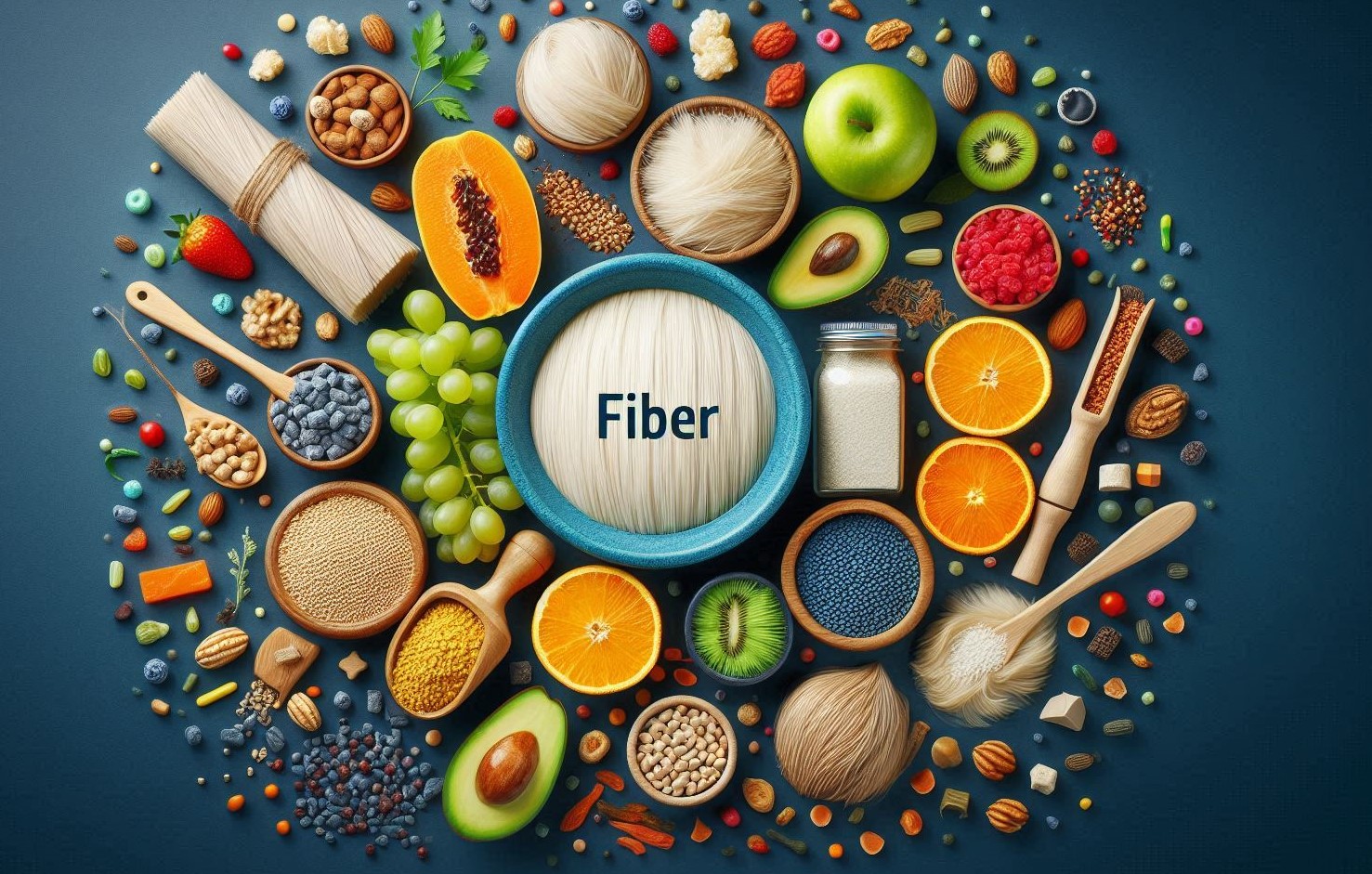
In the ever-evolving landscape of nutrition, few nutrients have maintained as consistent and resounding an endorsement from the scientific community as dietary fiber. Often lauded as essential for digestive health, its benefits extend far beyond, influencing everything from heart disease risk to blood sugar control and weight management. Yet, despite its acclaim, fiber remains one of the most underconsumed nutrients worldwide. A significant part of the confusion lies in the oversimplification of fiber itself. Not all fiber is created equal. To truly harness its power, one must understand the critical distinction between its two main forms: soluble and insoluble fiber.
This ultimate guide will delve into the intricate world of dietary fiber, demystifying the roles of soluble and insoluble types, exploring their unique and synergistic health benefits, providing practical guidance on intake, and offering a roadmap to a fiber-rich diet.
What is Dietary Fiber? The Foundational Basics
At its core, dietary fiber is a type of carbohydrate found exclusively in plant-based foods—fruits, vegetables, whole grains, legumes, nuts, and seeds—that the human body cannot digest or absorb. Unlike other carbohydrates like sugars and starches, which are broken down into glucose for energy, fiber passes relatively intact through the stomach, small intestine, and colon, and out of the body.
This indigestible nature is precisely what makes it so vital. As fiber journeys through the digestive tract, it performs a multitude of physiological functions. The term “dietary fiber” is an umbrella term that encompasses a diverse group of compounds, which are primarily categorized based on their solubility in water.
Soluble Fiber: The Gel-Forming Regulator
As the name implies, soluble fiber dissolves in water to form a gel-like substance in the digestive system. This unique gel-forming property is the source of its most celebrated health benefits.
Key Characteristics:
- Dissolves in Water: It absorbs water and swells, forming a viscous gel.
- Fermentable: It serves as a prebiotic, meaning it is readily fermented by the beneficial bacteria in the large intestine (colon).
- Slows Digestion: The gel it forms slows down the rate at which food leaves the stomach and moves through the digestive tract.
Primary Health Benefits of Soluble Fiber:
- Heart Health Champion: This is arguably soluble fiber’s most well-documented role. The gel-like substance binds to bile acids (which are made from cholesterol) in the intestines and promotes their excretion. To replace these lost bile acids, the liver must draw upon the body’s cholesterol reserves, thereby lowering circulating levels of Low-Density Lipoprotein (LDL), often called “bad” cholesterol. A comprehensive meta-analysis by Brown et al. (1999) confirmed that increased intake of soluble fiber is directly associated with a significant reduction in LDL cholesterol. Furthermore, the fermentation process produces short-chain fatty acids (SCFAs) like propionate, which may also inhibit cholesterol synthesis in the liver.
- Blood Sugar Stabilizer: For individuals with diabetes or insulin resistance, soluble fiber is a powerful ally. By slowing the digestion and absorption of carbohydrates, it prevents rapid spikes in blood sugar and insulin levels after a meal. This leads to more stable, controlled blood glucose levels throughout the day. Research by Post et al. (2012) supports the role of viscous soluble fiber in improving glycemic control.
- Powerful Prebiotic for Gut Health: While fiber itself is not digested, it is “food” for the trillions of beneficial bacteria that constitute the gut microbiome. Soluble fiber is highly fermentable, and this fermentation process produces SCFAs, primarily acetate, propionate, and butyrate. These SCFAs are crucial. Butyrate, in particular, serves as the primary fuel source for the cells lining the colon (colonocytes), promoting a healthy gut barrier, reducing inflammation, and potentially lowering the risk of colorectal diseases (Parada Venegas et al., 2019).
- Healthy Weight Management Aid: Foods rich in soluble fiber tend to be very satiating. The gel it forms increases the volume of food in the stomach and small intestine without adding calories, promoting feelings of fullness and delaying the return of hunger. This can naturally lead to a reduction in overall calorie intake, supporting weight loss and maintenance efforts.
Excellent Food Sources of Soluble Fiber:
- Oats and Barley: Oat bran and oatmeal are particularly rich in beta-glucan, a type of soluble fiber highly effective for cholesterol lowering.
- Legumes: Beans (black, kidney, pinto), lentils, and chickpeas.
- Fruits: Apples, citrus fruits (oranges, grapefruit), strawberries, and pears.
- Vegetables: Brussels sprouts, avocados, sweet potatoes, and broccoli.
- Seeds: Chia seeds and flaxseeds (ground is best for absorption).
- Psyllium Husk: A concentrated supplement often found in fiber supplements like Metamucil.
Insoluble Fiber: The Roughage that Keeps You Moving
If soluble fiber is the gentle regulator, insoluble fiber is the rugged bulldozer of the digestive tract. It does not dissolve in water and remains largely intact as it moves through the gut, adding bulk and roughage to the stool.
Key Characteristics:
- Does Not Dissolve in Water: It passes through the digestive system relatively unchanged.
- Adds Bulk to Stool: It absorbs water, which softens the stool and increases its size and weight.
- Accelerates Transit Time: By adding bulk, it stimulates peristalsis—the muscular contractions that push food through the system—speeding up the passage of waste.
Primary Health Benefits of Insoluble Fiber:
- Prevention and Relief of Constipation: This is insoluble fiber’s flagship benefit. By absorbing water and adding bulk to the stool, it creates a softer, larger, and easier-to-pass stool. This helps to prevent and alleviate constipation and promotes regular, healthy bowel movements. A study by Yang et al. (2012) highlighted that increasing dietary fiber intake can significantly increase stool frequency in individuals with constipation.
- Diverticular Disease Prevention: Diverticulosis, the formation of small pouches in the colon wall, is common, especially with age. A low-fiber diet is a key risk factor. Insoluble fiber helps prevent this by reducing the pressure needed to pass stool, thereby decreasing the strain on the colon walls. Furthermore, for those with existing diverticulosis, a high-fiber diet can help prevent painful flare-ups (diverticulitis).
- Promotion of Overall Digestive Health: By speeding up the transit of waste through the colon, insoluble fiber may help reduce the time that potentially harmful substances are in contact with the intestinal lining. While research is ongoing, this is thought to contribute to a lower risk of colorectal cancer.
- Feeling of Fullness: Like soluble fiber, insoluble fiber adds physical bulk in the stomach, which can contribute to satiety and help control appetite.
Excellent Food Sources of Insoluble Fiber:
- Whole Grains: Whole wheat flour, wheat bran, brown rice, quinoa, and bulgur.
- Nuts and Seeds: Almonds, walnuts, and sunflower seeds.
- Vegetables: Cauliflower, green beans, celery, and dark leafy greens like kale and spinach.
- Fruit Skins: The skins of apples, pears, and grapes are rich in insoluble fiber.
The Synergistic Power: Why You Need Both
While understanding the distinction is crucial, it is more important to recognize that most whole plant foods contain a mixture of both soluble and insoluble fiber. For example, an apple has soluble fiber in its flesh and insoluble fiber in its skin. Oats contain soluble beta-glucan but also have insoluble components.
The health benefits are most potent when both types are consumed together as part of a balanced, high-fiber diet. They work in concert:
- Soluble fiber regulates the absorption of nutrients and feeds the gut microbiome.
- Insoluble fiber ensures that the resulting waste is moved along and eliminated efficiently and comfortably.
Focusing on a wide variety of fiber-rich foods ensures you reap the full spectrum of benefits for your heart, blood sugar, gut, and overall health.
Comprehensive Health Benefits of a High-Fiber Diet
Beyond the specific roles of soluble and insoluble fiber, a diet abundant in both is linked to profound long-term health outcomes.
- Reduced Risk of Chronic Disease: Numerous large-scale epidemiological studies have consistently shown that high-fiber diets are associated with a significantly lower risk of developing and dying from heart disease, stroke, type 2 diabetes, and several types of cancer, particularly colorectal cancer. A landmark study published in The Lancet by Reynolds et al. (2019) analyzed multiple prospective studies and concluded that higher fiber intake was correlated with a 15-30% decrease in all-cause and cardiovascular-related mortality, as well as incidence of coronary heart disease, stroke, type 2 diabetes, and colorectal cancer.
- Immune Function and Inflammation: The gut is home to a large portion of our immune system. The SCFAs produced from fiber fermentation, especially butyrate, have potent anti-inflammatory properties and help regulate immune responses throughout the body. A healthy, fiber-fed microbiome is fundamental to a well-functioning immune system.
- Longevity: By mitigating the risk of numerous chronic diseases, a high-fiber diet is fundamentally linked to a longer, healthier life.
Practical Guide: How to Increase Your Fiber Intake Safely and Effectively
The recommended daily intake for fiber is 25 grams for women and 38 grams for men, according to the Institute of Medicine. However, most people fall short of this target. Increasing fiber intake requires a strategic and gradual approach to avoid unpleasant side effects like gas, bloating, and abdominal cramps.
- Start Slowly: Do not go from 15 grams to 38 grams overnight. Add an extra 5 grams per day for a week, then another 5 the next week, allowing your gut microbiome to adapt.
- Hydrate, Hydrate, Hydrate: Fiber needs water to do its job effectively. Without adequate fluid intake, especially when increasing insoluble fiber, constipation can worsen. Aim for plenty of water throughout the day.
- Diversify Your Plate: The key is variety. Don’t just rely on one or two sources.
- Breakfast: Switch to a high-fiber cereal like oatmeal or bran flakes. Top with berries and a tablespoon of chia or flax seeds.
- Lunch: Choose whole-grain bread for sandwiches. Add a side of raw vegetables like carrots or bell peppers, or a bean-based soup.
- Dinner: Implement “Meatless Mondays” using lentils or beans as the main protein. Substitute brown rice for white rice, quinoa for couscous.
- Snacks: Opt for an apple with the skin, a handful of nuts, or raw veggies with hummus.
- Read Food Labels: When buying packaged foods, check the Nutrition Facts label. A “good source of fiber” contains at least 2.5 grams per serving, and an “excellent source” contains 5 grams or more.
- Be Mindful of Cooking: While cooking vegetables may break down some fiber, it also makes larger quantities easier to eat, which can increase your overall fiber intake. A mix of raw and cooked vegetables is ideal.
Special Considerations and Potential Pitfalls
While beneficial for most, some individuals with certain digestive disorders like Inflammatory Bowel Disease (IBD) or Irritable Bowel Syndrome (IBS) may need to tailor their fiber intake. For those with IBS, a low-FODMAP diet, which temporarily restricts certain fermentable fibers, is sometimes used to manage symptoms. It is always prudent to consult with a healthcare provider or registered dietitian for personalized advice, especially if you have a pre-existing digestive condition.
Conclusion
Dietary fiber is far more than a simple remedy for constipation. It is a multifaceted nutrient whose two primary forms—soluble and insoluble—act as essential regulators and cleansers of the human body. From lowering cholesterol and stabilizing blood sugar to feeding a healthy gut microbiome and reducing the risk of chronic disease, the evidence for its benefits is overwhelming and incontrovertible.
By moving beyond the simplistic idea of “fiber” and embracing the synergistic power of both soluble and insoluble types through a diverse, whole-foods-based diet, we can unlock one of the most powerful and accessible tools for achieving and maintaining lifelong health. The journey to better health truly does begin in the gut, and it is paved with fiber.
SOURCES
Brown, L. (1999). Cholesterol-lowering effects of dietary fiber: a meta-analysis. The American Journal of Clinical Nutrition, 69(1), 30–42.
Parada Venegas, D. (2019). Short Chain Fatty Acids (SCFAs)-Mediated Gut Epithelial and Immune Regulation and Its Relevance for Inflammatory Bowel Diseases. Frontiers in Immunology, 10, 277.
Post, R. E. (2012). Dietary fiber for the treatment of type 2 diabetes mellitus: a meta-analysis. The Journal of the American Board of Family Medicine, 25(1), 16–23.
Reynolds, A. (2019). Health effects of dietary fibre: a meta-analysis and modelling study. The Lancet, 393(10170), 434-445.
Yang, J. (2012). Effect of dietary fiber on constipation: a meta analysis. World Journal of Gastroenterology, 18(48), 7378–7383.
HISTORY
Current Version
Nov 17, 2025
Written By:
SUMMIYAH MAHMOOD