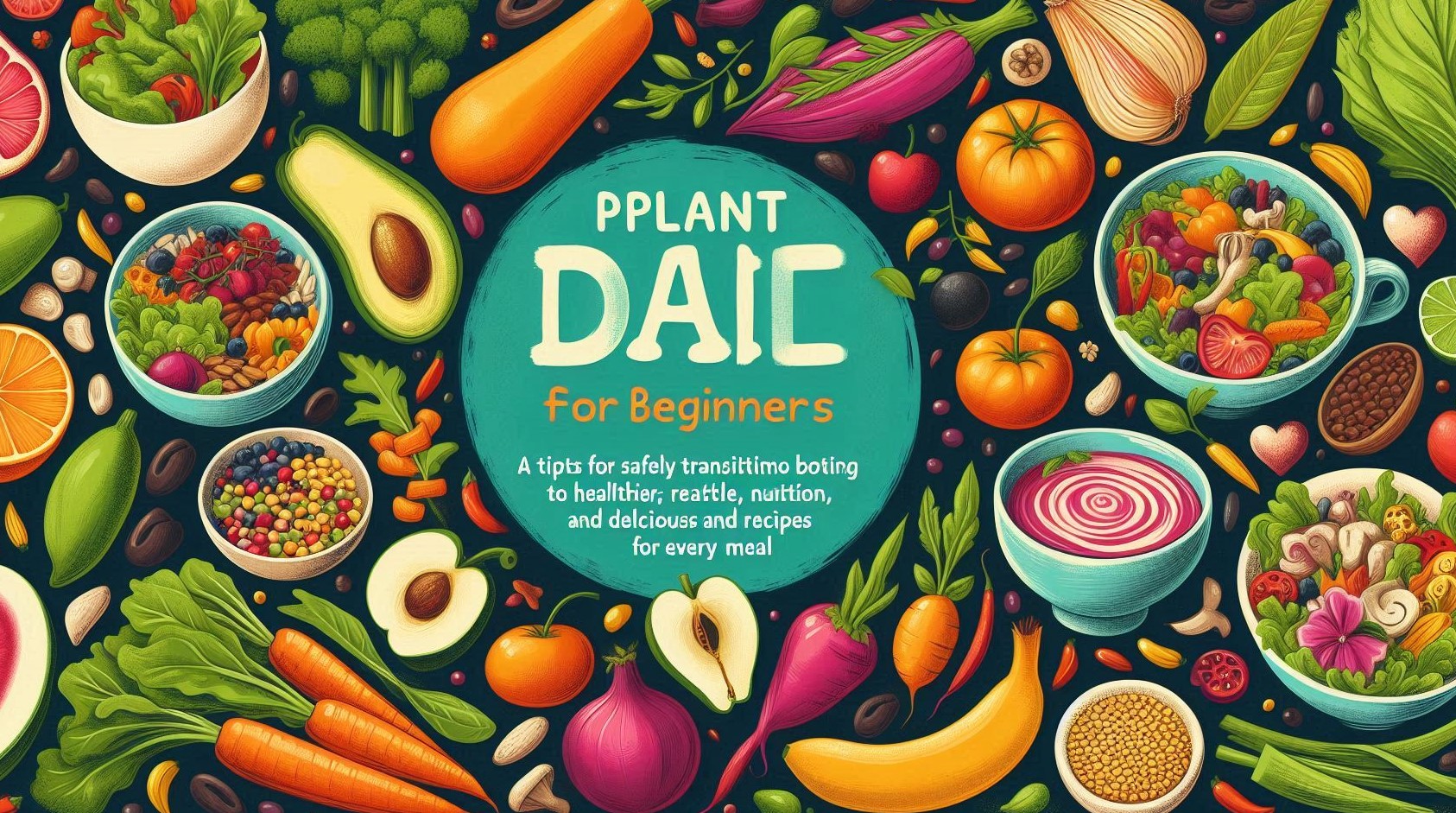
The shift towards a plant-based diet has moved from a niche lifestyle choice to a global mainstream movement. Driven by a confluence of concerns for personal health, animal welfare, and environmental sustainability, more people than ever are exploring the benefits of reducing their consumption of animal products. However, for a beginner, the transition can feel daunting. Visions of bland salads and a lifetime of deprivation, coupled with concerns about getting adequate nutrition, can be significant barriers.
This guide is designed to demystify the process and provide a safe, practical, and sustainable roadmap for anyone beginning their plant-based journey. It emphasizes that this is not about perfection, but about progress—a gradual shift towards a way of eating that is both nourishing and enjoyable.
What Exactly is a Plant-Based Diet?
Before embarking on this journey, it’s crucial to define the destination. “Plant-based” is an umbrella term with some flexibility. It generally means that the majority of your food intake comes from plant sources. Under this umbrella, several approaches exist:
- Flexitarian: A primarily vegetarian diet that occasionally includes meat, poultry, or fish. This is an excellent starting point for many.
- Pescatarian: A diet that excludes meat and poultry but includes fish and other seafood.
- Vegetarian (Lacto-ovo): Excludes meat, poultry, and fish but includes dairy products and eggs.
- Vegan: Excludes all animal products, including meat, poultry, fish, dairy, eggs, and often honey and other animal-derived ingredients.
For the purposes of this beginner’s guide, we will focus on the foundational principles of a whole-food, plant-based diet, which emphasizes minimally processed foods. This approach is widely recognized for its profound health benefits.
The “Why”: Compelling Reasons to Go Plant-Based
Understanding your personal motivation is the fuel that will keep you going when willpower wanes. The reasons to adopt a plant-based diet are robust and well-supported by scientific evidence.
For Your Health
A well-planned plant-based diet is one of the most powerful tools for promoting long-term health.
- Heart Disease: Plant-based diets are naturally low in saturated fat and cholesterol and rich in fiber and antioxidants. Estruch et al. (2018) demonstrated that a Mediterranean diet (largely plant-based) was effective for the primary prevention of cardiovascular disease.
- Type 2 Diabetes: Research has consistently shown that plant-based diets can improve insulin sensitivity and reduce the risk of developing type 2 diabetes. A review by Qian et al. (2019) found that adherence to a plant-based diet was associated with a significantly lower risk of type 2 diabetes.
- Cancer Risk Reduction: The American Institute for Cancer Research recommends a diet rich in whole plant foods. The fiber, vitamins, minerals, and phytochemicals found in plants have protective effects. Bouvard et al. (2015) highlighted the link between red and processed meat and colorectal cancer, while affirming the protective role of dietary fiber.
- Weight Management: Plant-based diets are typically lower in calorie density and higher in fiber, which promotes satiety and can lead to sustainable weight management.
For The Environment
The environmental impact of animal agriculture is significant.
- Greenhouse Gas Emissions: It is a major contributor to greenhouse gases, often cited as producing more than the entire transportation sector combined.
- Land and Water Use: It requires vast amounts of land and water, contributing to deforestation and water scarcity.
For The Animals
For many, the ethical imperative to reduce animal suffering is a primary motivator. Choosing plant-based options directly reduces demand for industrial animal farming.
The Safe Start: A Step-by-Step Guide for Beginners
A sudden, drastic overhaul of your diet is rarely sustainable and can lead to nutrient deficiencies if not done carefully. A gradual, informed approach is key.
Step 1: Adopt a “Add, Don’t Subtract” Mindset
Instead of focusing on what you’re giving up, focus on what you’re gaining. Begin by adding more plant-based foods to your current meals.
- Breakfast: Add a handful of spinach to your morning smoothie. Add berries and flaxseeds to your oatmeal.
- Lunch: Add a serving of chickpeas or lentils to your salad.
- Dinner: Add an extra portion of steamed or roasted vegetables to your plate.
This method naturally crowds out animal products without creating a sense of deprivation.
Step 2: Master the Plant-Based Plate
Understanding how to build a balanced meal is fundamental. A healthy plant-based plate should include:
- Protein (¼ of the plate): Legumes (lentils, chickpeas, black beans, tofu, tempeh, edamame).
- Complex Carbohydrates (¼ of the plate): Whole grains (brown rice, quinoa, oats, whole-wheat pasta, barley).
- Vegetables & Fruits (½ of the plate): A colorful variety, both raw and cooked.
- Healthy Fats (a sprinkle): Avocado, nuts, seeds, and their oils.
Step 3: Start with Simple Swaps
Ease into the transition by making direct substitutions for familiar dishes.
- Instead of beef tacos, try black bean or lentil tacos.
- Instead of beef burgers, try a veggie burger or a grilled portobello mushroom.
- Instead of cow’s milk, try unsweetened almond, soy, or oat milk.
- Instead of dairy yogurt, try coconut or soy-based yogurt.
- **Use lentils or textured vegetable protein (TVP) in place of ground meat in sauces like Bolognese or chili.
Step 4: Explore New Foods Gradually
The world of plant-based eating is vast and exciting. Each week, challenge yourself to try one new food.
- Week 1: Try tempeh (fermented soybean cake), marinating and pan-frying it.
- Week 2: Cook with nutritional yeast (“nooch”) for a cheesy, nutty flavor and a boost of B vitamins.
- Week 3: Experiment with a new whole grain like farro or freekeh.
- Week 4: Discover a new legume, such as black-eyed peas or adzuki beans.
Step 5: Plan and Prep
A little planning prevents last-minute resorting to less healthy options.
- Batch Cook: On a weekend, cook a large pot of quinoa, a batch of lentils, and chop a variety of vegetables.
- Have Convenience Foods on Hand: Keep canned beans, frozen vegetables, and whole-grain tortillas in your pantry for quick meals.
Critical Focus: Key Nutrients for a Balanced Plant-Based Diet
This is the most important section for ensuring a safe transition. Eliminating animal products requires mindful attention to a few specific nutrients.
Vitamin B12
- Why it’s Critical: Essential for nerve function and the production of red blood cells. A deficiency can cause serious neurological problems and anemia.
- The Challenge: B12 is not reliably available in a natural, bioavailable form from plant foods. Some fortified foods and nutritional yeast contain it, but it’s not enough.
- The Safe Solution: Supplementation is non-negotiable. Take a reliable B12 supplement (cyanocobalamin is the most studied form). The recommended dosage is typically 25-100 mcg daily or 2500 mcg once a week (Watanabe, 2007).
Iron
- Why it’s Critical: Necessary for carrying oxygen in the blood.
- The Challenge: Plant-based iron (non-heme iron) is not as easily absorbed as the heme iron from animal products.
- The Safe Solution:
- Eat iron-rich plants: Lentils, chickpeas, beans, tofu, spinach, and fortified cereals.
- Pair with Vitamin C: Consuming Vitamin C-rich foods (citrus fruits, bell peppers, broccoli, strawberries) alongside iron-rich foods dramatically increases absorption. For example, have a lentil salad with a squeeze of lemon juice.
Omega-3 Fatty Acids
- Why it’s Critical: Important for brain health and reducing inflammation.
- The Challenge: The most potent forms (EPA and DHA) are found in fatty fish. Plant sources provide ALA, which the body must convert to EPA and DHA, a process that is inefficient in humans.
- The Safe Solution:
- Include ALA sources daily: Flaxseeds (ground), chia seeds, hemp seeds, and walnuts.
- Consider an Algae Oil Supplement: This is a direct source of EPA and DHA, identical to what you’d get from fish, and is the most reliable way for vegans to ensure adequate intake.
Vitamin D
- Why it’s Critical: For bone health and immune function.
- The Challenge: Few foods naturally contain Vitamin D. Sun exposure is a primary source, but this is unreliable for many due to geography, season, and sunscreen use.
- The Safe Solution: Consume fortified plant milks and mushrooms exposed to UV light. However, a Vitamin D3 supplement (derived from lichen for vegans) is often recommended, especially in winter months or for those with limited sun exposure.
Calcium
- Why it’s Critical: For bone and teeth health.
- The Challenge: Dairy is a primary source for many, so it must be replaced.
- The Safe Solution: Include plenty of calcium-rich plants: fortified plant milks and juices, tofu made with calcium sulfate, collard greens, kale, bok choy, and tahini.
Iodine
- Why it’s Critical: For thyroid function.
- The Safe Solution: Use iodized salt in moderation. Sea vegetables like kelp can be a source, but their iodine content is highly variable and can be excessive.
Protein
- The Myth: The pervasive myth that it’s difficult to get enough protein on a plant-based diet is just that—a myth.
- The Reality: As long as you are consuming enough calories from a variety of whole plant foods, meeting your protein needs is straightforward. Include a source of legumes (beans, lentils, peanuts), soy foods (tofu, tempeh, edamame), or if you are lacto-ovo vegetarian, eggs and dairy, at most meals. The concept of “protein combining” at every meal is outdated; eating a variety of foods throughout the day is sufficient.
Practical Tips for Navigating the Real World
- Eating Out: Scan the menu online beforehand. Most restaurants are accommodating and can modify dishes (e.g., pasta with marinara sauce and vegetables, veggie fajitas). Don’t hesitate to ask your server.
- Social Gatherings: Offer to bring a dish to share. This ensures you have something to eat and introduces others to delicious plant-based food.
- Read Labels: Animal-derived ingredients can be hidden in unexpected places like Worcestershire sauce (anchovies), some refried beans (lard), and even some breads and beers.
- Be Kind to Yourself: This is a journey, not a destination. If you slip up or have a meal that isn’t plant-based, don’t view it as a failure. Acknowledge it and get right back on track with your next meal. Progress, not perfection, is the goal.
Conclusion
Embarking on a plant-based diet is one of the most impactful positive changes you can make for your health and the planet. By starting gradually, focusing on nutrient-dense whole foods, paying special attention to key nutrients like B12 and Iron, and being prepared for real-world challenges, you can transition safely and successfully.
Remember, the goal is not to achieve a perfect, 100% plant-based purity overnight. The goal is to consciously and consistently move towards a dietary pattern that is richer in plants. Listen to your body, enjoy the process of discovering new foods and flavors, and celebrate every small step you take. Your body, and the world, will thank you for it.
SOURCES
Bouvard, V., Loomis, D., Guyton, K. Z., Grosse, Y., Ghissassi, F. E., Benbrahim-Tallaa, L., Guha, N., Mattock, H., & Straif, K. (2015). Carcinogenicity of consumption of red and processed meat. The Lancet Oncology, *16*(16), 1599–1600.
Estruch, R., Ros, E., Salas-Salvadó, J., Covas, M. I., Corella, D., Arós, F., Gómez-Gracia, E., Ruiz-Gutiérrez, V., Fiol, M., Lapetra, J., Lamuela-Raventos, R. M., Serra-Majem, L., Pintó, X., Basora, J., Muñoz, M. A., Sorlí, J. V., Martínez, J. A., Fitó, M., Gea, A., Hernán, M. A., … Martínez-González, M. A. (2018). Primary Prevention of Cardiovascular Disease with a Mediterranean Diet Supplemented with Extra-Virgin Olive Oil or Nuts. New England Journal of Medicine, *378*(25), e34.
Qian, F., Liu, G., Hu, F. B., Bhupathiraju, S. N., & Sun, Q. (2019). Association between Plant-Based Dietary Patterns and Risk of Type 2 Diabetes: A Systematic Review and Meta-analysis. JAMA Internal Medicine, *179*(10), 1335–1344.
Watanabe, F. (2007). Vitamin B12 sources and bioavailability. Experimental Biology and Medicine (Maywood, N.J.), *232*(10), 1266–1274.
HISTORY
Current Version
Nov 18, 2025
Written By:
SUMMIYAH MAHMOOD