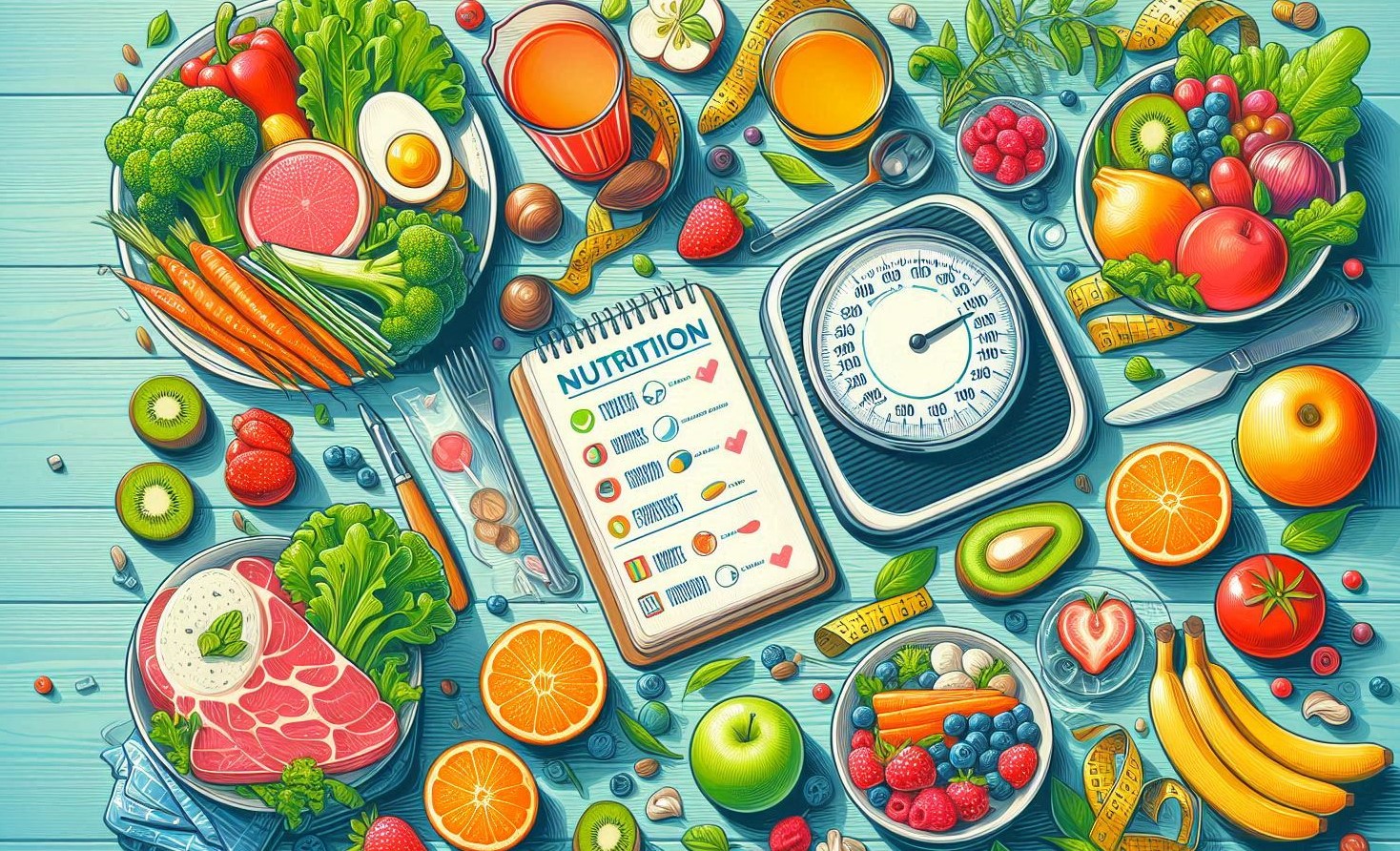
The fundamental principle of weight loss is deceptively simple: consume fewer calories than your body expends. This state is known as a calorie deficit. While the concept is straightforward, the execution is where most individuals encounter challenges. Crash diets, extreme restriction, and fleeting motivation often lead to short-term results followed by regain and frustration. The true key to successful, long-term weight management is not merely achieving a calorie deficit, but creating one that is sustainable, healthy, and adaptable to your lifestyle. This article will provide a comprehensive guide on how to do just that, moving beyond the simplistic “eat less, move more” mantra to a nuanced, evidence-based approach.
The Foundation – Understanding the Calorie Deficit
What is a Calorie Deficit?
A calorie deficit occurs when you consume fewer calories through food and drink than your body uses to maintain its current weight. This energy imbalance forces the body to tap into its stored energy reserves—primarily body fat—to meet its daily energy demands, resulting in weight loss.
The energy your body uses is known as Total Daily Energy Expenditure (TDEE). It is composed of:
- Basal Metabolic Rate (BMR): The number of calories your body needs at complete rest to perform basic life-sustaining functions like breathing, circulation, and cell production. This constitutes the largest portion (60-75%) of your TDEE.
- Thermic Effect of Food (TEF): The calories burned through digesting, absorbing, and metabolizing the food you eat. It accounts for about 10% of TDEE. Protein has a significantly higher TEF than carbohydrates or fats.
- Physical Activity: This includes both planned exercise (like running or weightlifting) and non-exercise activity thermogenesis (NEAT), which encompasses all other movement, from fidgeting to walking to your car. NEAT can vary dramatically between individuals and is a crucial factor in daily calorie expenditure (Levine, 2004).
Therefore, TDEE = BMR + TEF + Physical Activity. To create a deficit, your calorie intake must be lower than this calculated number.
Why Sustainability is Non-Negotiable
An aggressive, large calorie deficit might yield rapid initial weight loss, but it is fraught with physiological and psychological pitfalls that undermine long-term success:
- Metabolic Adaptation: Drastically reducing calories signals a “famine” state to your body. In response, it becomes more efficient, slowing down your BMR to conserve energy (Müller & Bosy-Westphal, 2013). This means you burn fewer calories at rest, making the deficit harder to maintain and weight regain more likely once you resume normal eating.
- Muscle Loss: In a severe deficit, especially without adequate protein intake and resistance training, the body will break down muscle tissue for energy alongside fat. Since muscle is metabolically active, losing it further reduces your BMR.
- Nutrient Deficiencies: Extreme diets often lack essential vitamins, minerals, and fiber, leading to fatigue, weakened immunity, hair loss, and other health issues.
- Psychological Strain: Intense hunger, cravings, food obsession, and irritability are common with severe restriction. This often leads to a restrictive-binge cycle, causing guilt and derailing progress.
- Hormonal Disruption: Significant energy restriction can disrupt hormones that regulate hunger (ghrelin) and satiety (leptin), making you feel hungrier and less full (Klok, Jakobsdottir, & Drent, 2007).
A sustainable deficit, in contrast, is modest, prioritizes nutrient density, and can be maintained for weeks or months without excessive suffering, allowing for gradual, consistent fat loss while preserving metabolic health and muscle mass.
The Practical Blueprint for a Sustainable Deficit
Creating a sustainable deficit is a multi-step process that involves calculation, strategic nutrition, and behavioral adaptation.
Determine Your Maintenance Calories
You must first estimate your TDEE—the calories you need to maintain your current weight. While online calculators provide a useful starting point, they are estimates. You can use the Mifflin-St Jeor Equation, considered one of the most accurate for BMR, and then multiply by an activity factor.
A more straightforward method is to use an online TDEE calculator, inputting your age, gender, height, weight, and activity level. For a more personalized number, track your food intake meticulously and monitor your weight for two weeks. If your weight is stable, your average daily intake is your maintenance calories.
Set a Moderate Calorie Deficit
The most sustainable deficit is typically 300-500 calories below your TDEE. This range is aggressive enough to produce meaningful fat loss (approximately 0.5-1 lb or 0.2-0.5 kg per week) but modest enough to minimize the negative effects of metabolic adaptation and muscle loss.
For individuals with less weight to lose, a 300-calorie deficit may be more appropriate, while those with more may opt for 500. It is crucial to avoid dipping below 1,200 calories per day for women and 1,500 for men without medical supervision, as it becomes nearly impossible to meet micronutrient needs.
Prioritize Protein Intake
This is arguably the most critical nutritional strategy for a sustainable deficit. A high-protein diet offers multiple advantages:
- Increased Satiety: Protein is the most satiating macronutrient. It reduces levels of the hunger hormone ghrelin and increases satiety hormones like GLP-1 and PYY (Halton & Hu, 2004). This leads to a natural reduction in overall calorie intake by keeping you fuller for longer.
- Boosts Metabolism: As mentioned, protein has the highest Thermic Effect of Food (TEF). Your body uses 20-30% of the calories from protein just to digest and process it, compared to 5-10% for carbs and 0-3% for fats.
- Preserves Muscle Mass: Adequate protein intake provides the building blocks (amino acids) necessary for muscle repair and synthesis. When in a deficit, this helps ensure that the weight you lose comes primarily from fat, not muscle (Longland et al., 2016).
Aim for 1.6 to 2.2 grams of protein per kilogram of body weight (or 0.7 to 1.0 grams per pound). For a 180 lb (82 kg) person, this translates to 126-180 grams of protein per day. Distribute this protein evenly across your meals (e.g., 30-40 grams per meal) to maximize muscle protein synthesis and satiety throughout the day.
Master the Art of Volume Eating
Volume eating is a strategy focused on consuming larger portions of food that are low in energy density (calories per gram) but high in volume and nutrients. This allows you to feel physically full and satisfied while staying within your calorie budget.
The cornerstone of volume eating is non-starchy vegetables and fruits. Foods like leafy greens, broccoli, cauliflower, bell peppers, zucchini, berries, and melons are packed with water, fiber, and micronutrients but are very low in calories. You can eat a large bowl of salad for the same calories as a small cookie.
Practical applications of volume eating:
- Fill half your plate with non-starchy vegetables at lunch and dinner.
- Start a meal with a large salad or a broth-based vegetable soup.
- Add spinach, mushrooms, and onions to omelets, pasta sauces, and stir-fries.
- Blend fruits and vegetables into smoothies (being mindful of liquid calories).
Embrace Fiber and Smart Carbohydrates
Fiber, particularly soluble fiber, slows down digestion, which stabilizes blood sugar levels and promotes a prolonged feeling of fullness. It also supports a healthy gut microbiome, which is increasingly linked to overall metabolic health.
Instead of fearing carbohydrates, choose high-fiber, complex sources:
- Whole grains (oats, quinoa, brown rice)
- Legumes (lentils, chickpeas, black beans)
- Starchy vegetables (sweet potatoes, squash, corn)
- Whole fruits
These provide sustained energy and are far more satiating than their refined counterparts (white bread, white pasta, pastries, sugary cereals).
Don’t Fear Healthy Fats
While fats are calorie-dense (9 calories per gram), they are essential for hormone production, vitamin absorption, and providing satiety. Completely eliminating fat can leave you feeling unsatisfied and lead to cravings.
Include moderate amounts of healthy fats from sources like:
- Avocado
- Nuts and seeds (practice portion control)
- Olive oil
- Fatty fish (salmon, mackerel)
Fats help slow the emptying of the stomach, contributing to a feeling of fullness after a meal.
Leverage NEAT and Exercise
While nutrition is the primary driver of a calorie deficit, physical activity is a powerful tool for sustaining it.
- Non-Exercise Activity Thermogenesis (NEAT): This is the secret weapon for daily calorie burning. Small, consistent movements throughout the day can significantly increase your TDEE without the need for grueling workouts. Take the stairs, walk during phone calls, park farther away, use a standing desk, and tidy your house. Levine (2004) emphasized that NEAT can vary by up to 2,000 calories per day between two people of similar size, making it a critical factor in weight management.
- Resistance Training: This is paramount for preserving and building muscle mass while in a deficit. More muscle means a higher BMR. Aim for at least 2-3 strength training sessions per week.
- Cardiovascular Exercise: While great for heart health and burning extra calories, cardio should not be relied upon as the sole method for creating a deficit. Excessive cardio can increase hunger and fatigue. A mix of moderate-intensity steady-state (like brisk walking) and high-intensity interval training (HIIT) can be effective.
The Pillars of Sustainability – Behavior and Mindset
A perfect nutritional plan is useless if you cannot adhere to it. Sustainability is built on flexible habits and a healthy mindset.
Adopt a Flexible Approach: “If It Fits Your Macros” (IIFYM) vs. Whole Foods
The IIFYM approach allows for any food as long as it fits within your daily calorie and macronutrient targets. This flexibility can prevent feelings of deprivation, making long-term adherence easier. You can have a piece of cake if you budget for it.
However, the most health-promoting and satiating strategy is to build the majority of your diet from whole, minimally processed foods. These foods are naturally more nutrient-dense and voluminous. The ideal approach is a hybrid: center your diet on whole foods for health and satiety, but allow for flexibility with treats to support psychological adherence.
Practice Mindful Eating
In our fast-paced world, we often eat distracted, leading to overconsumption. Mindful eating involves paying full attention to the experience of eating and drinking.
- Eat without distractions: Turn off the TV and put away your phone.
- Eat slowly: Chew thoroughly and put your fork down between bites. It takes about 20 minutes for your brain to register fullness.
- Listen to hunger cues: Learn to differentiate between physical hunger and emotional or bored hunger.
- Appreciate your food: Notice the colors, smells, textures, and flavors.
Plan and Prepare
“Failing to plan is planning to fail” is a cliché for a reason. A little preparation can make sticking to your deficit effortless during a busy week.
- Meal Prep: Dedicate a few hours on the weekend to prepare proteins, chop vegetables, and portion out snacks.
- Have Go-To Meals: Keep a repertoire of 4-5 quick, easy, and healthy meals you can make in under 20 minutes.
- Smart Grocery Shopping: Never go grocery shopping while hungry. Make a list and stick to it, focusing on the perimeter of the store where whole foods are typically located.
Manage Slips and Setbacks
You will have days where you overeat or make less-than-ideal choices. This is normal and part of the process. The key is to avoid the “what the hell” effect—the tendency to abandon all efforts after one small slip.
- Practice Self-Compassion: Talk to yourself as you would a friend. Acknowledge the slip, learn from it, and simply return to your plan at the very next meal. One meal will not ruin your progress, just as one healthy meal will not make you lean.
- Focus on Consistency, Not Perfection: Aim to be consistent 80-90% of the time. This allows for life to happen—social events, holidays, and stressful days—without derailing your long-term journey.
A Sample Day in a Sustainable Deficit
Let’s illustrate these principles with a sample day for a person aiming for a 1,800-calorie diet with high protein (~150g).
- Breakfast (approx. 400 calories, 35g protein): 3-egg omelet with spinach, mushrooms, and 1 oz of feta cheese, served with 1 cup of berries.
- Lunch (approx. 500 calories, 40g protein): Large salad with 5 oz of grilled chicken breast, mixed greens, cucumbers, tomatoes, bell peppers, and 2 tbsp of light vinaigrette. One small sweet potato on the side.
- Snack (approx. 200 calories, 15g protein): 1 cup of plain Greek yogurt with a handful of raspberries.
- Dinner (approx. 550 calories, 50g protein): 5 oz of baked salmon with a lemon-dill sauce, 1 cup of steamed broccoli, and ½ cup of quinoa.
- Evening “Treat” (approx. 150 calories, 10g protein): A protein shake made with water or a small square of dark chocolate.
This sample day is high in protein, fiber, and volume, providing ample nutrients and satiety while fitting within the calorie target. It includes a treat, demonstrating flexibility.
Conclusion
Creating a sustainable calorie deficit is not about following a short-term, restrictive diet. It is about mastering the science of energy balance and layering it with the art of behavioral psychology. By setting a modest deficit, strategically prioritizing protein and fiber, incorporating volume eating, and staying active through NEAT and resistance training, you create a powerful fat-loss engine. When you combine this nutritional strategy with a flexible, mindful, and self-compassionate mindset, you build a foundation for lasting success. The goal is not just to lose weight, but to build a healthier relationship with food and a lifestyle that you can maintain happily and healthily for years to come.
SOURCES
Halton, T. L., & Hu, F. B. (2004). The effects of high protein diets on thermogenesis, satiety and weight loss: a critical review. Journal of the American College of Nutrition, *23*(5), 373–385.
Klok, M. D., Jakobsdottir, S., & Drent, M. L. (2007). The role of leptin and ghrelin in the regulation of food intake and body weight in humans: a review. Obesity Reviews, *8*(1), 21–34.
Levine, J. A. (2004). Nonexercise activity thermogenesis (NEAT): environment and biology. American Journal of Physiology-Endocrinology and Metabolism, *286*(5), E675–E685.
Longland, T. M., Oikawa, S. Y., Mitchell, C. J., Devries, M. C., & Phillips, S. M. (2016). Higher compared with lower dietary protein during an energy deficit combined with intense exercise promotes greater lean mass gain and fat mass loss: a randomized trial. The American Journal of Clinical Nutrition, *103*(3), 738–746.
Müller, M. J., & Bosy-Westphal, A. (2013). Adaptive thermogenesis with weight loss in humans. Obesity, *21*(2), 218–228.
HISTORY
Current Version
Nov 19, 2025
Written By:
SUMMIYAH MAHMOOD