Introduction: Food as Information, Not Just Fuel
For decades, nutrition science revolved around a simple idea: food is energy. Calories in, calories out. But modern biochemistry, endocrinology, and systems biology have revealed a more complex truth—food is not just fuel, but information.
Every bite you eat triggers a cascade of biochemical signals, much like hormones. These signals activate receptors, switch genes on and off, modify metabolic pathways, influence organ function, and even impact mood and behavior.
This emerging concept—often referred to as the Food Signaling Theory—proposes that nutrients operate as messengers, similar to hormones, orchestrating physiological responses across the entire body. Rather than passive substances that simply contribute to energy balance, nutrients actively communicate with cells.
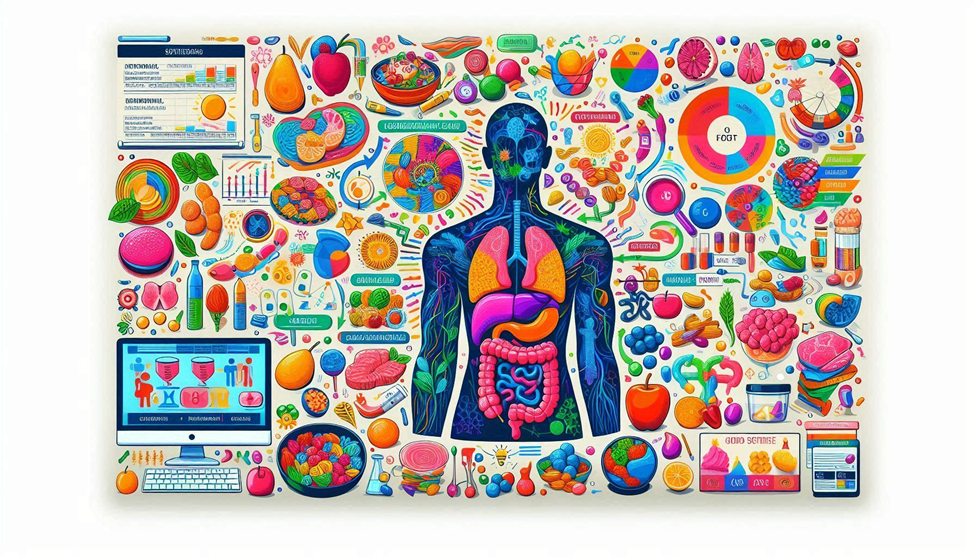
This guide explores the molecular detail behind this idea, unpacking how specific foods, nutrients, and dietary patterns “speak” to your body—shaping everything from appetite to aging.
1. Understanding the Food Signaling Theory
Nutrients act as signaling molecules—activating specific receptors, modulating hormone secretion, influencing gene expression, and fine-tuning metabolic pathways. Unlike the traditional view of food as merely fuel, the Food Signaling Theory positions nutrients as active instructors, conveying precise biochemical information to every cell in the body. In essence, what we eat functions as a complex communication system, orchestrating physiological processes in real time.
This concept rests on four foundational pillars, each highlighting a distinct dimension of nutrient-driven signaling.
1.1 Nutrients as Chemical Messengers
Just as hormones like insulin or cortical bind to specific receptors to trigger cellular responses, nutrients themselves serve as chemical signals that interact directly with molecular targets. For example, fatty acids activate peroxisome proliferators-activated receptors (PPARs), which regulate lipid metabolism, inflammation, and energy homeostasis. Certain amino acids, such as leonine, act as direct activators of the mechanistic target of rapamycin (motor) pathway, signaling the body to synthesize proteins, repair tissues, and build muscle. Glucose, the primary energy substrate, functions not only as fuel but as a potent signaling molecule by stimulating insulin secretion, thereby orchestrating the uptake and storage of nutrients in multiple tissues. These examples illustrate that nutrients are far from passive—they are active participants in the regulation of metabolic behavior.
1.2 Nutrients Regulate Hormone Release
Beyond direct receptor interactions, nutrients profoundly influence the endocrine system, shaping the secretion of key hormones that govern hunger, satiety, energy distribution, and stress responses. Carbohydrates stimulate insulin release, promoting glucose uptake, while simultaneously suppressing gherkin, the hunger hormone, creating a sense of fullness. Proteins can trigger glucagon, which supports blood sugar stability and fat metabolism, and also stimulate hormones like GLP-1, CCK, and PYY, enhancing satiety and digestive efficiency. Fats, particularly omega-3 fatty acids, can influence cortical rhythms and modulate inflammation. The hormonal signature of each macronutrient is highly predictable, and understanding these patterns allows for strategic dietary interventions that optimize energy balance, appetite regulation, and metabolic health.
1.3 Nutrients Change Gene Expression
Certain foods extend their influence to the genetic level, acting as epigenetic modifiers that switch genes on or off without altering the DNA sequence. Polyphones found in fruits, vegetables, and teas activate sit-ins, proteins that regulate longevity, stress resistance, and DNA repair. Fasting mimetic and caloric restriction diets trigger AMPK pathways, signaling cells to increase energy efficiency, stimulate autophagy, and enhance mitochondrial function. Omega-3 fatty acids influence the transcription of inflammatory genes, reducing pro-inflammatory signaling and supporting immune resilience. These nutrient-gene interactions demonstrate that diet is not merely reactive but proactively shapes cellular function and overall physiological outcomes.
1.4 Nutrients Influence Communication between Organ Systems
The body functions as an interconnected network and nutrients serve as the chemical messages that coordinate cross-talk between organs. Signals originating from the gut can affect the liver’s metabolic processing, influence brain neurotransmitter activity, modulate muscle energy utilization, and regulate adipose tissue hormone secretion. For example, the gut-derived hormone GLP-1 not only enhances insulin secretion but also communicates satiety to the brain, illustrating a tightly integrated nutrient-hormone-organ signaling loop. In this sense, food becomes the primary coordination system of the body, ensuring that energy, nutrients, and biochemical information flow efficiently and appropriately across tissues.
Taken together, these pillars reveal a profound shift in our understanding of diet. Food is not merely a source of calories; it is a therapeutic signal capable of altering physiology in real time. By recognizing nutrients as active messengers, we open the door to precision nutrition strategies that optimize metabolism, support long-term health, modulate gene expression, and even influence mood and cognitive function. Rather than focusing solely on quantity or calorie content, the Food Signaling Theory emphasizes the quality, type, and timing of nutrients as vital determinants of biological outcomes. Each meal is thus an opportunity to send specific, beneficial signals to the body, fine-tuning metabolism and supporting overall wellness.
2. The Hormone-Like Behavior of Macronutrients
2.1 Carbohydrates: The Glucose Signaling System
Carbohydrates—especially simple crab—send rapid hormonal messages.
How glucose acts like a signal:
- Stimulates insulin release: Insulin behaves like a traffic controller, directing nutrients into cells.
- Suppresses gherkin: Gherkin, the hunger hormone, drops sharply after crab intake.
- Triggers incretions (GLP-1, GIP): These hormones improve blood sugar control and influence satiety.
- Activates brain reward pathways: Sugar amplifies dopamine activity, reinforcing cravings.
High-quality crabs (fiber-rich) signal differently:
- Slow glucose release
- Mild insulin response
- Higher GLP-1
- Enhanced satiety
- Improved micro biome fermentation
- Steady energy curve
This shows that the type of carbohydrate determines the signal.
2.2 Protein: The Anabolic Signaling Molecule
Protein sends powerful hormonal messages related to:
- muscle growth
- appetite control
- metabolic rate
- immune function
2.2.1 Protein triggers motor activation.
Motor is the master growth switch. Amino acids—especially leonine—activate it like a hormonal signal.
When activated:
- muscle synthesis increases
- cell repair intensifies
- aging-related atrophy slows
2.2.2 Protein triggers glucagon release.
Glucagon stimulates fat burning and stabilizes blood sugar.
2.2.3 Protein increases satiety hormones.
These include:
- GLP-1
- CCK
- PYY
Protein-rich meals keep you full longer due to this hormonal signature.
2.2.4 Protein affects thyroid hormones.
Adequate protein supports T3 production, improving metabolic rate.
2.3 Fats: The Long-Term Signaling Molecules
Fatty acids serve as raw material for:
- cell membranes
- steroid hormones
- eicosanoids (inflammatory regulators)
But fats also act as potent signaling molecules.
Omega-3 Signals
EPA and DHA activate:
- PPAR-α (fat oxidation switch)
- PPAR-γ (anti-inflammatory switch)
- SREBP (lipid metabolism regulator)
They reduce inflammation by altering cytokine gene expression.
Omega-6 Signals
Some omega-6 fatty acids promote:
- inflammatory eicosanoid production
- immune activation
- oxidative stress (if excessive)
Monounsaturated Fats (e.g., olive oil)
These activate:
- AMPK (longevity pathway)
- SIRT1 (cellular repair)
Extra virgin olive oil polyphones intensify these signals.
Saturated Fats
In excess, they signal:
- insulin resistance pathways
- TLR4 activation (inflammatory receptors)
- decreased mitochondrial efficiency
Thus, the type of fat dramatically affects the body’s biochemical messaging.
3. Phytonutrients as Hormonal Mimics
Plants contain thousands of bioactive compounds. Many behave like pseudo-hormones.
3.1 Polyphones as Gene Modulators
Examples:
- Resveratrol → activates SIRT1
- Quercetin → anti-inflammatory gene regulation
- Cur cumin → NF-be suppression
Polyphones often mimic calorie restriction signals—improving mitochondrial function and reducing stress.
3.2 Plant Sterols as Cholesterol Regulators
Plant sterols compete with cholesterol for absorption, signaling the liver to increase LDL receptor expression.
3.3 Is flavones as Estrogen Mimics?
Soy-based is flavones bind to estrogen receptors.
Their effects vary by hormonal environment:
- In low-estrogen states → mild estrogenic effect
- In high-estrogen states → anti-estrogenic effect
This selective behavior shows how food components can act like tissue-specific hormones.
4. Gut Micro biome: The Silent Hormone Factory
The micro biome produces thousands of metabolites that act like endocrine messengers.
4.1 Short-Chain Fatty Acids (SCFAs)
Butyrate, propionate, acetate:
- regulate appetite
- reduce inflammation
- improve insulin sensitivity
- influence serotonin production
4.2 Gut Hormones Influenced by Diet
The gut produces:
- GLP-1
- PYY
- CCK
- neuropeptide Y
Fiber, fermented foods, polyphones, and resistant starch feed these pathways.
4.3 Micro biota–Brain Signaling
Microbial metabolites travel to the brain via:
- vague nerve
- immune mediators
- neurotransmitter precursors
Thus, food indirectly signals the brain through microbial intermediaries.
5. Food as Epigenetic Instructions
Epigenetic controls which genes are turned on or off.
5.1 Nutrients That Modify Gene Expression
- Foliate and B12 support DNA methylation.
- Polyphones modulate his tone acetylating.
- Omega-3s regulate inflammatory gene clusters.
- Ketogenic diets alter oxidative gene expression.
5.2 Fasting and AMPK Activation
Low energy availability activates:
- autophagy
- mitochondrial biogenesis
- stem cell renewal
Food frequency communicates just as much as food quantity.
6. Chrononutrition: Timing Is a Signal
The body’s response to food depends on when you eat.
6.1 Morning vs. Night Signaling
Eating early:
- improves insulin sensitivity
- supports cortical rhythm
- enhances fat oxidation
Eating late:
- increases glucose spikes
- raises nighttime cortical
- disrupts melatonin
6.2 Meal Timing as Hormonal Alignment
Synchronizing food with circadian cycles improves:
- metabolism
- cognition
- gut function
- appetite regulation
7. The Food Signaling Theory in Metabolic Health
7.1 Signaling for Fat Loss
The right foods activate:
- AMPK
- PPAR-α
- GLP-1
- adrenaline pathways
Examples:
- coffee
- green tea catechism
- high-fiber foods
- omega-3 fats
- protein-rich meals
7.2 Signaling for Muscle Growth
Protein-rich foods stimulate motor signaling, but require:
- adequate leonine
- insulin support
- resistance training
7.3 Insulin Signaling Refinement
Choosing slow crabs, lean protein, and healthy fats shapes insulin response.
8. Practical Applications of the Theory
8.1 Eat foods that send “growth” signals strategically
Useful before:
- workouts
- recovery periods
- injury repair
Sources:
- protein
- whole grains
- legumes
- fruit
8.2 Use anti-inflammatory signaling daily
Include:
- fatty fish
- extra virgin olive oil
- berries
- spices
8.3 Use fasting signals wisely
Short fasting activates longevity pathways, but chronic under-eating disrupts hormonal balance.
8.4 Feed the micro biome
Fiber = signaling fertilizer.
9. Future Directions in Food Signaling Science
Emerging areas include:
- nutrient-sensing neural circuits
- personalized metabolic signaling
- food-derived peptides as therapeutic agents
- micro biome-based precision nutrition
- circadian metabolic programming
The future of nutrition lies in deciphering how food communicates—not how many calories it contains.
Conclusion
Food is far more than nourishment; it is the body’s most sophisticated communication system. Through intricate biochemical pathways, nutrients act like hormonal messengers—shaping metabolism, hunger, inflammation, genetic expression, and longevity. From amino acids that activate motor, to glucose that modulates insulin, to polyphones that influence epigenetic programming, every meal delivers signals that either support or disrupt homeostasis.
The Food Signaling Theory reframes nutrition from a passive fuel model to an active information network. It explains why different foods have drastically different physiological effects despite similar calorie counts, and why timing, quality, and food combinations matter profoundly. When we view food as information, dietary choices become tools for metabolic fine-tuning, emotional regulation, immune balance, and optimal aging.
As research advances in chronobiology, micro biome science, and metabolomics, our understanding of nutrient signaling will deepen. The future of health will rely less on restriction and more on precision—choosing foods that speak the language of cellular harmony. The body listens to what we eat.
SOURCES
Bruce, 2018. Nutrient–Hormone Interactions in Metabolic Regulation.
Sheller, 2020. Chronobiology and Nutrient Timing Effects on Endocrine Rhythms.
Lambert, 2019. Glucose Signaling Pathways and Insulin Dynamics.
Montero, 2017. Protein-Induced Thermo genesis and Satiety Hormone Modulation.
Martin, 2021. Role of Amino Acids in motor Activation and Muscle Anabolism.
Yoshida, 2018. Fatty Acid Signaling Through PPAR Receptors.
Calder, 2020. Omega-3 Fatty Acids as Anti-inflammatory Mediators.
Simopoulos, 2019. Omega-6/Omega-3 Ratios and Metabolic Signaling.
Estrus, 2017. Olive Oil Polyphones and Cardio metabolic Regulation.
Satchel, 2018. Phytoestrogens and Hormone Receptor Modulation.
Williamson, 2020. Polyphones as Epigenetic Modulators.
Louis, 2016. Short-Chain Fatty Acid Production and Immune Signaling.
Cyan, 2019. Micro biota–Brain Axis and Dietary Influence.
Archer, 2021. Meal Timing and Circadian Hormone Synchronization.
Poggiogalle, 2018. Night-Time Eating and Hormonal Disruption.
Kahn, 2017. Insulin Sensitivity Modulation by Dietary Patterns.
Pedersen, 2020. Exercise–Nutrition Interactions in motor and AMPK Signaling.
Longo, 2019. Fasting-Mimicking Diets and Longevity Signaling Pathways.
Liang, 2021. Nutrient-Sensing Pathways in Mitochondrial Biogenesis.
Zhao, 2018. Epigenetic Effects of B-Vitamins in DNA Methylation.
Hawkins, 2020. Gut Hormone Release and Nutrient Composition.
Specter, 2021. Personalized Nutrition and Metabolomic Food Responses.
Turnbaugh, 2019. Microbial Metabolites as Endocrine Messengers.
Mattson, 2018. Autophagy Activation through Nutrient Restriction.
HISTORY
Current Version
Nov 12, 2025
Written By
ASIFA