Introduction
Carbohydrates have long been simplistically categorized as “sugar” or “starch,” often reduced to their caloric content. However, modern nutritional science and molecular metabolism reveal a far more complex picture: carbohydrates are not merely fuel—they are highly structured metabolic signals. The architecture of a carbohydrate—its chemical composition, chain length, branching, and resistance to digestion—dictates how it interacts with enzymes, gut micro biota, and hormonal pathways.
This perspective underpins the concept of glycolic coding, wherein specific carbohydrates send distinct metabolic signals, shaping insulin dynamics, satiety, gut health, and energy metabolism. Some carbohydrates are rapidly digestible, eliciting sharp glucose and insulin responses. Others, such as resistant starches, bypass small intestinal digestion, reaching the colon to feed beneficial microbes and generate short-chain fatty acids (SCFAs) with systemic effects.
Understanding carbohydrate architecture enables precision in dietary strategies, leveraging food structure to optimize metabolism, support micro biome health, and modulate hormonal responses. This article delves into starch structure, the physiology of resistant starch, and the principles of glycolic coding, integrating molecular mechanisms with practical nutrition insights.
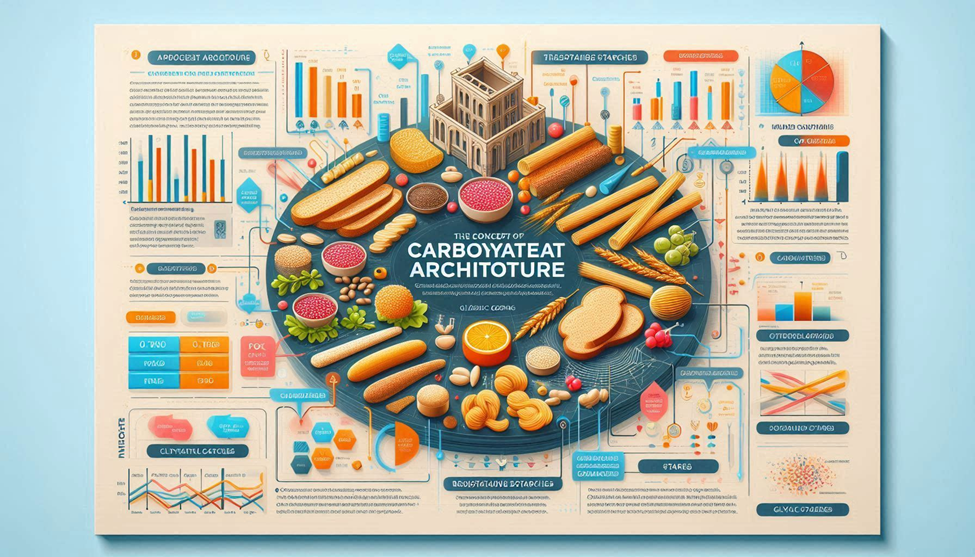
1. The Molecular Structure of Carbohydrates
Carbohydrates are organic polymers composed of sugar units, ranging from simple monosaccharides like glucose, fructose, and galaxies to complex polysaccharides such as starch, glycogen, and dietary fiber. Their chemical structure—how sugars are linked through α- or β-glycoside bonds—determines digestibility, metabolic effects, and signaling potential. Linear amylase digests slowly; producing gradual glucose release, whereas branched amyl pectin is rapidly broken down, triggering quick insulin responses. Some carbohydrates, including resistant starches and certain fibers, bypass small intestine digestion and are fermented by gut microbes, generating short-chain fatty acids that influence hormones, appetite, and systemic metabolism. Carbohydrate architecture thus acts as both fuel and metabolic signal.
1.1 Monosaccharide’s: The Basic Units
Monosaccharide’s—glucose, fructose, and galaxies—are the building blocks. Glucose is the primary energy substrate, tightly regulated by insulin and glucagon. Fructose is metabolized primarily in the liver, with distinct signaling consequences, including effects on de novo lip genesis. Galaxies is primarily converted to glucose via the Leloir pathway, influencing glycogen storage and hormonal responses.
1.2 Disaccharides: Coupled Sugars
Disaccharides like sucrose, lactose, and maltose require enzymatic cleavage. Their digestion rate influences the glycolic response:
- Sucrose → glucose + fructose (rapid insulin spike; fructose-mediated lip genesis)
- Lactose → glucose + galaxies (moderate glycolic effect; supports calcium absorption)
1.3 Polysaccharides: Starch Complexity
Starch is a polymer of glucose molecules, forming two major types:
- Amylase: Linear chains with α-1, 4 linkages, compact, less accessible to enzymes. Slower digestion → low-to-moderate glycolic response.
- Amyl pectin: Highly branched chains with α-1, 6 linkages every 24–30 glucose units. Rapidly digested → higher glycolic response.
The amylose: amylopectin ratio determines how quickly glucose enters circulation, shaping both postprandial glycerin and insulin signaling.
2. Glycolic Coding: How Carbohydrates Signal the Body
The concept of glycolic coding posits that carbohydrates act as metabolic information carriers. Their structure, digestion rate, and fiber content dictate hormonal responses, energy partitioning, and appetite regulation.
2.1 The Glycolic Index and Glycolic Load
- Glycolic Index (GI): Ranks foods based on the postprandial glucose response relative to pure glucose.
- Glycolic Load (GL): Combines GI with portion size to estimate total glycolic impact.
High-GI foods elicit sharp insulin spikes, rapid glucose disposal, and subsequent reactive hypoglycemia, signaling energy surplus to adipose tissue. Low-GI foods promote gradual insulin release, steady energy, and improved satiety signaling.
2.2 Hormonal Implications of Glycolic Coding
- Insulin: Primary anabolic hormone; high-GI crabs induce rapid secretion.
- Glucagon: Suppressed by high glucose; activated during low-GI or resistant starch intake.
- Incretions (GLP-1, GIP): Released in response to intestinal carbohydrate sensing; modulate insulin release and appetite.
- Gherkin & Lepton: Gherkin suppression correlates with glucose absorption rate; lepton signaling is enhanced by stable glucose availability.
The type of carbohydrate consumed thus informs the hormonal narrative, shaping nutrient storage, hunger cues, and long-term metabolic health.
3. Resistant Starches: The Hidden Signals
Resistant starches (RS) resist enzymatic digestion in the small intestine, entering the colon intact. Here, they are fermented by gut microbes, producing short-chain fatty acids (SCFAs) that act as systemic metabolic signals.
3.1 Types of Resistant Starches
- RS1: Physically inaccessible starch (whole grains, seeds).
- RS2: Native granular starch with high amylase content (raw potatoes, green bananas).
- RS3: Retrograded starch formed during cooling of cooked starches (cooled rice, pasta, potatoes).
- RS4: Chemically modified starch (industrial or experimental use).
3.2 SCFA Production and Systemic Signaling
Fermentation produces:
- Butyrate: Primary colonocyte energy source; anti-inflammatory; modulates gut barrier.
- Propionate: Signals to liver to reduce cholesterol synthesis and glucose output.
- Acetate: Circulates systemically; influences appetite and lipid metabolism.
SCFAs bind G-protein-coupled receptors (GPR41, GPR43) on enter endocrine cells, stimulating GLP-1, PYY, and influencing insulin sensitivity and satiety.
3.3 Resistant Starch and Metabolic Flexibility
RS intake improves:
- Insulin sensitivity
- Glycolic control
- Lipid profile
- Micro biome diversity
It exemplifies how undigested carbohydrates serve as biochemical signals to both gut and systemic tissues, extending glycolic coding beyond the small intestine.
4. Starch Architecture and Digestibility
4.1 Amylase vs. Amyl pectin
- Amylase: Linear chains → tight helical structure → slower enzyme access → low GI.
- Amyl pectin: Branched → open structure → rapid digestion → high GI.
High amylase foods (e.g., legumes, barley) produce sustained glucose release, signaling prolonged energy availability and improved satiety hormone profiles.
4.2 Cooking and Retro gradation
Cooking gelatinizes starch, increasing digestibility. Cooling leads to retro gradation, forming RS3. For instance:
- Cooked and cooled potatoes → higher RS3 content
- Refrigerated rice → 30–40% starch resistant to digestion
This demonstrates how preparation methods alter carbohydrate signaling.
5. Glycolic Coding and Hormone Synchronization
Carbohydrate architecture influences hormonal rhythms:
- Rapidly digestible starch → quick insulin surge, transient lepton response, suppressed gherkin
- Slowly digestible or resistant starch → gradual glucose, sustained GLP-1 release, prolonged satiety
5.1 Meal Timing Considerations
- Morning consumption of high-GI crabs aligns with cortical peak → improved glucose disposal
- Evening high-GI intake may disrupt melatonin rhythms, insulin sensitivity → metabolic deregulation
Glycolic coding is not only about what you eat, but when you eat it, linking carbohydrate architecture with chrononutrition.
6. Carbohydrate Signaling Beyond Blood Sugar
Carbohydrates are more than energy substrates; they act as cellular messengers, interacting with metabolic and signaling pathways.
6.1 motor and Energy Sensing
Glucose availability modulates motor signaling:
- High glucose → motor activation → anabolic signaling
- Low glucose or RS intake → AMPK activation → catabolic repair processes
This fine-tuning underscores carbohydrate’s dual role in growth and repair pathways.
6.2 Insulin-Independent Signaling
Some resistant starches stimulate incretion release without elevating glucose, modulating insulin and satiety in a low-glycolic context.
6.3 Micro biome-Mediated Endocrine Modulation
RS fermentation products influence systemic hormones:
- GLP-1 → insulin sensitivity, appetite regulation
- PYY → slows gastric emptying, prolongs satiety
- SCFAs → modulate adipose tissue signaling
The gut acts as a translator, converting carbohydrate structure into endocrine information.
7. Clinical Implications of Carbohydrate Architecture
7.1 Diabetes Management
- Low-GI, high-amylase, and RS-rich foods improve postprandial glucose control
- Modulate insulin demand and reduce oxidative stress
- Example: Legumes, barley, and cooled potatoes improve HbA1c in type 2 diabetes patients
7.2 Obesity and Appetite Regulation
- RS-rich meals increase satiety hormones → reduce caloric intake
- Slow-digesting starch stabilizes glucose → reduces cravings
- GI modulation can support weight loss without severe caloric restriction
7.3 Gut Health
- RS acts as periodic → enhances micro biome diversity
- SCFAs support gut barrier integrity → reduce systemic inflammation
- Low-residue, high-GI diets may impair microbial signaling and increase end toxemia
7.4 Cardio metabolic Health
- Propionate and acetate regulate hepatic lipid metabolism
- RS intake reduces triglycerides, LDL cholesterol
- Glycolic coding with low-GI foods stabilizes postprandial lipids
8. Dietary Strategies for Optimizing Carbohydrate Signaling
- Prioritize High-Amylase, Slowly Digestible Crabs
- Examples: Lentils, chickpeas, barley, green bananas
- Benefits: Steady glucose, improved satiety, prolonged energy
- Include Resistant Starches Daily
- RS1: Whole grains, legumes
- RS2: Raw potatoes, green bananas
- RS3: Cooked and cooled rice/pasta/potatoes
- RS4: Specialty processed foods
- Combine Carbohydrates with Protein and Fat
- Slows digestion → modulates glycolic and hormonal response
- Enhances satiety and nutrient partitioning
- Leverage Food Preparation
- Cook and cool starches for RS3 formation
- Minimal processing preserves RS1 and RS2
- Consider Meal Timing
- High-GI crabs in the morning → optimal insulin response
- Low-GI and RS foods in the evening → metabolic balance, improved sleep signaling
- Focus on Whole-Food Sources
- Reduces rapid spikes in glucose
- Provides fiber, micronutrients, polyphones
- Enhances micro biome-mediated carbohydrate signaling
9. Molecular Mechanisms: How Glycolic Coding Works
9.1 Glucose-Insulin Dynamics
- Rapidly digested crabs → glucose surge → pancreatic β-cell stimulation → insulin release → glucose uptake in liver, muscle, adipose
- Slow crabs → moderated glucose → minimal insulin → improved insulin sensitivity
9.2 SCFA Signaling
- Butyrate: colonocyte energy → gut barrier integrity
- Propionate: liver metabolism → reduced gluconeogenesis, improved lipid profile
- Acetate: systemic energy signaling → modulates appetite
9.3 Motor and AMPK Cross-Talk
- High glycolic load → motor activation → anabolic growth, but risk of insulin resistance if chronic
- RS and low-GI crabs → AMPK activation → autophagy, metabolic flexibility, improved longevity
9.4 Incretion Modulation
- GLP-1 and GIP sense carbohydrate in small intestine
- Signals reach pancreas, brain → optimize insulin and satiety
- Resistant starch fermentation amplifies GLP-1 via SCFA receptor activation
10. Integrating Glycolic Coding into Modern Nutrition
The science of carbohydrate architecture moves beyond calories and macronutrients. By understanding how starch structure, resistance to digestion, and glycolic index interact with metabolic pathways, nutrition can be optimized for:
- Blood sugar control
- Hormonal balance
- Gut micro biome health
- Satiety and appetite regulation
- Metabolic flexibility and longevity
Modern dietary strategies should consider:
- Food type and processing
- Meal timing and composition
- Resistant starch inclusion
- Integration with other nutrient signals (protein, fat, polyphones)
In essence, glycolic coding transforms carbohydrate consumption from a simple energy transaction to a precision metabolic intervention, guiding the body through hormone-mediated, micro biome-mediated, and cellular signaling pathways.
Conclusion
Carbohydrate architecture, encompassing starch composition, resistant starch types, and digestibility patterns, is a powerful determinant of metabolic signaling. Through the lens of glycolic coding, we understand that carbohydrates are not passive energy sources but active messengers influencing insulin dynamics, incretion signaling, satiety hormones, and gut micro biota-mediated pathways. Rapidly digestible starches send signals of energy abundance, triggering insulin surges and transient satiety, whereas resistant starches convey prolonged metabolic messages, feeding beneficial microbes, generating SCFAs, and enhancing systemic metabolic flexibility.
The amylase-to-amyl pectin ratio, food preparation methods, and meal timing further refine the metabolic dialogue. Strategic consumption of low-GI and RS-rich foods supports glycolic stability, improved insulin sensitivity, enhanced satiety, and cardiovascular and gut health. By integrating these principles, nutrition becomes a tool for precision metabolic modulation, rather than mere caloric management. Glycolic coding demonstrates that what we eat, how we prepare it, and when we consume it collectively orchestrate hormonal, microbial, and cellular responses, ultimately shaping long-term health outcomes. Recognizing carbohydrate architecture as a signaling system transforms dietary decisions from passive sustenance into active metabolic communication, offering a sophisticated framework for health optimization and disease prevention.
SOURCES
Jenkins, 1981. Glycolic Index of Foods and Its Clinical Implications.
Ludwig, 2002. The Glycolic Index: Physiological Mechanisms and Health Outcomes.
Enlist, 1992. Classification and Measurement of Starch Digestibility.
Bird, 2000. Resistant Starch and Colon Health: Metabolic Implications.
Birth, 2013. Resistant Starch: Health Benefits and Mechanisms of Action.
Roberfroid, 2007. Prebiotics and the Micro biota–Gut–Brain Axis.
Slaving, 2013. Dietary Fiber and Metabolic Regulation.
Wicker, 2005. Insulin Sensitivity and Slowly Digestible Carbohydrates.
Robertson, 2003. Retro gradation of Starch and Resistant Starch Formation.
Behalf, 2006. Whole Grains, Amylase Content, and Postprandial Glycerin.
Cummings, 2001. Fermentation of Carbohydrates and SCFA Production.
Topping, 2003. Short-Chain Fatty Acids and Hormonal Signaling.
Slaving, 2004. Dietary Fiber: Role in Satiety and Energy Balance.
Levees, 2008. Glycolic Load vs. Glycolic Index in Clinical Nutrition.
Levine, 2009. Amylase-to-Amyl pectin Ratios and Glucose Metabolism.
Maki, 2012. Resistant Starch, Insulin Sensitivity, and Postprandial Glucose.
De Varies, 2014. SCFA Receptors and Metabolic Regulation.
Robertson, 2005. Retrograded Starch and Glucose Tolerance.
Magnuson, 2016. Starch Structure, Processing, and Digestibility.
Martinez, 2015. Micro biome-Mediated Metabolic Signaling of Carbohydrates.
Cain, 2007. Gut Hormone Modulation by Fermentable Carbohydrates.
Frost, 2014. Propionate and Appetite Regulation.
Chung, 2012. Resistant Starch and Postprandial Insulin Dynamics.
Johnston, 2010. Glycolic Response Modulation through Food Preparation.
HISTORY
Current Version
Nov 12, 2025
Written By
ASIFA