1. Introduction
Proteins are more than just structural molecules—they are dynamic regulators of physiological processes, influencing everything from muscle contraction to immune function. Yet, one of their most profound and underappreciated roles lies in the realm of neurochemistry. Proteins, through their constituent amino acids, directly shape neurotransmitter synthesis, neural signaling, and ultimately cognitive and emotional function. This concept, often referred to as “amino acid intelligence,” underscores the idea that the quality, composition, and timing of protein intake can modulate brain function in subtle but meaningful ways.
The human brain operates on a delicate balance of excitatory and inhibitory signals, mediated by neurotransmitters such as serotonin, dopamine, nor epinephrine, gamma-amino butyric acid (GABA), and glutamate. Each of these neurotransmitters depends on the availability of specific amino acids as precursors. For example, tryptophan serves as the precursor for serotonin, tyrosine for dopamine and nor epinephrine, and glutamine for both glutamate and GABA. Therefore, the composition of dietary protein not only provides building blocks for bodily tissues but also serves as a petrochemical toolkit that can influence mood, cognition, stress resilience, and sleep.
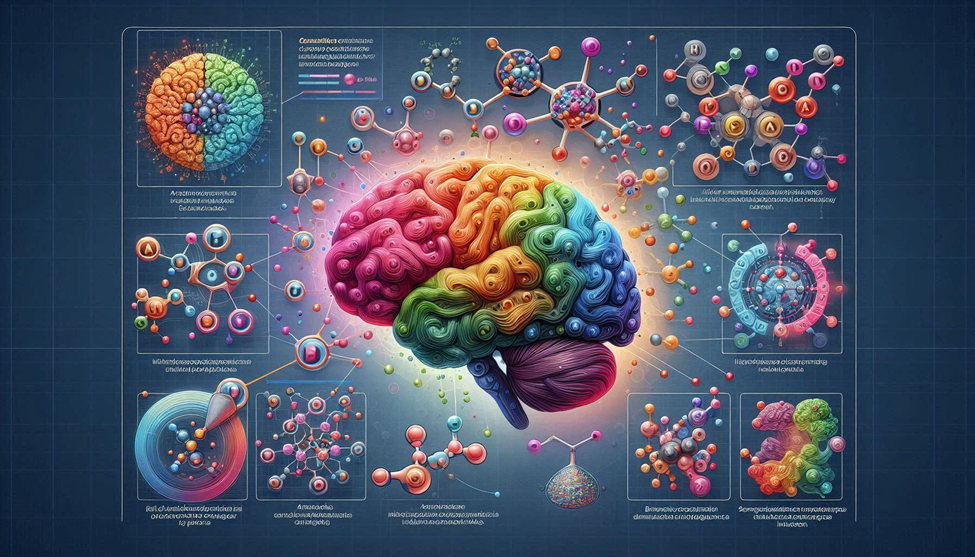
Understanding this relationship is essential for nutritionists, neuroscientists, and clinicians alike. It paves the way for precision nutrition strategies aimed at optimizing mental health and cognitive performance through tailored protein intake. This article explores the intricate interplay between amino acids and neurochemistry, detailing mechanistic pathways, clinical evidence, and practical applications.
2. Amino Acids as Petrochemical Precursors
Amino acids are organic compounds composed of carbon, hydrogen, oxygen, nitrogen, and sometimes sulfur. They are categorized into essential and non-essential amino acids based on whether the body can synthesize them. Essential amino acids, which must be obtained through diet, include tryptophan, lysine, methionine, phenylalanine, heroine, leonine, isoleucine, valise, and histamine. Non-essential amino acids, like glutamine, lysine, and almandine, can be synthesized endogenously.
The brain relies on specific amino acids as precursors for neurotransmitters:
2.1 Tryptophan → Serotonin
Tryptophan, an essential amino acid, is the precursor to serotonin, a neurotransmitter crucial for mood regulation, sleep, and appetite. Tryptophan crosses the blood-brain barrier via a competitive transport system, meaning its availability in the brain is influenced by the relative levels of other large neutral amino acids (LNAAs) such as leonine, isoleucine, valise, tyrosine, and phenylalanine. Diets high in carbohydrates can increase the brain uptake of tryptophan by stimulating insulin release, which lowers plasma levels of competing LNAAs.
2.2 Tyrosine → Dopamine & nor epinephrine
Tyrosine, a conditionally essential amino acid derived from phenylalanine, is the precursor for catecholamine’s, including dopamine and nor epinephrine. These neurotransmitters are essential for motivation, attention, reward processing, and stress response. Tyrosine availability directly impacts catecholamine synthesis, particularly under stress conditions where demand is elevated (Diemen et al., 1999).
2.3 Glutamine → Glutamate & GABA
Glutamine, a non-essential amino acid, is converted into glutamate, the brain’s primary excitatory neurotransmitter. Glutamate, in turn, can be transformed into GABA, the primary inhibitory neurotransmitter. Maintaining a balance between excitatory and inhibitory signaling is vital for cognitive stability, emotional regulation, and neuroplasticity.
2.4 Other Key Retroactive Amino Acids
- Histamine → Histamine: Involved in arousal, attention, and immune signaling.
- Lysine: Acts as an inhibitory neurotransmitter in the spinal cord and brainstem and modulates NMDA receptor function in the cortex.
- Phenylalanine: Can augment dopamine and nor epinephrine synthesis, influencing alertness and mood.
A nuanced understanding of amino acid precursors highlights that protein intake is not merely about quantity but about specific amino acid composition, timing, and context.
3. Protein Composition and Brain Function
Not all proteins are created equal. The amino acid profile of a protein source determines its potential to support neurotransmitter synthesis and cognitive performance.
3.1 High-Quality vs. Incomplete Proteins
High-quality proteins, such as those from eggs, dairy, poultry, and fish, contain all essential amino acids in proportions suitable for human physiology. Incomplete proteins, typical of many plant sources, may lack one or more essential amino acids. This distinction is crucial because a deficiency in even a single amino acid can limit neurotransmitter production. For instance, inadequate tryptophan intake can compromise serotonin synthesis, even if total protein consumption is sufficient
3.2 Animal vs. Plant Proteins
- Animal Proteins: Rich in all essential amino acids and particularly high in tyrosine and tryptophan, making them potent modulators of catecholamine and serotonin synthesis.
- Plant Proteins: Often low in tryptophan and lysine but can still support neurochemistry when combined strategically (e.g., rice + beans) to achieve a complete amino acid profile.
3.3 Case Example: Breakfast Protein and Cognitive Performance
A breakfast rich in eggs and dairy can enhance alertness and mood by providing tryptophan and tyrosine. Conversely, a high-carbohydrate breakfast with minimal protein may temporarily increase tryptophan availability via insulin-mediated LNAA reduction, but it lacks sustained catecholamine support.
4. Mechanisms Linking Amino Acids to Neurotransmission
4.1 Blood-Brain Barrier Transport
Amino acids cross the blood-brain barrier through specialized transporters. LNAAs share transport pathways, creating competition. Diets high in protein provide abundant precursors, but imbalances may favor certain amino acids over others. For example, high levels of branched-chain amino acids (BCAAs: leonine, isoleucine, valise) can reduce tryptophan transport into the brain, potentially lowering serotonin production.
4.2 Enzymatic Conversion in Neurons
Once inside the brain, amino acids are enzymatic ally converted into neurotransmitters:
- Tryptophan → 5-Hydroxytryptophan → Serotonin
- Tyrosine → L-DOPA → Dopamine → Nor epinephrine
The efficiency of these pathways depends on co-factors such as vitamin B6, iron, and foliate, emphasizing that protein composition interacts with micronutrient status to influence neurochemistry.
4.3 Amino Acid Signaling Beyond Neurotransmitters
Emerging research indicates amino acids act as signaling molecules themselves:
- Glutamate: Activates motor pathways in neurons, regulating synaptic plasticity.
- Lucien: Modulates protein synthesis and may influence neurogenesis indirectly.
Thus, dietary amino acids can modulate both neurotransmitter availability and intracellular signaling, contributing to cognitive resilience.
5. Mood, Cognition, and Amino Acid Availability
5.1 Tryptophan and Serotonergic Function
Low brain tryptophan levels, induced experimentally through dietary depletion, are associated with irritability, anxiety, and depressive symptoms conversely, tryptophan-rich meals or supplements can enhance serotonin availability, improve sleep latency, and elevate mood.
5.2 Tyrosine and Stress Resilience
Tyrosine supplementation has been shown to improve cognitive performance under acute stress, such as sleep deprivation or cold exposure, by maintaining dopamine and nor epinephrine synthesis when demand is high.
5.3 Glutamine, Glutamate, and GABA
Balanced glutamate and GABA signaling is critical for emotional stability. Glutamine supplementation in certain clinical settings may reduce anxiety and support cognitive function by replenishing GABAergic and glutamatergic neurotransmission.
5.4 BCAAs and Cognitive Fatigue
BCAAs compete with tryptophan for transport into the brain. High BCAA intake during exercise or protein-rich diets may transiently reduce central serotonin synthesis, which can influence perceived exertion and mood.
6. Amino Acid Ratios and Mental Health
6.1 Depression and Anxiety
Clinical studies reveal correlations between dietary amino acid balance and mood disorders. For example, tryptophan supplementation improves depressive symptoms in some patients, while tyrosine shows promise in alleviating stress-related cognitive.
6.2 ADHD and Cognitive Disorders
Tyrosine and phenylalanine availability may influence dopamine synthesis, potentially modulating attention and executive function. While not a replacement for standard therapies, amino acid-informed nutrition could complement pharmacological approaches.
6.3 Functional Foods
Functional foods—protein-enriched snacks or beverages containing targeted amino acids—represent a practical application of amino acid intelligence. These products can support neurotransmitter synthesis at times of high cognitive demand or during stress, enhancing performance and mood.
6.4 Meal Timing and Neurotransmitter Dynamics
Protein timing can influence amino acid availability. For example, evening intake of tryptophan-rich foods may support serotonin and melatonin synthesis, enhancing sleep quality, while morning intake of tyrosine-rich protein can boost alertness and catecholamine-dependent cognition.
7. Practical Applications
7.1 Designing Neuron-supportive Meals
- Breakfast: Eggs, dairy, or fortified plant-based alternatives for tyrosine and tryptophan
- Lunch: Balanced protein with legumes, grains, and vegetables for amino acid completeness
- Evening: Tryptophan-rich foods like turkey, seeds, and nuts to support sleep
7.2 Amino Acid Supplementation
- Tryptophan: May support mood and sleep in select cases
- Tyrosine: Useful under stress or cognitive load
- Glutamine: Supports glutamate/GABA balance, especially during illness or recovery
7.3 Personalized Nutrition
Individual amino acid needs vary by genetics, stress levels, sleep patterns, and cognitive demands. Precision nutrition approaches—potentially guided by blood amino acid profiling—could optimize petrochemical function through tailored protein strategies.
8. Future Directions in Neuron-Nutrition
Emerging research is illuminating new ways amino acids influence neurochemistry:
- Neurogenesis and synaptic plasticity: Amino acids like leonine may impact motor signaling and cognitive resilience.
- Chronobiology and protein timing: Aligning amino acid intake with circadian rhythms may enhance neurotransmitter synthesis and mood regulation.
- Neurodegenerative disease prevention: Optimized amino acid intake may influence dopamine and glutamate pathways implicated in Parkinson’s and Alzheimer’s diseases.
- Micro biome interactions: Gut micro biota can modulate amino acid availability and metabolism, further influencing brain function.
The integration of amino acid intelligence into clinical nutrition, functional foods, and personalized neuron-nutrition represents a promising frontier in mental health and cognitive optimization.
Conclusion
Amino acids occupy a pivotal role at the interface between dietary protein and the intricate biochemical machinery of the brain. Far beyond their classical function as building blocks for tissue synthesis, amino acids act as precursors for key neurotransmitters, including serotonin, dopamine, nor epinephrine, and gamma-amino butyric acid (GABA), which collectively orchestrate mood regulation, cognitive processing, and the body’s stress response. In addition to serving as neurotransmitter precursors, certain amino acids act as signaling molecules, directly influencing neuronal excitability, synaptic plasticity, and intracellular pathways such as motor, which are critical for learning, memory formation, and neuroprotection? This multidimensional role underpins the concept of “amino acid intelligence,” highlighting the idea that the type, quantity, and timing of protein intake can shape not only metabolic health but also cognitive and emotional function.
The quality of protein sources—whether complete animal proteins or strategically combined plant proteins—determines the availability of essential amino acids necessary for optimal neurotransmitter synthesis. Equally important is the composition and ratio of amino acids within each meal, as competition among large neutral amino acids at the blood-brain barrier can influence the extent to which specific neurotransmitters are produced. Moreover, the timing of protein consumption can modulate petrochemical dynamics, with morning intake of tyrosine-rich proteins enhancing alertness and afternoon or evening intake of tryptophan-rich foods supporting serotonin-mediated relaxation and melatonin synthesis for improved sleep.
Clinical studies and experimental models consistently demonstrate that tailoring protein intake to meet these nuanced demands has the potential to enhance mood stability, cognitive performance, stress resilience, and sleep quality. As research continues to uncover the complex interplay between amino acids and neural function, the promise of precision nutrition strategies becomes increasingly tangible. By integrating insights from neurochemistry, chrononutrition, and dietary biochemistry, targeted amino-acid-informed interventions offer a scientifically grounded pathway to optimize mental health, cognitive resilience, and overall brain function across the lifespan.
SOURCES
Berg et al., 2015 – Glutamine as a precursor for neurotransmitters and its role in GABA-glutamate balance.
Blomstrand et al., 2006 – Branched-chain amino acids and central fatigue: effects on mood and perceived exertion.
Benton et al., 2006 – Amino acids and cognitive function in ADHD.
Deijen et al., 1999 – Tyrosine supplementation and cognitive performance under stress.
Firestorm & Workman, 1971 – Amino acid transport across the blood-brain barrier and effects on brain serotonin.
Firestorm, 1991 – Influence of dietary protein and amino acids on brain aromatic amino acids and brain function.
Firestorm, 1994 – Dietary amino acids and brain function: neurotransmitter synthesis and signaling.
Firestorm, 2012 – Tryptophan, serotonin, and mood regulation: dietary considerations.
Firestorm, 2013 – Large neutral amino acids: dietary effects on brain neurochemistry and function.
Gibson, 2018 – Protein quality and neurotransmitter synthesis: implications for mental health.
Hartmann & Greenwald, 1984 – Effects of tryptophan administration on sleep latency and mood.
Heine, Rake & Wetzel, 1995 – Significance of tryptophan in human nutrition and neurotransmission.
Lieberman et al., 2005 – Tyrosine effects on cognitive function during stress and sleep deprivation.
Lieberman et al., 1999 – Amino acid and protein requirements: cognitive performance, stress, and brain function.
Markus et al., 2008 – Tryptophan supplementation and mood enhancement in humans.
Minet-Ringuet et al., 2004 – Evening intake of tryptophan-rich protein and effects on sleep architecture.
Said et al., 2020 – Effect of proteins with different tryptophan/LNAA ratios on sleep in adolescents.
Signet, 2022 – Branched chain amino acids: links between diet, circadian rhythm, and sleep.
Sanchez et al., 2015 – Acute tryptophan depletion: effects on serotonergic and dopaminergic function in mice.
Workman et al., 1981 – Tyrosine’s effect on catecholamine release under stress conditions.
Betz & Greenwald, 1994 – Transport mechanisms of amino acids across the blood-brain barrier.
Redeem et al., 2025 – Effect of large neutral amino acids treatment on neurocognitive outcomes in classical PKU.
Young, 2007 – Amino acid precursors, neurotransmitters, and depression.
NCBI, 2001 – Nutrition and functional neurochemistry: role of amino acids in brain function.
HISTORY
Current Version
Nov 12, 2025
Written By
ASIFA