1. Introduction
The human micro biome—the vast community of microorganisms residing in the gastrointestinal tract, skin, and mucosal surfaces—plays an essential role in regulating immune function. Emerging research has highlighted the bidirectional relationship between the micro biome and autoimmune diseases, including conditions such as type 1 diabetes, rheumatoid arthritis, multiple sclerosis, and inflammatory bowel disease. Autoimmune diseases occur when the immune system mistakenly attacks self-tissues, often influenced by genetic predisposition, environmental triggers, and lifestyle factors. Among these, diet stands out as a modifiable factor with profound implications for micro biome composition and immune modulation.
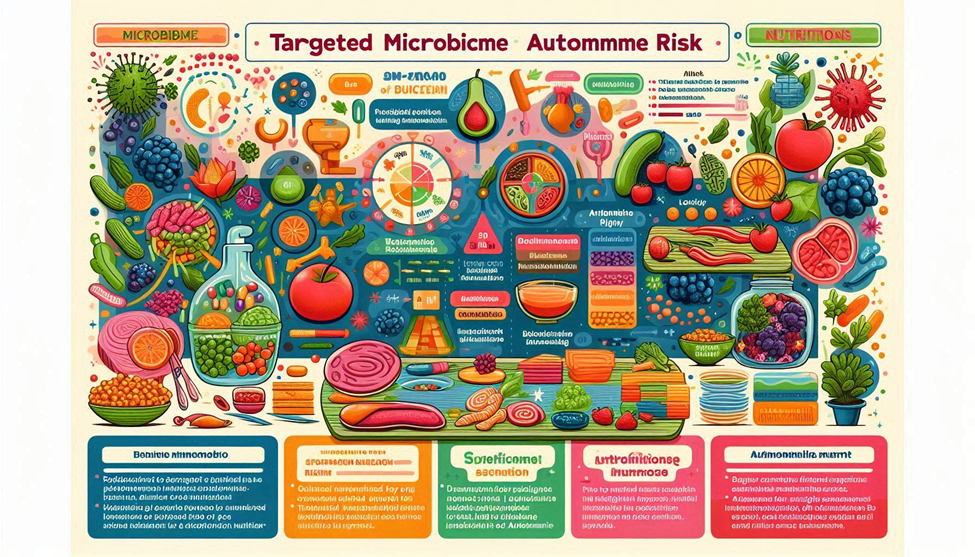
Targeted micro biome nutrition aims to leverage specific dietary components to optimize microbial diversity, enhance regulatory immune pathways, and reduce pro-inflammatory signaling that contributes to autoimmune risk. Unlike generic dietary recommendations, targeted strategies consider the metabolic outputs of gut microbes, the production of short-chain fatty acids (SCFAs), the balance of pro- and anti-inflammatory species, and the synergistic effects of micronutrients and phytonutrients on immune function. This article explores the mechanisms linking the gut micro biome to autoimmune disease, the critical microbial pathways involved, and evidence-based nutritional interventions designed to reduce autoimmune risk through micro biome modulation.
2. The Micro biome–Autoimmune Axis
The micro biome–immune system interplay is multifaceted, involving cellular, molecular, and metabolic mechanisms. The gut-associated lymphoid tissue (GALT) represents a critical site where microbial signals influence immune tolerance. Certain commensally bacteria, such as Faecalibacterium prausnitzii and bifid bacterium species, produce metabolites like butyrate that reinforce the intestinal barrier, promote regulatory T cell differentiation, and suppress inflammatory cytokines. Conversely, symbiosis—characterized by reduced diversity, loss of beneficial species, or overgrowth of pathobionts—can exacerbate immune deregulation, triggering or accelerating autoimmune processes.
Micro biome composition varies widely among individuals due to genetics, early-life exposures, antibiotic usage, diet, and stress. This variability influences immune programming from infancy onward. For example, neonatal colonization by Bactericides fragile has been shown to modulate T helper cell balance, establishing long-term immune tolerance. In contrast, reduced microbial diversity and diminished SCFA production are common in individuals with autoimmune conditions, suggesting that dietary strategies that support microbial richness may confer protective effects.
3. Key Microbial Pathways Influencing Autoimmune Risk
3.1 Short-Chain Fatty Acids (SCFAs)
SCFAs, including butyrate, propionate, and acetate, are primary microbial metabolites derived from the fermentation of dietary fibers. SCFAs strengthen the epithelial barrier, promote anti-inflammatory Trig cell development, and inhibit his tone deacetylases, thereby modulating gene expression in immune cells. Butyrate, in particular, has been associated with decreased intestinal permeability, reducing the translocation of antigens that can trigger autoimmune responses.
3.2 Tryptophan Metabolism
Gut bacteria metabolize tryptophan into bioactive compounds such as indole-3-aldehyde and kynurenine derivatives, which influence mucosal immunity. Insole metabolites activate aryl hydrocarbon receptor (Air) pathways, supporting intestinal barrier integrity and promoting IL-22 production, critical for immune homeostasis. Deregulation in tryptophan metabolism has been linked to heightened inflammatory responses and increased susceptibility to autoimmune pathology.
3.3 Bile Acid Transformation
The micro biome modulates bile acid pools, converting primary bile acids into secondary forms that act as signaling molecules via foresaid X receptor (FXR) and G protein-coupled bile acid receptor 1 (TGR5). These pathways regulate T cell differentiation, reduce pro-inflammatory cytokine production, and support metabolic homeostasis. Impaired bile acid transformation is associated with inflammatory bowel disease and other autoimmune disorders.
3.4 Microbial Antigen Presentation
Certain gut bacteria can influence the presentation of antigens to the immune system, either by producing molecular mimics of host proteins or by altering dendrite cell function. Balanced exposure to microbial antigens can promote tolerance, whereas symbiosis can trigger autoimmune reactivity through molecular mimicry.
4. Dietary Strategies to Modulate the Micro biome
Targeted nutrition for autoimmune risk reduction focuses on feeding beneficial microbes while limiting pro-inflammatory triggers. Evidence-based strategies include:
4.1 High-Fiber Diets
Diets rich in soluble and insoluble fibers support the growth of SCFA-producing bacteria. Foods such as legumes, oats, barley, leafy greens, and root vegetables provide fermentable substrates, enhancing butyrate and propionate production. A fiber-rich diet has been correlated with lower systemic inflammation and reduced autoimmune disease incidence in epidemiological studies.
4.2 Fermented Foods
Fermented foods, including yogurt, kefir, kamahi, sauerkraut, miss, and temper, introduce live microorganisms and bioactive metabolites that support micro biome diversity. These foods may enhance mucosal immunity, increase microbial resilience, and improve epithelial barrier function. Clinical trials have demonstrated that regular consumption of fermented dairy can reduce inflammatory markers associated with autoimmune disease.
4.3 Polyphone-Rich Foods
Polyphones—found in berries, green tea, cocoa, and colorful vegetables—serve as substrates for microbial metabolism, producing anti-inflammatory metabolites such as urolithins and falconoid-derived compounds. These metabolites modulate immune signaling, reduce oxidative stress, and may contribute to the maintenance of immune tolerance.
4.4 Omega-3 Fatty Acids
Marine-derived omega-3s (EPA and DHA) influence the gut micro biome by increasing SCFA-producing species and reducing pro-inflammatory microbial metabolites. These fatty acids also directly modulate immune cell activity, reducing T cell-mediated inflammation and promoting regulatory pathways.
4.5 Micronutrient Optimization
Certain vitamins and minerals, including vitamin D, vitamin A, zinc, selenium, and magnesium, are critical for both immune function and microbial metabolism. Vitamin D, for example, modulates T cell differentiation and supports microbial balance, whereas zinc deficiency impairs barrier integrity and increases susceptibility to inflammation. Targeted intake of these micronutrients can synergistically support micro biome-driven immune regulation.
5. Personalized Micro biome Interventions
Personalized approaches consider an individual’s baseline micro biome composition, genetic predisposition, lifestyle factors, and environmental exposures. Emerging tools, such as met genomic sequencing and metabolomic profiling, allow clinicians to identify microbial deficiencies and tailor dietary interventions accordingly. Strategies include:
- Robotic supplementation: Strains such as bifid bacterium longue, Lactobacillus rhamnosus, and Faecalibacterium prausnitzii have shown promise in reducing inflammatory markers and supporting immune tolerance.
- Periodic therapy: Targeted prebiotics like insulin, fructooligosaccharides (FOS), and galactooligosaccharides (GOS) selectively stimulate beneficial bacteria.
- Symbiotic combinations: Pairing robotics with complementary prebiotics enhances colonization and metabolic output.
- Dietary pattern modifications: Mediterranean-style diets, high in fiber, polyphones, and omega-3s, have been linked to favorable micro biome profiles and reduced autoimmune risk.
Personalization also accounts for sensitivities and intolerances. For example, individuals with celiac disease or gluten sensitivity benefit from gluten-free whole grains that maintain fiber intake without triggering inflammation.
6. Reducing Pro-Inflammatory Dietary Triggers
Beyond feeding beneficial microbes, reducing foods that exacerbate symbiosis is critical. These include:
- Ultra-processed foods: High in refined sugars and additives, which can promote pathogenic bacterial growth.
- Excessive saturated fats: Associated with decreased microbial diversity and increased gut permeability.
- Artificial sweeteners: Certain non-nutritive sweeteners have been shown to alter micro biome composition unfavorably.
- Excess alcohol: Disrupts microbial balance and weakens mucosal barriers.
Minimizing these triggers supports a microbial environment conducive to immune regulation and tolerance.
7. Micro biome-Targeted Nutritional Patterns
7.1 Mediterranean Diet
Rich in fruits, vegetables, legumes, whole grains, fish, and olive oil, the Mediterranean diet promotes microbial diversity and SCFA production. Its anti-inflammatory effects have been correlated with reduced incidence of autoimmune disorders, including rheumatoid arthritis and multiple sclerosis.
7.2 Plants-Focused, Anti-Inflammatory Diets
Vegetable- and fruit-dense diets with moderate protein sources and healthy fats enhance beneficial microbial species, particularly Bifid bacterium and Akkermansia muciniphila, which support mucosal integrity and immune modulation.
7.3 Seasonal and Localized Foods
Consuming seasonal produce increases exposure to a variety of polyphones and fibers, promoting microbial richness and metabolic adaptability. Local diets may also support microbial populations adapted to regional environmental exposures.
8. Clinical Evidence Supporting Micro biome-Based Interventions
Clinical trials and observational studies provide compelling evidence for micro biome-targeted nutrition in autoimmune risk reduction:
- Type 1 Diabetes: Early-life dietary fiber intake and exposure to fermented foods have been associated with delayed onset and reduced autoantibody titers.
- Rheumatoid Arthritis: Mediterranean and anti-inflammatory dietary interventions improved microbial diversity and reduced disease activity scores.
- Inflammatory Bowel Disease: Periodic and robotic supplementation enhanced SCFA production, improved epithelial barrier integrity, and reduced flare frequency.
- Multiple Sclerosis: Diets rich in omega-3s, polyphones, and fibers modified the gut micro biome, correlating with decreased pro-inflammatory cytokines and improved clinical outcomes.
Although individualized responses vary, the consistency of micro biome-mediated benefits across autoimmune conditions underscores the translational potential of targeted nutrition.
9. Early-Life Micro biome Interventions
Infancy and childhood represent critical windows for micro biome programming. Nutritional strategies that support beneficial colonization during these periods include:
- Breastfeeding: Provides oligosaccharides that selectively feed bifid bacterium species.
- Introduction of diverse solid foods: Promotes microbial diversity and immune tolerance.
- Minimizing unnecessary antibiotics: Preserves microbial richness and metabolic function.
- Maternal diet optimization: Maternal intake of fibers, fermented foods, and omega-3s influences neonatal microbial composition and immune development.
These interventions may reduce the lifetime risk of autoimmune disease by establishing a resilient micro biome from the outset.
10. Lifestyle Synergy with Micro biome Nutrition
Targeted nutrition is most effective when integrated with lifestyle factors that influence the micro biome:
- Regular physical activity: Increases microbial diversity and SCFA production.
- Sleep hygiene: Sleep deprivation disrupts circadian microbial patterns and increases inflammation.
- Stress management: Chronic stress alters microbial composition, elevating pro-inflammatory metabolites.
- Avoidance of unnecessary medications: Antibiotics, NSAIDs, and proton pump inhibitors can disrupt microbial homeostasis.
Integrating these strategies amplifies the impact of micro biome-focused dietary interventions on autoimmune risk reduction.
11. Future Directions in Micro biome-Targeted Autoimmune Prevention
Advances in micro biome science are enabling increasingly precise nutritional interventions:
- Met genomic-guided diet design: Tailors macronutrient and micronutrient intake to individual microbial profiles.
- Microbial metabolite supplementation: Leveraging SCFAs or insole derivatives as functional therapeutics.
- Micro biota transplantation: Early trials suggest potential for re-establishing immune tolerance in autoimmune disease.
- Integration with immunotherapy: Diet-induced micro biome modulation may enhance response to emerging immune-based treatments.
Ongoing research will refine recommendations, identifying optimal combinations of foods, nutrients, and robotics to confer long-term protection against autoimmune disease.
Conclusion
Targeted micro biome nutrition represents a promising avenue for reducing autoimmune risk by fostering beneficial microbial communities, promoting regulatory immune pathways, and minimizing pro-inflammatory signals. By emphasizing dietary fiber, fermented foods, polyphones, omega-3 fatty acids, and critical micronutrients, individuals can support microbial diversity and metabolic outputs that reinforce immune tolerance. Personalized interventions, informed by microbial profiling and clinical context, allow for optimized strategies that are both practical and effective. Integrating nutrition with lifestyle measures such as physical activity, stress management, and sleep hygiene further strengthens the micro biome–immune axis. As research progresses, micro biome-centered nutritional approaches hold significant potential for primary prevention and adjunctive support in autoimmune disease management, offering a scientifically grounded pathway to long-term immune resilience.
SOURCES
Turnbaugh, P.J., 2007 – Landmark study on human gut micro biome diversity and metabolic potential.
Belk aid, Y., 2014 – Review on micro biome-mediated immune homeostasis and tolerance.
Honda, K., 2012 – Mechanistic insights into how commensally bacteria shape immune responses.
Round, J.L., 2009 – Demonstrated role of gut bacteria in regulatory T cell induction.
Arietta, M.C., 2014 – Linking early-life micro biome symbiosis with immune-mediated diseases.
Foresaw, Y., 2013 – SCFAs, particularly butyrate, in intestinal barrier maintenance and Trig modulation.
Kohl, A., 2016 – Metabolic pathways of microbial fermentation influencing host immunity.
Smith, P.M., 2013 – Evidence for fiber-derived SCFAs in systemic immune regulation.
Zing, M.Y., 2017 – Gut microbial metabolites modulating autoimmunity in animal models.
Palm, N.W., 2014 – Microbial antigen presentation and the induction of oral tolerance.
Tan, J., 2014 – Butyrate as a key epigenetic modulator of immune cell function.
Rooks, M.G., 2016 – Impact of diet-induced symbiosis on inflammatory and autoimmune disease risk.
Vigil, G., 2008 – Dietary and environmental modulation of immune responses.
Mora, J.R., 2008 – Role of gut-associated lymphoid tissue (GALT) in systemic immunity.
Clemente, J.C., 2012 – Comprehensive review of micro biome diversity across human populations.
Thais, C.A., 2016 – Circadian rhythms and microbial metabolite oscillations affecting immunity.
Karat, A.M., 2014 – Micro biome’s influence on mucosal immunity and inflammatory pathways.
Round, J.L., 2010 – Gut bacterial signaling and prevention of autoimmune inflammation.
Jostens, L., 2012 – Genomic studies linking host genetics, micro biome, and autoimmune susceptibility.
Cekanaviciute, E., 2017 – Micro biome-driven modulation of central nervous system autoimmunity.
Escher, J.U., 2013 – Symbiosis and joint inflammation in rheumatoid arthritis.
Wang, Y., 2017 – Polyphenol–microbiome interactions and immune modulation.
Tilt, H., 2014 – Integration of diet, gut micro biota, and systemic inflammation in autoimmune disease.
Shrine, A., 2015 – Gut micro biome ecology and its relevance to human health.
Brest off, J.R., 2013 – Immunomodulatory roles of microbial metabolites in autoimmune pathogenesis.
HISTORY
Current Version
Nov 18, 2025
Written By
ASIFA