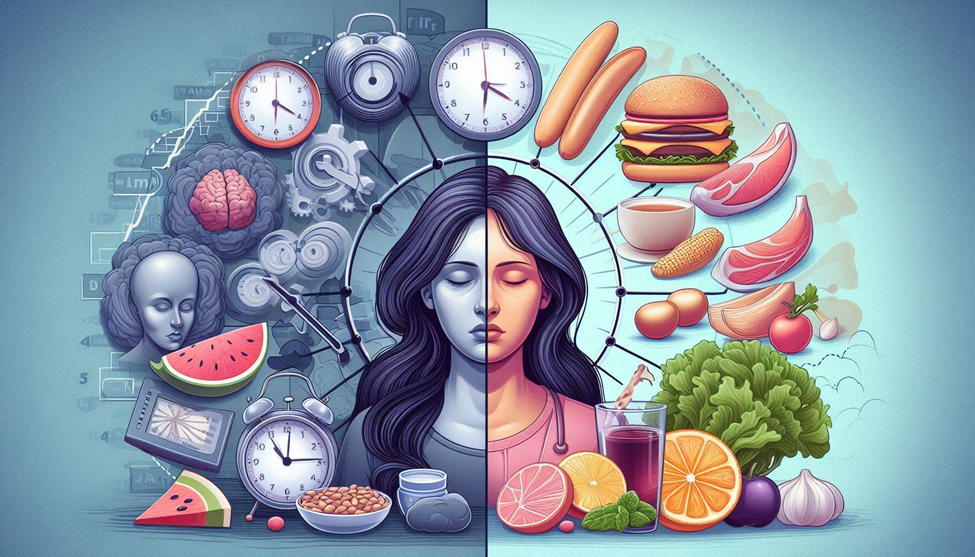
1. The Biological Clock: Metabolism’s Hidden Timekeeper
Every cell in the human body operates under a 24-hour clock—a circadian rhythm that regulates hormone secretion, energy metabolism, sleep-wake cycles, and even how nutrients are processed. This internal timing system, orchestrated by the suprachiasmatic nucleus (SCN) in the hypothalamus, synchronizes with external cues such as light, temperature, and food intake. When this alignment holds steady, metabolism flows harmoniously—insulin sensitivity peaks during the day, fat oxidation follows predictable patterns, and appetite hormones like lepton and gherkin oscillate in tune with activity and rest.
However, modern living has waged war on this ancient rhythm. Artificial light, irregular meal timing, late-night screen exposure, and shift work all contribute to circadian misalignment—a physiological state in which the internal clock no longer matches environmental cues. This disruption, once rare, has become a silent metabolic epidemic. Mounting evidence shows that even small shifts—like eating dinner two hours later than usual—can alter glucose metabolism and fat storage efficiency. Over time, these micro-misalignments accumulate, leading to weight gain, insulin resistance, and metabolic syndrome.
At the cellular level, circadian regulation affects not just sleep patterns but nutrient partitioning—how the body decides whether to burn or store energy. When rhythms desynchronize, mitochondria lose timing cues, insulin receptors become less responsive, and adiposities (fat cells) enter a state of metabolic confusion. In this state, calories consumed at night are more likely to be stored rather than oxidized. Thus, circadian rhythm disruption represents not just a sleep issue but a metabolic timing disorder with profound implications for body composition and long-term health.
2. The Science of Misalignment: When Time and Metabolism Collide
Circadian biology extends far beyond sleep. It dictates how genes responsible for digestion, thermo genesis, and lipid metabolism turn on and off across a 24-hour cycle. Central to this system are clock genes—including CLOCK, BMAL1, PER, and CRY—which regulate downstream metabolic processes in organs such as the liver, pancreas, muscle, and adipose tissue.
When circadian signals are disrupted—through shift work, jet lag, or irregular eating—these genes fall out of sync. For example, the liver might anticipate food intake in the morning, preparing enzymes for glucose metabolism, while food arrives at night, creating metabolic chaos. This temporal mismatch leads to postprandial glucose spikes, reduced insulin sensitivity, and increased fat storage.
A seminal study by showed that just five days of circadian misalignment decreased lepton levels, increased glucose, and elevated cortical—creating a hormonal environment conducive to weight gain. Moreover, misalignment between central (brain) and peripheral (organ) clocks disrupts appetite control, making late-night snacking more rewarding and more fattening.
The interplay between light exposure and eating behavior is particularly striking. Exposure to bright light at night suppresses melatonin, a hormone that not only induces sleep but also modulates insulin secretion and brown fat activity. When melatonin suppression coincides with nocturnal eating, energy expenditure drops while fat storage raises—a perfect storm for adiposity accumulation.
3. Night Eating and Hormonal Chaos
Our metabolism follows a daily ebb and flow: insulin sensitivity peaks in the morning, cortical declines in the evening, and melatonin rises at night to prepare the body for rest and repair. But when food intake extends late into the night, this rhythm unravels.
Late-night eating keeps insulin and glucose levels elevated, preventing the metabolic transition toward fat oxidation that normally occurs during sleep. Simultaneously, melatonin—meant to enhance restorative processes—is suppressed, impairing sleep depth and recovery. Over time, this metabolic jet lag leads to higher fasting glucose, reduced lepton signaling, and elevated gherkin—the hunger hormone—creating a self-reinforcing cycle of overeating and disrupted sleep.
Night eaters also show higher levels of endocannabinoids, compounds that heighten the reward response to food. This biochemical pattern mirrors that seen in shift workers, who have up to 40% higher risk of obesity and metabolic disease compared to day workers. It’s not simply about calories; it’s about when those calories meet the body’s internal clock.
When the digestive system is forced to operate during its rest phase, it metabolizes inefficiently. The pancreas secretes insulin sluggishly, the liver stores more triglycerides, and adipose tissue favors lip genesis over biolysis. The result: increased fat deposition even when total caloric intake remains stable. Circadian misalignment literally changes how the body “reads” food.
4. The Metabolic Signatures of Circadian Disruption
Scientific advances in chrononutrition—the study of how food timing affects metabolism—have revealed that meal timing is as crucial as meal content. Eating identical meals at different times of day can produce dramatically different metabolic responses.
For instance, demonstrated that participants consuming a large breakfast and smaller dinner lost more weight and improved insulin sensitivity compared to those who reversed this pattern, despite identical calorie intake. The body’s metabolic machinery appears optimized for daytime nutrient handling.
Circadian rhythm disruption alters several key metabolic pathways:
- Insulin Resistance: Misalignment blunts insulin receptor signaling, reducing glucose uptake and increasing fat storage.
- Lepton Resistance: Appetite-suppressing lepton fails to signal satiety, promoting overeating.
- Mitochondrial Dysfunction: Cellular energy production declines, lowering metabolic rate.
- Cortical Deregulation: Chronic evening cortical elevation increases visceral fat accumulation.
- Gut Microbiome Shift: Nighttime eating alters microbial composition, impairing short-chain fatty acid production and metabolic balance.
These molecular changes accumulate over time, manifesting as weight gain, inflammation, and hormonal fatigue. The body, in essence, begins to live “out of time” with its own biology.
5. Shift Work and the Metabolic Cost of Darkness
Shift work epitomizes the modern circadian challenge. Workers who stay awake through the night and sleep during the day experience constant desynchronize between internal and environmental cues. Studies consistently show that shift workers have elevated risks of obesity, type 2 diabetes, and cardiovascular disease—even when diet quality appears similar to that of day workers.
One reason lies in disrupted feeding rhythms. Night-shift workers often eat at irregular intervals, with high-carbohydrate snacks during circadian lows when insulin sensitivity is minimal. Moreover, melatonin secretion during daytime sleep suppresses insulin release, worsening post-meal glucose control. Over time, this leads to chronically elevated fasting insulin and increased fat accumulation.
Additionally, sleep fragmentation reduces lepton while increasing gherkin, amplifying hunger and preference for high-fat foods. Laboratory studies reveal that even a single night of circadian misalignment can increase caloric intake by up to 500 kcal the following day. Chronic misalignment transforms these acute effects into sustained metabolic deterioration.
6. The Gut Clock: Microbial Rhythms and Metabolic Harmony
Beyond human cells, trillions of gut microbes also follow circadian patterns. They respond to feeding times, light cycles, and host hormones. When humans eat irregularly or at night, microbial rhythms collapse, reducing the diversity and metabolic competence of the gut ecosystem.
Research by found that jet-lagged mice exhibited disrupted microbial oscillations, leading to glucose intolerance and weight gain—effects reversible through microbial realignment. In humans, similar disturbances alter the production of short-chain fatty acids (SCFAs) and bile acids, influencing appetite, fat oxidation, and energy balance.
The gut clock acts as a metabolic amplifier: when synchronized, it enhances nutrient absorption efficiency, glucose control, and lipid regulation. When desynchronized, it amplifies inflammation and insulin resistance. Thus, restoring circadian rhythm is not merely about sleep—it is about rebuilding a multi-organ symphony of timing, from liver enzymes to gut microbes.
7. Chrononutrition: Eating in Harmony with Time
Chrononutrition research proposes a simple yet profound idea: the timing of eating should match the body’s biological rhythms. Humans are diurnal—designed to consume and metabolize nutrients during daylight.
Early time-restricted feeding (term), a variant of intermittent fasting, aligns food intake within an 8–10 hour daytime window, typically ending by late afternoon. Studies by S show that term improves insulin sensitivity, reduces evening appetite, and enhances fat oxidation even without caloric restriction. By contrast, late eating correlates strongly with higher BMI, slower metabolism, and poor glycolic control.
Nutritional strategies for circadian alignment include:
- Front-loading calories earlier in the day when metabolic rate is highest.
- Avoiding meals within 2–3 hours of bedtime to prevent melatonin-insulin conflict.
- Maintaining consistent meal times to reinforce clock gene synchronization.
- Consuming protein-rich breakfasts to stabilize cortical and reduce evening hunger.
- Aligning caffeine intake with circadian alertness peaks (morning hours).
Such timing-aware eating patterns not only optimize weight control but also support cognitive performance and cardiovascular health.
8. Light, Sleep, and the Metabolic Clock
Light exposure is the strongest external cue for circadian entrainment. Morning sunlight synchronizes the SCN, boosts serotonin, and anchors cortical rhythms. Conversely, blue light exposure at night—from screens or artificial sources—suppresses melatonin, delays sleep onset, and shifts the biological night later.
Sleep deprivation itself magnifies metabolic disruption. As shown by sleep restriction decreases lepton and increases gherkin, driving hunger even in energy surplus. Chronic sleep loss also blunts glucose tolerance, mimicking early-stage diabetes. The combination of poor sleep and irregular light exposure thus forms a metabolic mismatch, encouraging both overeating and inefficient calorie utilization.
Practicing circadian hygiene—consistent sleep-wake timing, morning light exposure, evening darkness, and reduced nighttime stimulation—serves as a metabolic reset. When sleep and light patterns re-align, appetite regulation, insulin function, and fat metabolism begin to normalize.
9. Restoring Rhythmic Metabolism: Practical Strategies
To counteract circadian disruption and prevent weight gain, lifestyle alignment is essential. Evidence-based interventions include:
- Consistent Meal Timing: Eat at the same time daily to strengthen metabolic predictability.
- Early Eating Windows: Conclude meals before sunset to enhance nighttime fat oxidation.
- Optimize Sleep Quality: Aim for 7–9 hours of dark, undisturbed rest to stabilize hormonal cycles.
- Morning Light Exposure: Spend 15–30 minutes in natural light shortly after waking to synchronize the SCN.
- Minimize Artificial Light at Night: Use warm lighting or blue-light filters post-sunset.
- Physical Activity Timing: Exercise in the morning or early afternoon, aligning with peak metabolic function.
- Stress Regulation: Chronic stress flattens cortical rhythms; incorporate mindfulness or breathing techniques.
- Microbiome Support: Consume fiber, fermented foods, and prebiotics to sustain microbial rhythm city.
These approaches restore temporal coherence—the biological alignment between internal and external time—which is foundational to long-term metabolic health.
10. The Future of Circadian Metabolic Science
Emerging research in chronobiology is reshaping nutrition and obesity science. The next frontier lies in personalized circadian nutrition, integrating wearable sleep data, glucose monitoring, and meal timing analytics to tailor interventions. Pharmaceutical developments targeting clock gene expression and melatonin pathways may also hold promise for metabolic disorders.
Ultimately, circadian health is not a luxury but a biological necessity. Every meal, every light exposure, and every hour of sleep communicates time to the body. When those messages conflict, weight gain becomes an inevitable side effect. But when they align, metabolism regains its rhythm, resilience, and precision.
Circadian alignment is the new foundation of metabolic health—not another diet, but a temporal nutrition strategy that restores the harmony between light, time, and energy.
Conclusion
Circadian rhythm disruption is not merely a lifestyle inconvenience—it is a metabolic dissonance that reverberates through every cell. When the internal clock loses sync with environmental cycles, hormonal harmony falters, appetite regulation derails, and energy metabolism shifts toward fat storage. The cumulative result is weight gain, insulin resistance, and an erosion of metabolic flexibility. Yet, this is not irreversible. The body’s clockwork remains remarkably adaptive when provided with consistent cues—regular sleep, timed light exposure, structured meal timing, and nutrient balance.
Restoring circadian alignment begins with rhythm reinstatement: sleeping and waking at consistent hours, eating during daylight, minimizing late-night caloric intake, and exposing the eyes to natural light in the morning. These behavioral synchronizers anchor the biological clock, allowing hormones like melatonin, cortical, and insulin to function in harmony once again. Nutritional strategies—rich in magnesium, tryptophan, and omega-3s—further enhance clock gene expression and sleep depth.
Ultimately, sustainable weight management is not achieved through deprivation, but through chrononutritional coherence—eating, moving, and resting in time with biology’s ancient metronome. By realigning modern habits with circadian wisdom, we don’t just manage weight; we restore metabolic rhythm, reclaim energy balance, and reawaken the body’s innate capacity for equilibrium and longevity.
SOURCES
Schemer, F. A., Hilton, M. F., Mentors, C. S., & Shea, S. A. (2009). “Adverse Metabolic and Cardiovascular Consequences of Circadian Misalignment.” Proceedings of the National Academy of Sciences, 106(11), 4453–4458.*
Spiegel, K., Tarsal, E., Penne, P., & Van Acuter, E. (2004). “Brief Communication: Sleep Curtailment in Healthy Young Men Is Associated with Decreased Lepton Levels.” Annals of Internal Medicine, 141(11), 846–850.*
Sutton, E. F., et al. (2018). “Early Time-Restricted Feeding Improves Insulin Sensitivity, Blood Pressure, and Oxidative Stress.” Cell Metabolism, 27(6), 1212–1221.*
Jakubowicz, D., et al. (2013). “High-Calorie Breakfast vs. High-Calorie Dinner Differentially Influences Weight Loss.” Obesity, 21(12), 2504–2512.*
Thais, C. A., et al. (2014). “Tran kingdom Control of Micro biota Diurnal Oscillations Promotes Metabolic Homeostasis.” Cell, 159(3), 514–529.*
Trek, F. W., et al. (2005). “Obesity and Metabolic Syndrome in Circadian Clock Mutant Mice.” Science, 308(5724), 1043–1045.*
Panda, S. (2016). Circadian Code: Lose Weight, Supercharge Energy, and Transform Health. Rodale Press.*
Garrulity, M., & Gómez-Abellán, P. (2014). “Timing of Food Intake and Obesity.” International Journal of Obesity, 38(4), 386–393.*
Cremation, N., & Biotin, D. B. (2009). “The Regulation of Central and Peripheral Circadian Clocks in Humans.” Chronobiology International, 26(3), 541–558.*
Johnston, J. D. (2019). “Circadian Physiology and Obesity.” Proceedings of the Nutrition Society, 78(3), 241–250.*
Morris, C. J., et al. (2015). “Circadian Misalignment Increases Cardiovascular Disease Risk Factors.” PNAS, 112(4), 1115–1120.*
Reutrakul, S., & Van Acuter, E. (2018). “Phonotype and Metabolic Health: A Review.” Endocrine Reviews, 39(3), 357–372.*
Finke, L. K., & Nelson, R. J. (2014). “The Effects of Light at Night on Circadian Clocks and Metabolism.” Endocrine Reviews, 35(4), 648–670.*
Buxton, O. M., et al. (2012). “Sleep Restriction and Circadian Misalignment Increase Insulin Resistance.” Science Translational Medicine, 4(129), 129ra43.*
Broussard, J. L., & Van Acuter, E. (2016). “Disturbances of Sleep and Circadian Rhythms.” Diabetes Care, 39(12), 2189–2196.*
Garrulity, M., & Madrid, J. A. (2010). “Chronobiology, Nutrition, and Obesity.” Advances in Nutrition, 1(1), 132–138.*
Ratters, F., et al. (2014). “Is Late-Night Eating Causally Related to Obesity?” Appetite, 80(1), 120–128.*
Bosy-Westphal, A., et al. (2019). “Timing of Food Intake and Energy Expenditure.” Obesity Reviews, 20(1), 1–11.*
Mendoza, J. (2019). “Circadian Clocks: Setting Time by Food.” Journal of Neuroendocrinology, 31(7), e12710.*
Pot, G. K. (2021). “Chrononutrition and Health: The Importance of Timing.” Nutrition Bulletin, 46(1), 48–60.*
Arable, D. M., et al. (2009). “Eating at the Wrong Time of Day Affects Weight Gain.” Obesity, 17(11), 2100–2102.*
Knutson, K. L., & Van Acuter, E. (2008). “Associations between Sleep Loss and Weight Gain.” Annals of the New York Academy of Sciences, 1129(1), 287–304.*
Fray, O. (2010). “Metabolism and Circadian Rhythms: Implications for Obesity.” Endocrine Reviews, 31(1), 1–24.*
HISTORY
Current Version
Nov 08, 2025
Written By
ASIFA