Intermittent Fasting and Female Hormones: What Science Really Says

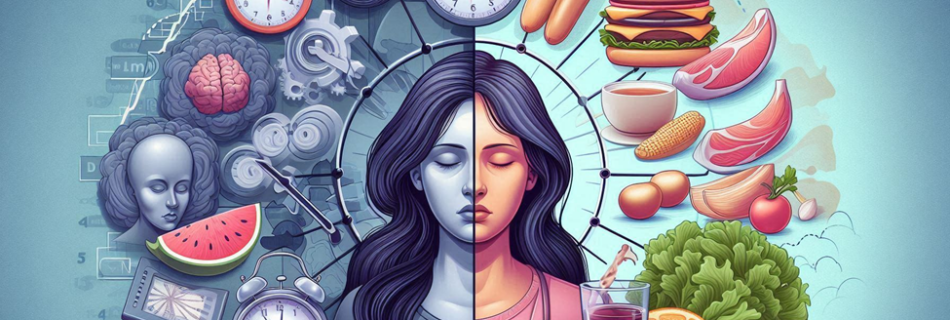
1. Introduction Intermittent fasting (IF) has gained widespread popularity as a dietary strategy for weight management, metabolic health, and longevity. Its primary principle involves alternating periods of eating and fasting, ranging from time-restricted feeding windows (e.g., 16:8) to alternate-day fasting or prolonged fasting periods. While IF has demonstrated significant benefits in metabolic regulation and cardio …

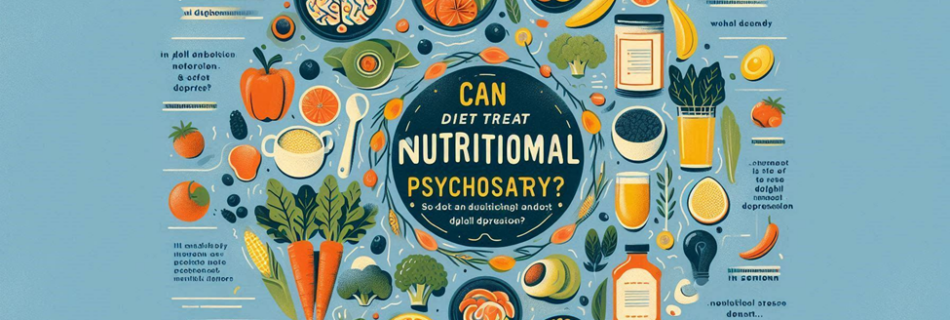
Nutritional Psychiatry: Can Diet Treat Mild Depression

Introduction Mild depression is a pervasive mental health challenge that affects millions worldwide, subtly eroding motivation, energy, and emotional well-being. Unlike moderate or severe depression, mild depression may not completely disrupt daily functioning, but it can still significantly compromise quality of life, productivity, and interpersonal relationships. Traditional interventions, including psychotherapy and pharmacological treatments, are effective …

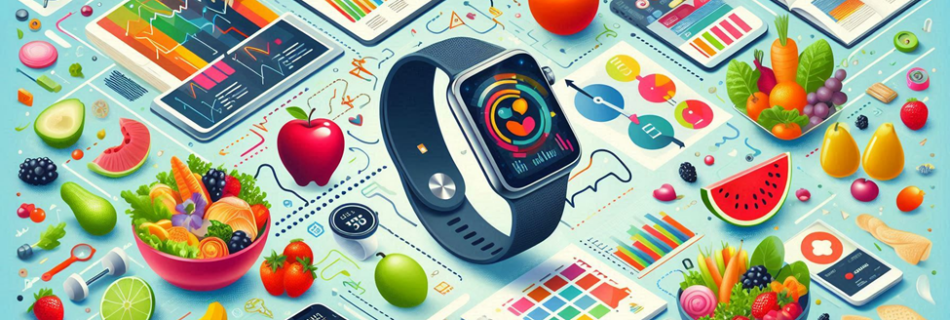
Digital Nutrition: How Wearable’s Are Changing Food Tracking

1. The Digital Nutrition Revolution In the early days of digital nutrition, food tracking was synonymous with manual calorie counting. Users logged their meals in apps, scanning barcodes and estimating portion sizes. While these tools provided structure, they were time-consuming and often inaccurate. Fast forward to the 2020s and beyond — a new paradigm has …

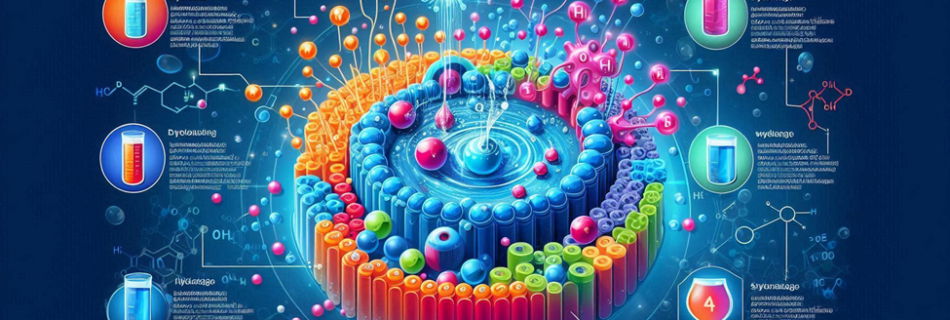
Hydration at the Cellular Level: When Water Meets Electrolytes

1. Introduction For decades, hydration has been reduced to a simple equation: drink eight glasses of water a day. Yet, modern physiology reveals that true hydration is far more intricate than water intake alone. At the heart of human health lies cellular hydration—the precise balance between water and electrolytes that governs the flow of energy, …

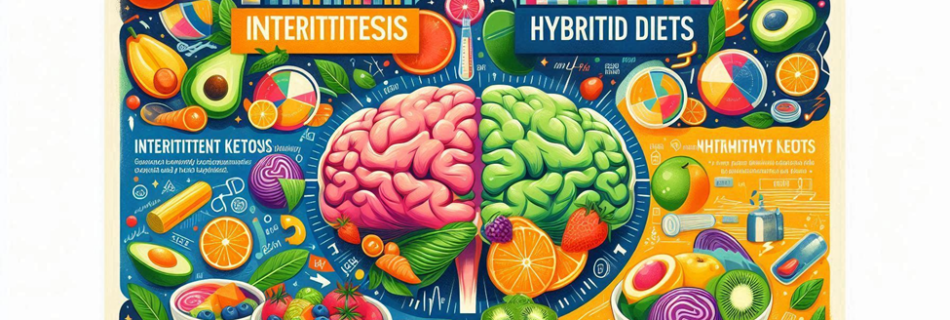
Intermittent Ketosis: Hybrid Diets for Brain and Body

1. Introduction: The Metabolic Renaissance In recent years, nutrition science has entered a transformative phase—one that moves beyond the simplistic dichotomy of “low-crab” versus “high-crab.” The focus has shifted toward metabolic harmony, where flexibility and rhythmic adaptation take precedence over rigid dietary dogmas. Within this paradigm, intermittent ketosis emerges as a sophisticated nutritional model—one that …

Regenerative Eating: Supporting Soil, Planet, and Self

1. Introduction: A New Paradigm for Eating Regenerative eating is more than a dietary choice — it is an ecological philosophy that redefines how humans relate to food, soil, and the living systems that sustain life. At its core, this movement transcends sustainability; it seeks not merely to maintain the Earth’s resources but to actively …

Circadian Rhythm Disruption and Weight Gain

1. The Biological Clock: Metabolism’s Hidden Timekeeper Every cell in the human body operates under a 24-hour clock—a circadian rhythm that regulates hormone secretion, energy metabolism, sleep-wake cycles, and even how nutrients are processed. This internal timing system, orchestrated by the suprachiasmatic nucleus (SCN) in the hypothalamus, synchronizes with external cues such as light, temperature, …

Immune Modulation through Fermented Foods

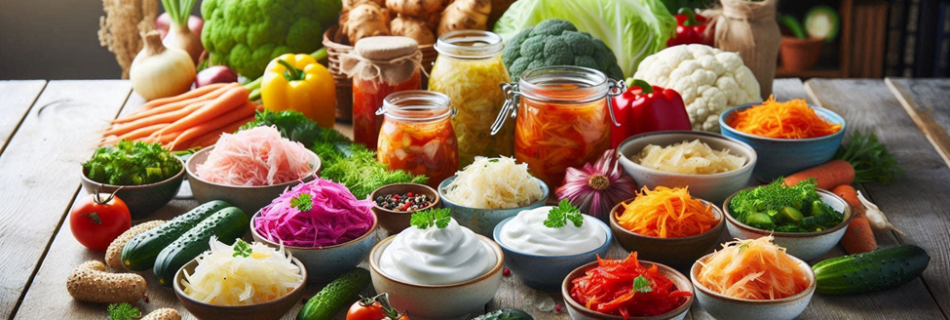
1. The Ancient Link between Fermentation and Immunity Fermentation is one of the oldest biotechnological practices known to humankind. Long before the advent of refrigeration, fermentation served as a method of food preservation — but its health effects extend far beyond storage. Ancient cultures from Korea to the Mediterranean recognized that fermented foods not only …

Robotic Timing: When and How to Take for Maximum Benefit

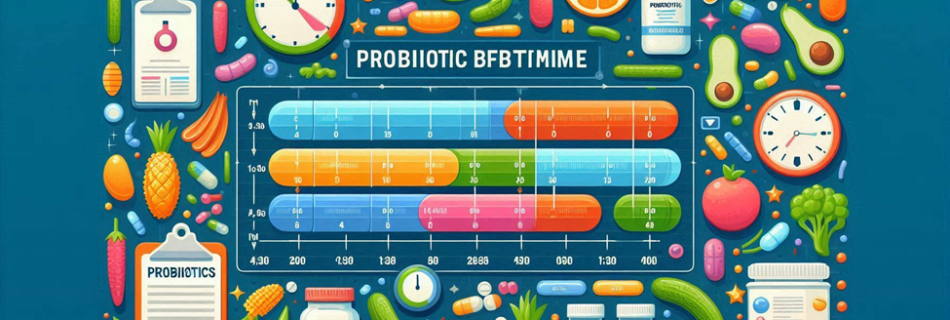
1. Introduction: The Microbial Clock Within The human gut is a living ecosystem, a dynamic metropolis inhabited by trillions of microorganisms that shape nearly every aspect of human health—from digestion and nutrient absorption to immune defense, mood balance, and metabolic regulation. Within this intricate environment, robotics—lives beneficial bacteria and yeasts—play a critical role in maintaining …

Short-Chain Fatty Acids: Hidden Keys to Longevity

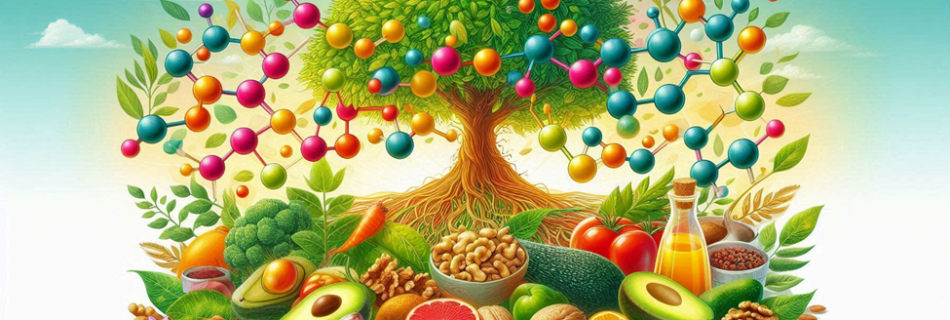
1. Introduction Longevity has long been portrayed as a quest for rare super foods, genetic secrets, or molecular elixirs. Yet, some of the most potent drivers of vitality and lifespan are not found in exotic supplements but are produced within the human gut—microscopic compounds known as short-chain fatty acids (SCFAs). These metabolites, primarily acetate, propionate, …