Pigmentation Pathways: Foods That Influence Melanin Production

1. Introduction: The Biology of Skin Pigmentation Skin pigmentation is a highly complex and evolutionarily conserved trait, serving multiple physiological functions including photo protection, UV defense, thermoregulation, and social signaling. At the biochemical core of pigmentation lies melanin, a heterogeneous biopolymer produced by melanocytes located in the basal layer of the epidermis. Melanin primarily exists …

Sebum Engineering: Nutrients That Change Sebum Fatty Acid Profiles

Introduction Sebum, the lipid-rich secretion produced by sebaceous glands, is often primarily associated with acne, oily skin, and superficial cosmetic concerns. However, its physiological role extends far beyond aesthetics, functioning as a dynamic bioactive interface between the skin, systemic metabolism, and the micro biome. Composed of a complex mixture of triglycerides, wax esters, squalling, free …

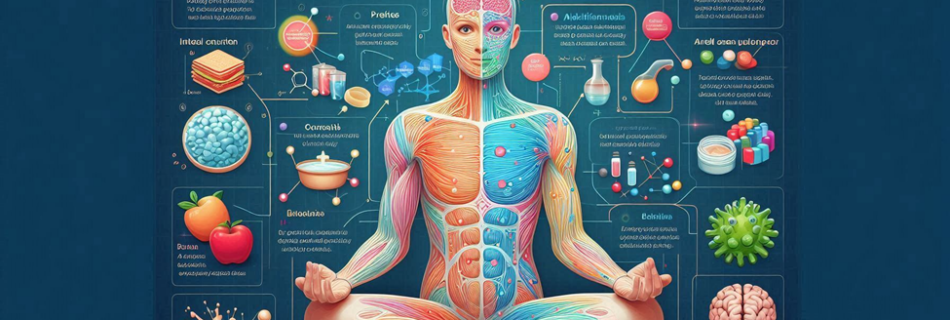
THE BIOENERGETICS PLATE: DESIGNING MEALS THAT OPTIMIZE ATP PRODUCTION

INTRODUCTION Energy is the universal currency of life, and adenosine triphosphate—ATP—is the form in which almost every cell of the body stores, transfers, and spends that energy. Whether a neuron is firing, a muscle fiber is contracting, a hepatocyte is performing detoxification, or an immune cell is mounting a defense, ATP is the fuel that …

Food-Based Micro biome Dermatology: How Periodic Fibers Shape the Skin Ecosystem

Introduction Over the last decade, dermatology has undergone a paradigm shift. Once dominated by topical treatments, the field is now embracing a more systemic view: the skin is not merely a protective shield but a dynamic ecosystem influenced by dietary signals, microbial metabolites, immune pathways, and metabolic programming. Among the most powerful yet under recognized …

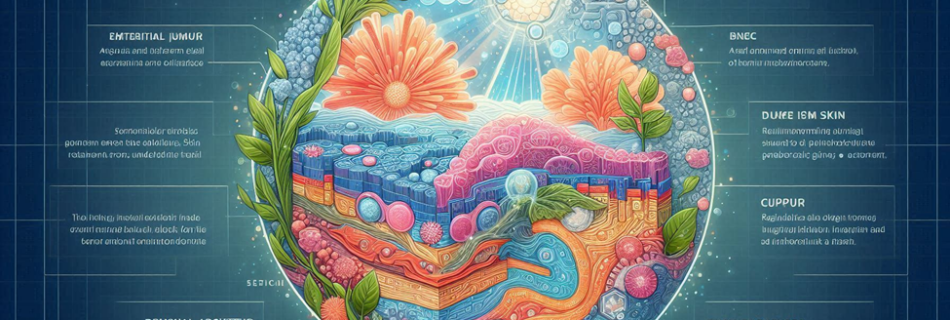
Mineral Dermal Architecture: How Zinc, Magnesium, and Copper Rebuild the Skin Barrier

Introduction: The Forgotten Architecture beneath the Skin Minerals are often treated as secondary nutrients—supportive, passive, background players. Yet within the skin barrier, they are architectural molecules, structural engineers shaping lipid organization, creamed synthesis, collagen cross-linking, keratinocyte turnover, microbial balance, barrier tightness, and antioxidant defense. The skin barrier—especially the stratum cornea and its lipid-protein scaffolding—relies heavily …

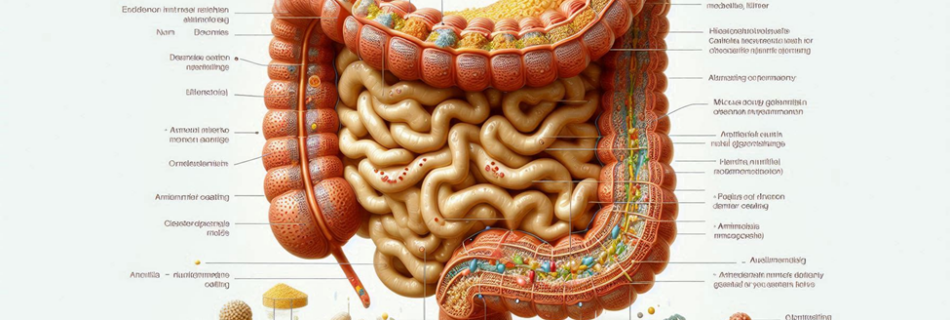
Mucus Layer Nutrition: Amino Acids and Minerals That Build GI Barrier Coating

INTRODUCTION The gastrointestinal (GI) tract is a highly specialized and dynamic organ system, orchestrated to achieve multiple essential functions including nutrient absorption, immune surveillance, and robust barrier defense. Central to these functions is the mucus layer, a continuous, multifunctional coating that lines the intestinal epithelium and acts as the first line of defense against mechanical, …

The Neuron-Skin Axis: How Diet, Stress Chemistry, and Neural Peptides Influence Breakouts

INTRODUCTION: THE SKIN AS A NEUROBIOLOGICAL ORGAN The skin is not merely a passive physical barrier; it is an active neurobiological interface that senses, communicates, and responds to internal and external signals. Modern dermatology recognizes the skin as a peripheral extension of the central nervous system (CNS), richly interconnected through neuropeptides, immune mediators, and hormonal …

Dietary Polyamines and Gut Barrier Longevity: Mechanistic Insights

Introduction Polyamines—primarily putrescence, sperm dine, and serine—have re-emerged as potent nutritional modulators of intestinal integrity, cellular resilience, immune equilibrium, and healthy aging. Once considered merely metabolic by-products, polyamines are now recognized as bioactive longevity factors that operate at the crossroads of metabolism, microbial ecology, epithelial renewal, and host defense. Their influence extends across the gut …

Hormonal Fluctuations and Micro biome-Mediated Barrier Integrity

Introduction The gut barrier is a dynamic, multi-layered system that serves as the frontline between the external environment and the body’s internal milieu. Its integrity is essential for nutrient absorption, immune tolerance, microbial symbiosis, and systemic health. Barrier dysfunction is implicated in a wide array of conditions, including inflammatory bowel disease, metabolic disorders, autoimmune diseases, …

Targeted Micro biome Nutrition for Autoimmune Risk Reduction

1. Introduction The human micro biome—the vast community of microorganisms residing in the gastrointestinal tract, skin, and mucosal surfaces—plays an essential role in regulating immune function. Emerging research has highlighted the bidirectional relationship between the micro biome and autoimmune diseases, including conditions such as type 1 diabetes, rheumatoid arthritis, multiple sclerosis, and inflammatory bowel disease. …