The Enteric Memory Theory: Does the Gut Learn From Food Exposure

1. Introduction The concept of memory is traditionally associated with the brain and cognitive processes; however, recent research suggests that the gut itself possesses a form of adaptive memory. Termed the enteric memory theory, this concept posits that the gastrointestinal tract can “remember” prior exposures to specific foods, nutrients, or microbial stimuli and respond differently …

Hidden Nutrient Depletions Caused by Modern Diets

1. Introduction: The Paradox of Plenty The 21st century has created a paradox — a world where food is abundant but nutrition is silently impoverished. Shelves overflow with convenience meals, fortified cereals, and energy drinks promising vitality, yet the global population suffers from rising rates of fatigue, inflammation, anxiety, and metabolic disease. This contradiction is …

Metabolic Flexibility: How to Train Your Body to Burn Fat and Glucose Efficiently

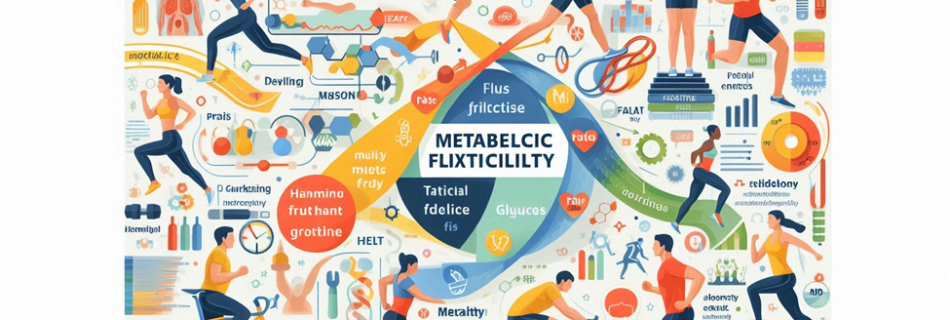
1. Introduction: The Metabolic Code of Adaptability Metabolic flexibility is the body’s ability to seamlessly switch between fuel sources — primarily carbohydrates and fats — depending on energy demand, dietary input, and hormonal cues.It represents metabolic intelligence — a hallmark of optimal health, performance, and longevity. In a flexible metabolism, cells sense whether glucose or …

Nutrient Timing: When to Eat for Peak Metabolic Performance

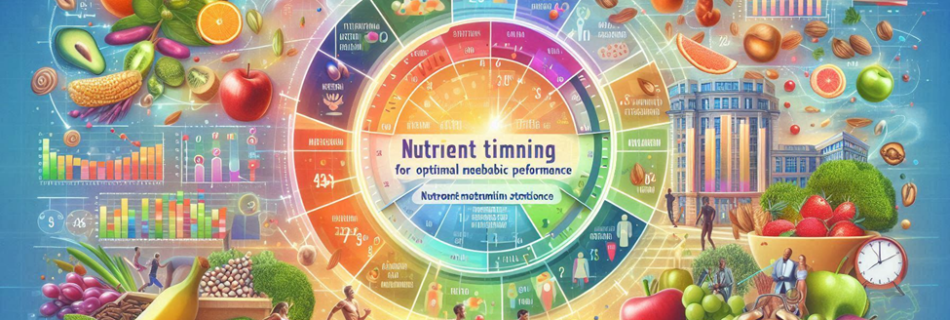
Introduction: The Clock within Metabolism Nutrition is no longer just about what or how much I eat—it’s about when we eat. The body’s metabolic machinery is orchestrated by a network of internal clocks that determine how efficiently we process carbohydrates, fats, and proteins throughout the day. Nutrient timing recognizes this biological rhythm and leverages it …

The Science of Satiety: Nutrient Density vs. Calorie Restriction

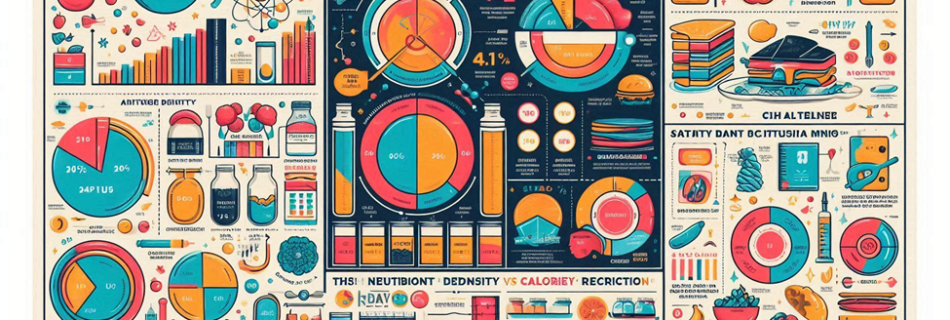
1. Introduction: The Hunger Paradox Hunger is not simply the body’s signal for food — it’s a biochemical symphony orchestrated by hormones, neural feedback, nutrient sensors, and even emotional cues. Yet modern nutrition debates often reduce this complexity to a single number: calories. For decades, calorie restriction has been upheld as the gold standard for …

Dopamine Deficiency Diet: Eating for Motivation and Mental Drive

1. Introduction Motivation, focus, and goal-directed behavior are fundamental components of human functioning, and at the petrochemical level, dopamine serves as the principal driver. Often referred to as the “reward neurotransmitter,” dopamine orchestrates neural circuits underlying pleasure, reinforcement learning, attention, and executive functioning. A deficiency or deregulation in dopaminergic signaling manifests as diminished motivation, apathy, …

Muscle Protein Synthesis: How Much Protein Do You Really Need

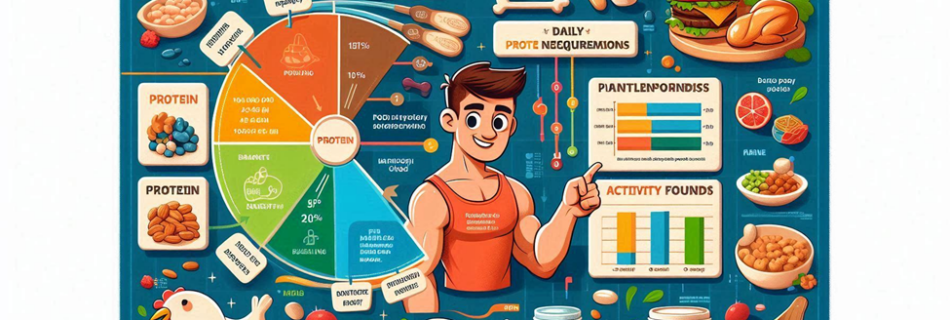
Introduction: The Protein Paradox Protein has long held a near-mythic status in the world of nutrition. To the average person, it is the cornerstone of muscle tone and overall body composition; to the athlete, it serves as the foundational building block of strength, power, and recovery; and to the aging adult, it acts as a …

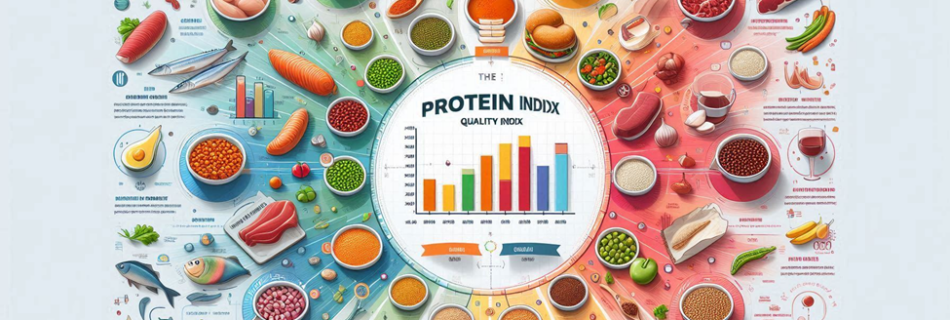
Protein Quality Index: Comparing Animal vs. Plant-Based Sources

1. Introduction In nutrition, few macronutrients are as debated and misunderstood as protein. For decades, the discourse revolved around how much protein one should consume daily — grams per kilogram, percentages of total calories, or meal-based targets. Yet, emerging nutritional science has revealed that quality may be more determinant of long-term health, muscle retention, and …

Blood Sugar Balance and Anxiety Control: A Comprehensive Guide

The human body is a complex network of physiological and biochemical systems, where subtle imbalances can manifest in profound ways. Among these, the relationship between blood sugar regulation and anxiety is particularly compelling. While anxiety is often approached primarily as a mental or emotional concern, emerging research underscores the significance of metabolic health — particularly …

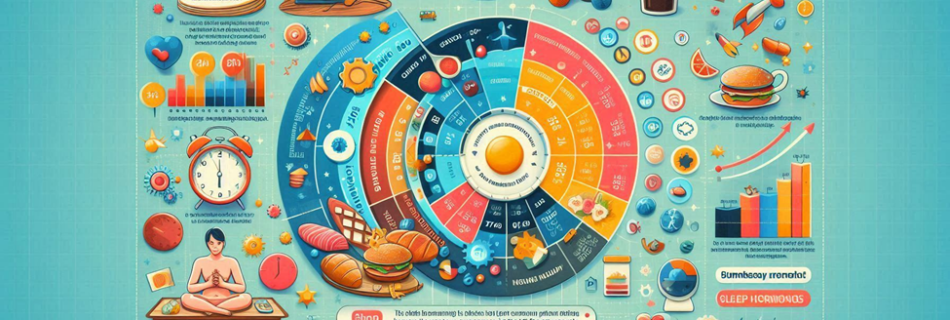
Breakfast Timing and Sleep Hormone Regulation: A Comprehensive Review

The complex interplay between meal timing—particularly breakfast—and the regulation of sleep-related hormones has emerged as a significant area of interest in nutritional science, chronobiology, and sleep medicine. Sleep and nutrition are intimately connected, forming a bidirectional network in which metabolic status can profoundly influence sleep quality, while sleep patterns, in turn, shape energy metabolism, appetite …