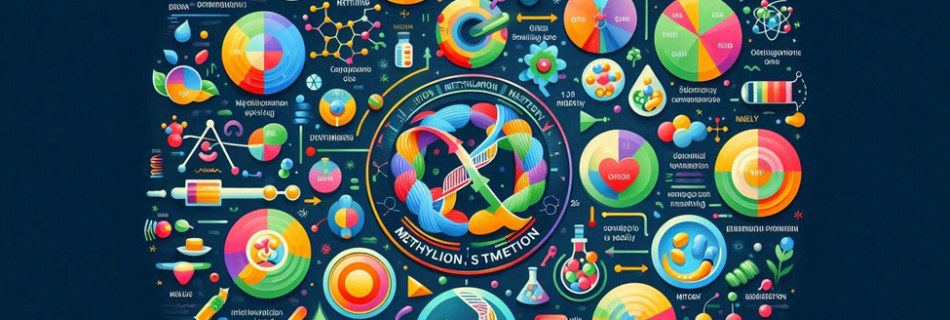
Methylation Mastery: Nutrients That Switch Genes On and Off

Introduction: The Epigenetic Symphony Methylation is a biochemical process central to human health, influencing gene expression without altering the underlying DNA sequence. Often described as a “switch” that can turn genes on or off, methylation plays a critical role in numerous physiological systems, including detoxification, neurotransmitter production, cardiovascular function, immune modulation, and DNA repair. Deregulation …

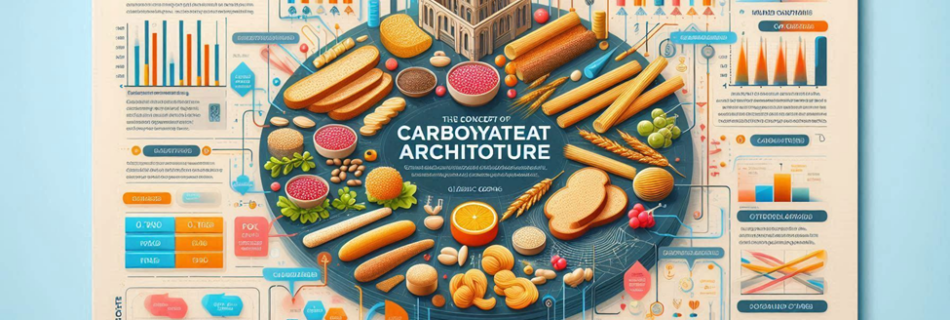
Carbohydrate Architecture: Starches, Resistant Starches & Glycolic Coding

Introduction Carbohydrates have long been simplistically categorized as “sugar” or “starch,” often reduced to their caloric content. However, modern nutritional science and molecular metabolism reveal a far more complex picture: carbohydrates are not merely fuel—they are highly structured metabolic signals. The architecture of a carbohydrate—its chemical composition, chain length, branching, and resistance to digestion—dictates how …

The Food Signaling Theory: How Nutrients Act like Hormones in the Body

Introduction: Food as Information, Not Just Fuel For decades, nutrition science revolved around a simple idea: food is energy. Calories in, calories out. But modern biochemistry, endocrinology, and systems biology have revealed a more complex truth—food is not just fuel, but information. Every bite you eat triggers a cascade of biochemical signals, much like hormones. …

Probotic Timing: When and How to Take for Maximum Benefit

Introduction In recent years, robotics has shifted from niche supplements to mainstream wellness essentials. They are marketed as the cornerstone of gut health, immunity, and even mental well-being. Yet, one of the most overlooked questions in robotic science is not which strain to take but when to take it. Timing—whether relative to meals, the time …

Recovery Nutrition: What to Eat in the First 30 Minutes Post-Workout

Introduction: The Critical Window of Recovery The 30 minutes following a workout represents a unique metabolic and physiological window, often referred to as the “anabolic window” or “post-exercise recovery window.” During this period, the body is particularly receptive to nutrients, hormonal signaling is optimized for repair, and metabolic pathways are primed for restoration. Proper nutrition …

Seed Cycling: Ancient Ritual or Modern Science

1. Introduction: The Resurgence of Seed-Based Hormonal Health In recent years, seed cycling has emerged as a popular natural approach aimed at supporting female hormonal balance, enhancing menstrual regularity, and alleviating menopausal symptoms. This practice involves the strategic consumption of particular seeds—most commonly flax, pumpkin, sesame, and sunflower seeds—timed to correspond with different phases of …

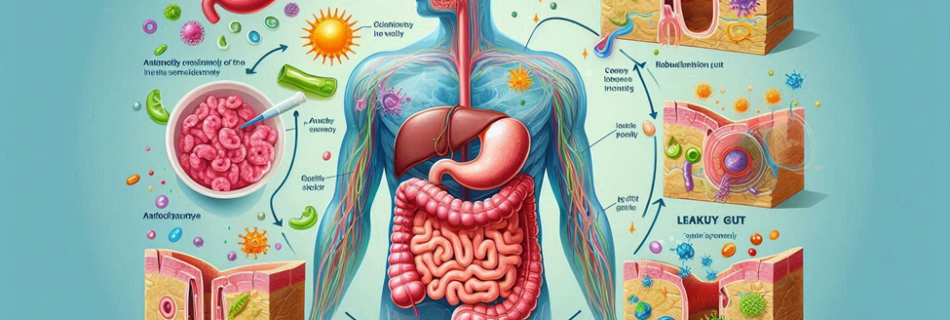
Autoimmunity and Leaky Gut: Rebuilding the Intestinal Wall

Introduction Autoimmune diseases represent one of modern medicine’s most intricate puzzles—conditions where the immune system, designed to defend, begins to attack the body’s own tissues. Over 80 autoimmune conditions have been identified, including rheumatoid arthritis, lupus, Hashimoto’s thyroiditis, celiac disease, and type 1 diabetes. While each affects different organs, they share one fundamental feature: a …

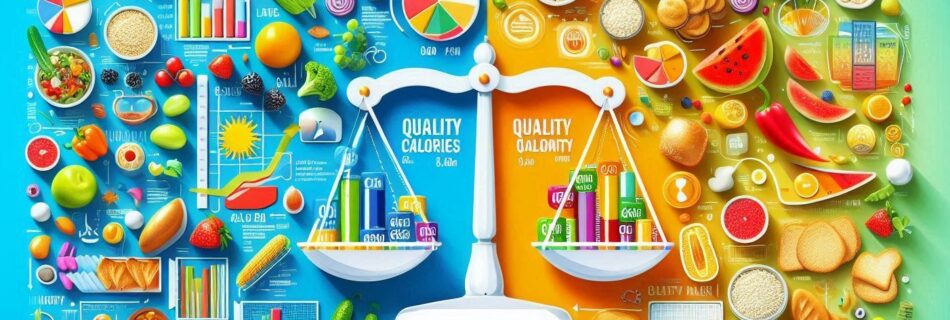
The Truth About Calories: Quality vs. Quantity

For decades, the cornerstone of weight management has been enshrined in a seemingly simple equation: calories in versus calories out. This model posits that if you consume more calories than your body expends, you will gain weight; consume fewer, and you will lose it. In its purest, thermodynamic sense, this principle is undeniably true. Energy …

Hydration 101: How Much Water Do You Really Need?

Water is the essence of life. It constitutes about 60% of the adult human body, playing a critical role in every physiological process, from regulating temperature and lubricating joints to flushing waste and transporting nutrients. Despite its paramount importance, the question of how much water we actually need to drink each day remains shrouded in …

Travel and Digestive Health: Packing Portable Fiber Options

Travel, whether short or long-distance, introduces numerous variables that can significantly affect digestive health. These disruptions often stem from four primary factors: altered routines, dietary shifts, dehydration, and stress. Each of these can individually impact gut function, but combined, they create a perfect environment for gastrointestinal discomfort. First, altered daily routines—such as different sleep schedules, …