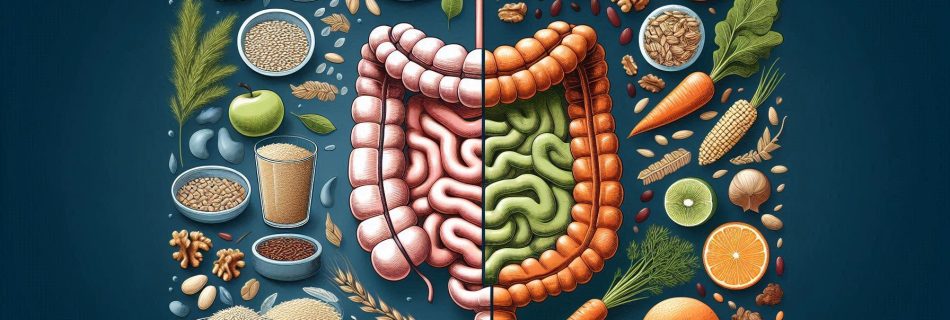
How to Gradually Increase Fiber in Your Diet without GI Distress

Fiber is often thought of as little more than “roughage”—the part of plant foods that our bodies can’t digest. But in reality, dietary fiber plays a far more powerful and multifaceted role in maintaining and enhancing health. It is a crucial component of a balanced diet, supporting everything from digestive regularity to cardiovascular health, metabolic …

Dietary Fiber and Cholesterol: A Digestive Perspective

Cardiovascular disease remains a leading cause of mortality worldwide, with dyslipidemia—particularly elevated serum cholesterol—being a central modifiable risk factor. In the complex network of nutritional interventions aimed at managing cholesterol levels, dietary fiber emerges as a cornerstone. This article presents an exhaustive review of how dietary fiber interacts with cholesterol metabolism through digestive processes. We …

Soluble vs. Insoluble Fiber: Understanding Their Unique Roles in Digestive Health

In the realm of nutrition and digestive wellness, few components are as crucial—and as misunderstood—as dietary fiber. Long recognized for its role in promoting bowel regularity, fiber plays a far more complex and impactful part in our overall health than most realize. Not only does it contribute to a healthy gut, but it also influences …

Is Too Much Fiber Bad for You? Debunking Common Myths

We’ve all heard the advice countless times: “Eat more fiber.” Whether it’s from doctors, nutritionists, or food packaging, fiber has long been praised as a dietary hero. It’s associated with a multitude of health benefits—improved digestion, lower cholesterol, stable blood sugar levels, and even weight loss. In a world filled with processed and refined foods, …

Top Indigenous Super foods and Their Health Benefits

Indigenous communities have long been the stewards of deeply nourishing and medicinal foods. Across continents and cultures, these traditional foods — often called “super foods” in modern wellness language — are packed with dense nutrients, antioxidants, adaptogens, and unique phytochemicals. Beyond physical nourishment, these foods carry cultural heritage, storytelling, seasonal wisdom, and a spiritual connection …

Brain-Boosting Super foods for Cognitive Longevity

In today’s fast-paced, hyper-connected world, maintaining optimal brain health is both a top priority and a significant challenge. With the constant influx of information, the demands of multitasking, and the pressures of daily life, our brains are under more strain than ever before. As we strive to remain sharp, focused, and mentally resilient, one of …

Functional Foods vs. Super foods: What’s the Difference?

In recent years, the terms functional foods and super foods have become household buzzwords across health blogs, nutrition labels, grocery aisles, and wellness influencers’ content. They are often used interchangeably, yet their definitions and implications in nutrition science are quite distinct. Understanding the difference between functional foods and super foods is essential for consumers who …

The Mediterranean and More: The Super foods of the Mediterranean Diet and Why They Work

The Mediterranean Diet, long praised by nutritionists, scientists, and health enthusiasts alike, is more than a diet—it is a cultural phenomenon and a sustainable lifestyle. Rooted in the culinary traditions of countries like Greece, Italy, and Spain, the Mediterranean way of eating places a strong emphasis on whole, natural foods. It’s not about deprivation or …

How to Read Nutrition Labels When Shopping for Super foods

What Are Super foods? The term “super foods” has gained popularity in recent years, often used in health marketing to highlight foods that offer exceptional nutritional benefits. While it isn’t a scientific classification, super foods are generally recognized as whole, unprocessed foods that are rich in nutrients and beneficial compounds, such as antioxidants, phytochemicals, vitamins, …

How Antioxidants in Super foods Help Fight Chronic Disease

Chronic diseases—such as cardiovascular disease (CVD), diabetes, cancer, and neurodegenerative disorders—represent the leading causes of death globally. According to the World Health Organization (WHO), these non-communicable diseases (NCDs) are responsible for over 70% of all deaths worldwide, accounting for approximately 41 million lives lost each year. These conditions impose a significant burden not only on …