Pre-Workout vs. Post-Workout Meals: What’s Scientifically Optimal?

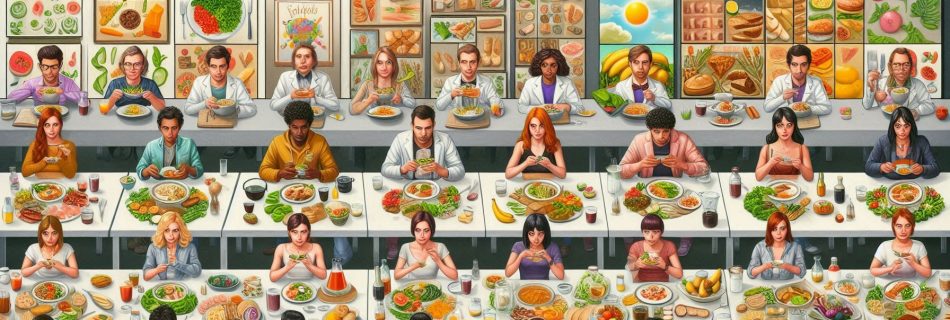
In the fitness and nutrition world, few debates are as enduring—and confusing—as whether pre-workout or post-workout meals are more important. Are you fueling your workout or feeding your recovery? Should you chug a protein shake before lifting, or wait until after your session ends? These questions are common, and their answers have implications not just …

Why One-Size-Fits-All Diets Fail—and What to Do Instead

 In the age of instant solutions and social media influencers, diet culture has become a multibillion-dollar industry pushing standardized meal plans, fad diets, and rigid eating patterns. From ketogenic to vegan to intermittent fasting, the promise is often the same: follow this plan and you’ll lose weight, gain energy, and feel healthier. But why do …

The Dark Side of Globalized Diets: Why Local Food May Be Healthier

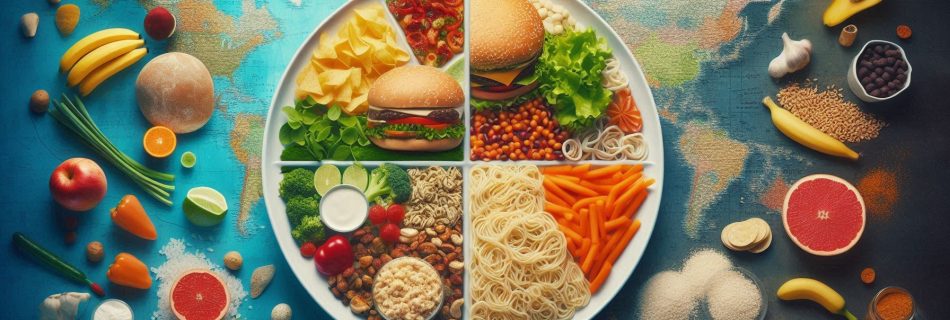
In the 21st century, globalization has reshaped nearly every aspect of daily life—from how we communicate and travel to how we eat. One of the most overlooked yet profound effects of globalization is its impact on our diets. While the ability to access food from every corner of the planet may seem like progress, there’s …

Diet & Body Clock: Aligning Meals with Your Phonotype

In the pursuit of optimal health, nutrition and sleep are often addressed separately. However, cutting-edge chrononutrition research reveals that when you eat may be just as vital as what you eat. Each of us operates according to a unique biological rhythm known as a phonotype, which governs sleep-wake cycles and energy levels. Aligning your meals …

Sea Moss, Lion’s Mane & Ashwagandha: Super food or Super Hype?

In today’s world of wellness trends and bio hacking obsessions, the term “super food” has become both a badge of honor and a marketing buzzword. From kale to acai berries to match, the shelves of health stores are loaded with products that promise miraculous benefits, often based on a few trending studies or celebrity endorsements. …

Ayurveda Nutrition: Ancient Wisdom Meets Modern Science

For thousands of years, Ayurveda—the ancient system of holistic medicine from India—has offered profound insights into nutrition and well-being. In recent decades, modern science has begun to validate and explore these time-tested practices. Ayurveda nutrition isn’t just about food—it’s a lifestyle, a preventive medicine, and a deeply personalized system tailored to the individual’s body type, …

Nutrigenomics 101: How Your Genes Affect Nutrient Needs

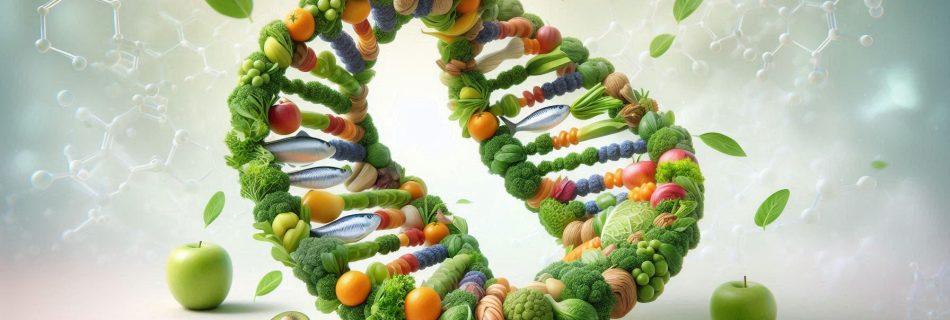
Imagine if your nutrition plan could be written by your DNA—customized not by a trendy diet, but by the genetic blueprint that makes you you. Welcome to the frontier of nutrigenomics: a science that explores how your genes influence your body’s nutritional needs and how the nutrients you consume affect your genes. The one-size-fits-all model …

Hormone-Sensitive Eating: Tailoring Nutrition for Thyroid, Estrogen & Cortisol

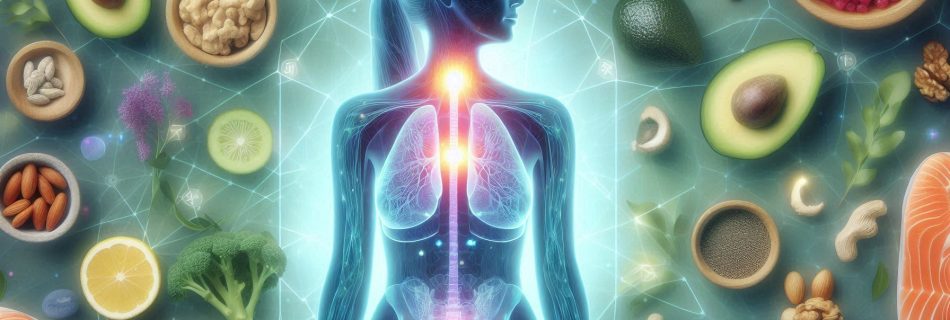
Hormones are biochemical messengers that regulate nearly every physiological process in the human body. From metabolism and mood to reproductive health and immune function, hormones exert profound effects that are often overlooked in conventional dietary approaches. As research advances, the importance of hormone-sensitive eating—an approach that aligns nutritional strategies with hormonal balance—is increasingly recognized as …

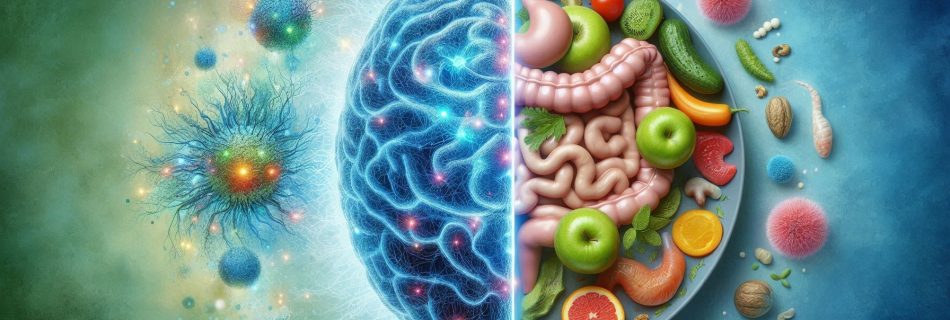
The Gut-Brain Axis Explained: Can Your Diet Influence Mental Health?

The intricate relationship between the gut and the brain, termed the gut-brain axis, has emerged as a pivotal concept in both neuroscience and nutritional science. This bidirectional communication system not only controls digestive processes but also plays a significant role in emotional and cognitive health. Modern research increasingly suggests that what we consume profoundly impacts …

The Environmental Impact of Modern Agricultural Practices on Nutrition

Modern agriculture has evolved over the past century, driven by the need to feed a growing global population. The methods used in industrial farming, characterized by large-scale monoculture, heavy reliance on chemical inputs such as fertilizers and pesticides, and the adoption of genetically modified organisms (GMOs), have significantly increased food production and efficiency. However, these …